475
Eutropius, bishop of Orange
Eutropius of Orange was bishop of Orange, France, during the 5th century and probably since 463, in succession to Justus.
Eutropius, bishop of Orange
Explore 14 historical events from 470–479.
Eutropius of Orange was bishop of Orange, France, during the 5th century and probably since 463, in succession to Justus.
Eutropius, bishop of Orange
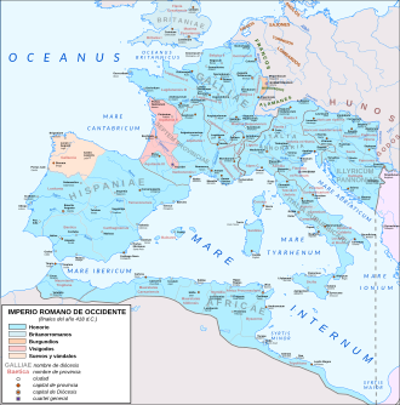
In modern historiography, the Western Roman Empire was the Roman Empire's western provinces collectively during any period in which they were administered separately from the easte…
Western Roman emperor Glycerius, who was not recognized by his Eastern counterpart Leo I, was forced to abdicate
Julius Nepos, or simply Nepos, ruled as Roman emperor of the West from 24 June 474 to 28 August 475. After losing power in Italy, Nepos retreated to his home province of Dalmatia, …
Julius Nepos forces Roman usurper Glycerius to abdicate the throne and proclaims himself Emperor of the Western Roman Em
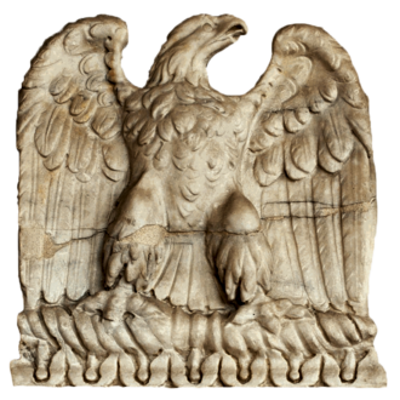
The Roman emperor was the ruler of the Roman Empire, starting with the granting of the title augustus to Octavian in 27 BC. The title of imperator, originally a military honorific,…
Western Roman Emperor Anthemius is killed by troops of the Roman Gothic general Ricimer.
Orestes was a Roman general and politician of Pannonian ancestry. He joined the court of Attila the Hun in his native Pannonia, in which he reached a high position, becoming one of…
Orestes, Roman general and politician

Ricimer was a Romanized Germanic general, who ruled the remaining territory of the Western Roman Empire from 456 after defeating Avitus, until his death in 472, with a brief interl…
Ricimer, Roman general and politician (born 405)
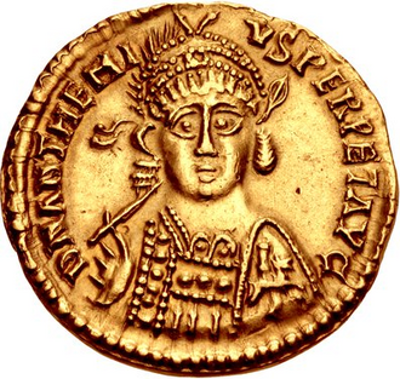
Procopius Anthemius was the Western Roman emperor from 467 to 472. Born in the Eastern Roman Empire, Anthemius quickly worked his way up the ranks. He married into the Theodosian d…
Anthemius, Roman emperor (born 420)
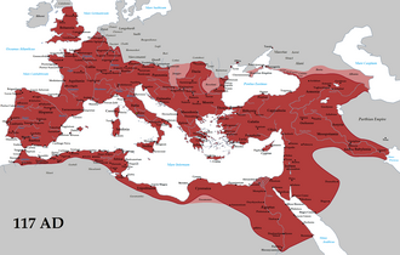
The Roman Empire was a state that dominated the Mediterranean and much of Europe, Western Asia, and North Africa during the classical period. The Roman Republic had previously conq…
The Roman general Orestes forces western Roman Emperor Julius Nepos to flee his capital city, Ravenna.
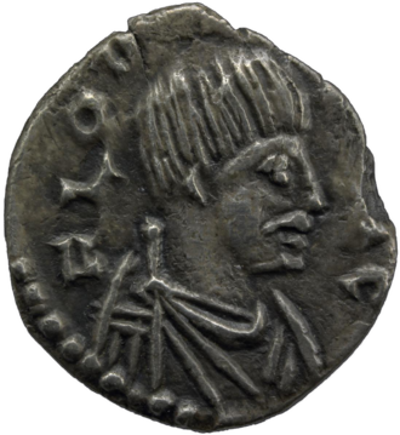
Odoacer, also spelled Odovacer or Odovacar, was a barbarian soldier and statesman from the Middle Danube who was an officer of the Roman army and deposed the Western Roman child em…
Odoacer, chieftain of the Germanic tribes (Herulic – Scirian foederati), is proclaimed rex Italiae ("King of Italy")…
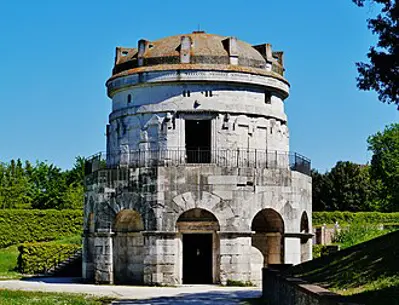
Orestes was a Roman general and politician of Pannonian ancestry. He joined the court of Attila the Hun in his native Pannonia, in which he reached a high position, becoming one of…
Orestes took control of Ravenna, the capital of the Western Roman Empire, forcing Emperor Julius Nepos to flee.
Orestes was a Roman general and politician of Pannonian ancestry. He joined the court of Attila the Hun in his native Pannonia, in which he reached a high position, becoming one of…
Orestes, Roman general and politician
Odoacer, also spelled Odovacer or Odovacar, was a barbarian soldier and statesman from the Middle Danube who was an officer of the Roman army and deposed the Western Roman child em…
Odoacer, chieftain of the Germanic tribes (Herulic – Scirian foederati), is proclaimed rex Italiae ("King of Italy")…
Romulus Augustus, nicknamed Augustulus, was Roman emperor of the West from 31 October 475 until 4 September 476. Romulus was placed on the imperial throne while still a minor by hi…
Romulus Augustulus is deposed when Odoacer proclaims himself "King of Italy", thus ending the Western Roman Empire.
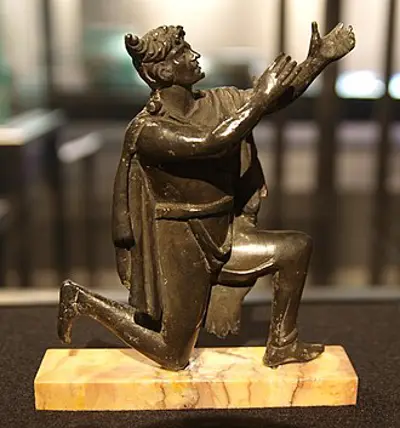
The Germanic peoples were tribal groups who lived in Northern Europe during Classical antiquity and the Early Middle Ages. In modern scholarship, they typically include the Roman-e…
Germanic leader Odoacer captured Ravenna and deposed Emperor Romulus Augustus, marking the fall of the Western Roman…
Eutropius of Orange was bishop of Orange, France, during the 5th century and probably since 463, in succession to Justus.
Eutropius, bishop of Orange
The Roman Empire was a state that dominated the Mediterranean and much of Europe, Western Asia, and North Africa during the classical period. The Roman Republic had previously conq…
The Roman general Orestes forces western Roman Emperor Julius Nepos to flee his capital city, Ravenna.
Orestes was a Roman general and politician of Pannonian ancestry. He joined the court of Attila the Hun in his native Pannonia, in which he reached a high position, becoming one of…
Orestes took control of Ravenna, the capital of the Western Roman Empire, forcing Emperor Julius Nepos to flee.
Julius Nepos, or simply Nepos, ruled as Roman emperor of the West from 24 June 474 to 28 August 475. After losing power in Italy, Nepos retreated to his home province of Dalmatia, …
Julius Nepos forces Roman usurper Glycerius to abdicate the throne and proclaims himself Emperor of the Western Roman Em
In modern historiography, the Western Roman Empire was the Roman Empire's western provinces collectively during any period in which they were administered separately from the easte…
Western Roman emperor Glycerius, who was not recognized by his Eastern counterpart Leo I, was forced to abdicate
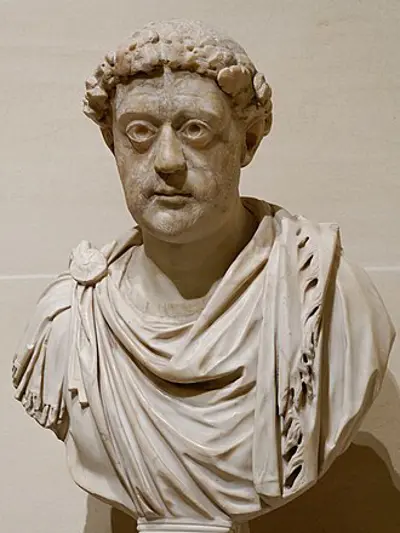
Leo I, also known as the Thracian, was Eastern Roman emperor from 457 to 474. He was a native of Dacia Aureliana near historic Thrace. He is sometimes surnamed with the epithet the…
Emperor Leo I acclaims his grandson Leo II as Caesar of the East Roman Empire.
The Roman emperor was the ruler of the Roman Empire, starting with the granting of the title augustus to Octavian in 27 BC. The title of imperator, originally a military honorific,…
Western Roman Emperor Anthemius is killed by troops of the Roman Gothic general Ricimer.
Procopius Anthemius was the Western Roman emperor from 467 to 472. Born in the Eastern Roman Empire, Anthemius quickly worked his way up the ranks. He married into the Theodosian d…
Anthemius, Roman emperor (born 420)
Ricimer was a Romanized Germanic general, who ruled the remaining territory of the Western Roman Empire from 456 after defeating Avitus, until his death in 472, with a brief interl…
Ricimer, Roman general and politician (born 405)
Gennadius of Constantinople was the patriarch of Constantinople from August 458 until his death. Gennadius is known to have been a learned writer who followed the School of Antioch…
Gennadius I, patriarch of Constantinople