888
Xi Zong, Chinese emperor (born 862)
Year 888 (DCCCLXXXVIII) was a leap year starting on Monday of the Julian calendar.
Xi Zong, Chinese emperor (born 862)
Explore 22 historical events from 880–889.
Year 888 (DCCCLXXXVIII) was a leap year starting on Monday of the Julian calendar.
Xi Zong, Chinese emperor (born 862)
The Nea Ekklēsia was a church built by Byzantine Emperor Basil I the Macedonian in Constantinople between 876 and 880. It was the first monumental church built in the Byzantine cap…
The Nea Ekklesia church in Constantinople, on which many later cross-in-square Eastern Orthodox churches were based, was
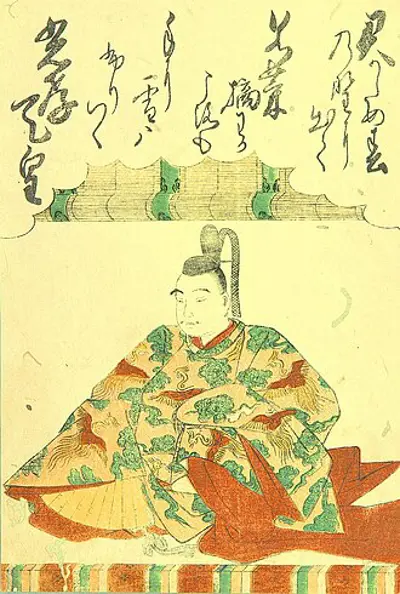
Emperor Kōkō was the 58th emperor of Japan, according to the traditional order of succession. Kōkō reigned from 884 to 887.
Kōkō, emperor of Japan (born 830)

Shi Jingcun (史敬存), known as Shi Jingsi (史敬思) in Chinese historiography likely for naming taboo reasons, was a minor general in imperial China under the Shatuo military leader Li Ke…
Shi Jingsi, general of the Tang Dynasty
The Nea Ekklēsia was a church built by Byzantine Emperor Basil I the Macedonian in Constantinople between 876 and 880. It was the first monumental church built in the Byzantine cap…
The Nea Ekklesia is inaugurated in Constantinople, setting the model for all later cross-in-square Orthodox churches
Pope Adrian III or Hadrian III was the bishop of Rome and leader of the Papal States from 17 May 884 to his death on 8 July 885. He served for little more than a year, during which…
Election of Pope Hadrian III following the death of Pope Marinus I earlier that month
Wang Chongrong, formally the Prince of Langye (瑯琊王), was a warlord of the late Chinese Tang dynasty who controlled Hezhong Circuit. He was instrumental in Tang's eventual defeat of…
Wang Chongrong, Chinese warlord
Pope Marinus I was the bishop of Rome and ruler of the Papal States from 882 until his death on 15 May 884. Controversially at the time, he was already a bishop when he became pope…
Marinus I, pope of the Catholic Church (born 830)
Yang Shili (楊師立) was a general of the Chinese Tang dynasty, who came to control Dongchuan Circuit as its military governor (jiedushi) due to his association with the powerful eunuc…
Yang Shili, general of the Tang Dynasty
Ariwara no Narihira was a Japanese courtier and waka poet of the early Heian period. He was named one of both the Six Poetic Geniuses and the Thirty-Six Poetic Geniuses, and one o…
Ariwara no Narihira, Japanese poet (born 825)

Year 888 (DCCCLXXXVIII) was a leap year starting on Monday of the Julian calendar.
Zhu Youzhen, emperor of Later Liang (died 923)
Year 888 (DCCCLXXXVIII) was a leap year starting on Monday of the Julian calendar.
Xi Zong, Chinese emperor (born 862)
Year 888 (DCCCLXXXVIII) was a leap year starting on Monday of the Julian calendar.
Rimbert, archbishop of Bremen (born 830)
Year 888 (DCCCLXXXVIII) was a leap year starting on Monday of the Julian calendar.
Æthelred, archbishop of Canterbury
Wang Chongrong, formally the Prince of Langye (瑯琊王), was a warlord of the late Chinese Tang dynasty who controlled Hezhong Circuit. He was instrumental in Tang's eventual defeat of…
Wang Chongrong, Chinese warlord
Emperor Kōkō was the 58th emperor of Japan, according to the traditional order of succession. Kōkō reigned from 884 to 887.
Kōkō, emperor of Japan (born 830)
Pietro I Candiano was the Doge of Venice from 17 April 887 until his death on 18 September 887.
Pietro I Candiano, doge of Venice (born 842)
Gao Pian, courtesy name Qianli (千里), formally the Prince of Bohai (渤海王), was a Chinese military general, poet, and politician of the Tang dynasty. He initially gained renown for de…
Gao Pian, general of the Tang Dynasty (born 821)
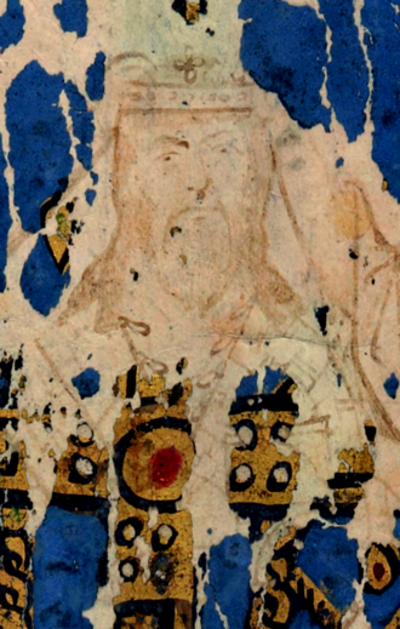
Basil I, nicknamed "the Macedonian", was Byzantine emperor from 867 to 886. Born to a peasant family in the theme of Macedonia, he rose to prominence in the imperial court after ga…
Basil I, Byzantine emperor (born 811)
Ragenold was the Count of Herbauges from 852 and Count of Maine and Margrave of Neustria from 878. His family is unidentified, but he may have been a son of Reginald of Herbauges.
Ragenold, margrave of Neustria
Pope Adrian III or Hadrian III was the bishop of Rome and leader of the Papal States from 17 May 884 to his death on 8 July 885. He served for little more than a year, during which…
Election of Pope Hadrian III following the death of Pope Marinus I earlier that month
Pope Marinus I was the bishop of Rome and ruler of the Papal States from 882 until his death on 15 May 884. Controversially at the time, he was already a bishop when he became pope…
Marinus I, pope of the Catholic Church (born 830)
Shi Jingcun (史敬存), known as Shi Jingsi (史敬思) in Chinese historiography likely for naming taboo reasons, was a minor general in imperial China under the Shatuo military leader Li Ke…
Shi Jingsi, general of the Tang Dynasty
Yang Shili (楊師立) was a general of the Chinese Tang dynasty, who came to control Dongchuan Circuit as its military governor (jiedushi) due to his association with the powerful eunuc…
Yang Shili, general of the Tang Dynasty
Huang Chao was a wealthy Chinese salt trader and soldier who is primarily known for instigating the Huang Chao Rebellion, which severely weakened the Tang dynasty. In 881, he procl…
Huang Chao, Chinese rebel leader (born 835)
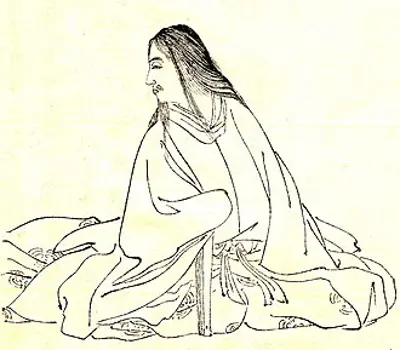
Prince Tsunesada was a Japanese prince of the early Heian period. He was the second son of Emperor Junna. He was also known as Prince Teishi (亭子親王), and by his Buddhist name of Gō…
Tsunesada, Japanese prince (born 825)
Kesta Styppiotes or Stypeiotes was briefly the Domestic of the Schools of the Byzantine Empire in ca. 883.
Kesta Styppiotes, Byzantine general
Louis III was King of West Francia from 879 until his death in 882. Despite questions of his legitimacy and challenges against his ascension to the monarchy, Louis would prove to b…
Louis III, Frankish king (born 863)
The Battle of Saucourt was part of the Viking invasions of West Francia and occurred between forces of Vikings and the troops of Kings of West Francia, Louis III of France and his …
Battle of Saucourt-en-Vimeu: Louis III of France defeats the Vikings, an event celebrated in the poem Ludwigslied.
The Nea Ekklēsia was a church built by Byzantine Emperor Basil I the Macedonian in Constantinople between 876 and 880. It was the first monumental church built in the Byzantine cap…
The Nea Ekklesia is inaugurated in Constantinople, setting the model for all later cross-in-square Orthodox churches
Ariwara no Narihira was a Japanese courtier and waka poet of the early Heian period. He was named one of both the Six Poetic Geniuses and the Thirty-Six Poetic Geniuses, and one o…
Ariwara no Narihira, Japanese poet (born 825)
The Nea Ekklēsia was a church built by Byzantine Emperor Basil I the Macedonian in Constantinople between 876 and 880. It was the first monumental church built in the Byzantine cap…
The Nea Ekklesia church in Constantinople, on which many later cross-in-square Eastern Orthodox churches were based, was