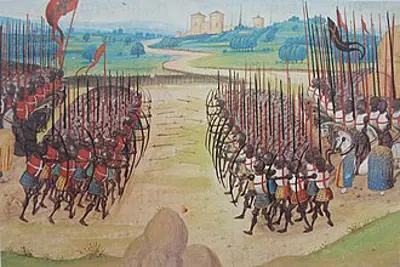
The Hundred Years' War was a series of conflicts between the kingdoms of England and France and a civil war in France during the late Middle Ages. It emerged from feudal disputes over the Duchy of Aquitaine and was triggered by a claim to the French throne made by Edward III of England. The war grew into a broader military, economic, and political struggle involving different factions from across Western Europe, fueled by emerging nationalism on both sides. The periodization of the war typically charts it as taking place over 116 years. However, it was an intermittent conflict which was frequently interrupted by external factors, such as the Black Death, and several years of truces.
Hundred Years' War: The English victory at the Battle of Auberoche marked a change in the military balance of power in Aquitaine, with the subsequent collapse of the French position.
On October 21, in the year 1345, Hundred Years' War: The English victory at the Battle of Auberoche marked a change in the military balance of power in Aquitaine, with the subsequent collapse of the French position. This event is recorded as a Selected Events event in the history of October 21, one of 453 recorded events on this date across all of history.
Key Facts
- This event took place on October 21, 1345 (AD era).
- It is categorised as a Selected Events event in recorded history.
- Referenced in 3 Wikipedia articles.
- Wikipedia source last updated on 18 October 2026.
On This Date in History 453
This article draws on content from Wikipedia, available under CC BY-SA 4.0.
More on October 21
1867
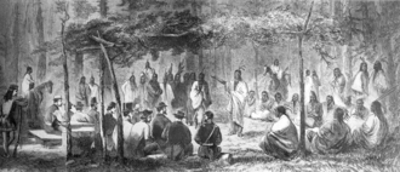
The first and second of three treaties were signed near Medicine Lodge, Kansas, between the United States federal…
The Medicine Lodge Treaty is the overall name for three treaties signed near Medicine Lodge, Kansas, between the Federal government of the United States and southern Plains Indian…
The first and second of three treaties were signed near Medicine Lodge, Kansas, between the United States federal…
1858
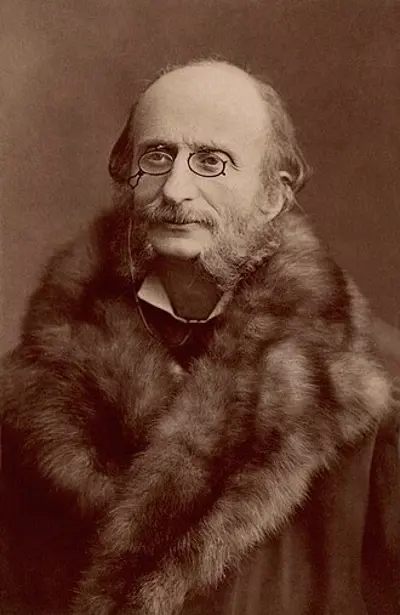
French composer Jacques Offenbach's operetta Orpheus in the Underworld, featuring the music most associated with the…
Jacques Offenbach was a German-born French composer, cellist and impresario. He is remembered for his nearly 100 operettas of the 1850s to the 1870s, and his uncompleted opera The…
French composer Jacques Offenbach's operetta Orpheus in the Underworld, featuring the music most associated with the…
1854
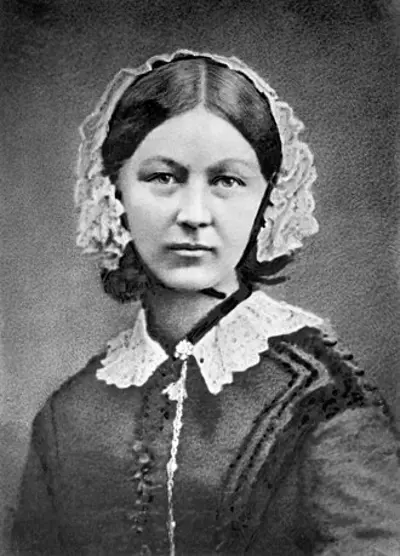
Florence Nightingale and a staff of 38 nurses and 15 nuns were sent to the Ottoman Empire to help treat wounded…
Florence Nightingale was an English social reformer, statistician and the founder of modern nursing. Nightingale came to prominence while serving as a manager and trainer of nurse…
Florence Nightingale and a staff of 38 nurses and 15 nuns were sent to the Ottoman Empire to help treat wounded…
1096
930 years ago
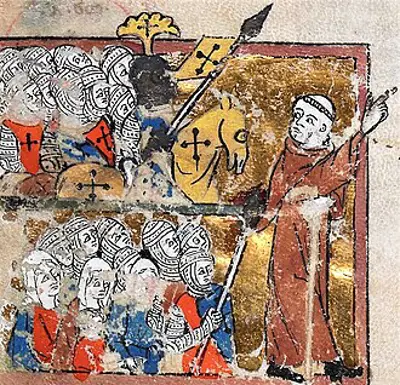
First Crusade: At the Battle of Civetot, the Seljuk forces of Kilij Arslan destroyed the army of the People's Crusade…
The First Crusade (1096–1099) was the first of a series of religious wars, or Crusades, which were initiated, supported and at times directed by the Latin Church in the Middle Age…
First Crusade: At the Battle of Civetot, the Seljuk forces of Kilij Arslan destroyed the army of the People's Crusade…
1994
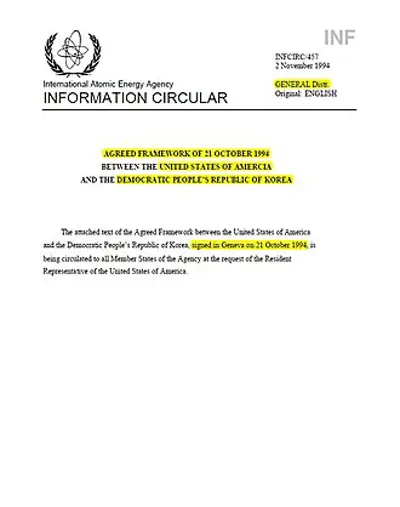
North Korea and the United States signed the Agreed Framework to limit the former's nuclear weapons program and to…
The Agreed Framework between the United States of America and the Democratic People's Republic of Korea (Korean: 북미제네바기본합의서) was signed on 21 October 1994, between North Korea (DP…
North Korea and the United States signed the Agreed Framework to limit the former's nuclear weapons program and to…
1994
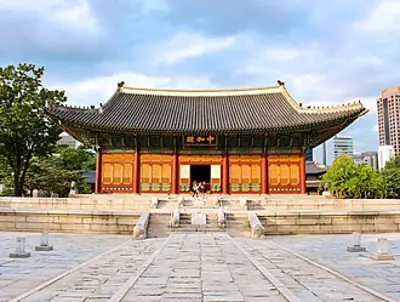
In Seoul, South Korea, 32 people were killed and 17 others injured when a span of the Seongsu Bridge collapsed…
Seoul, officially Seoul Special Metropolitan City, is the capital and largest city of South Korea, and the largest city in the whole of Korea. The broader Seoul Metropolitan Area,…
In Seoul, South Korea, 32 people were killed and 17 others injured when a span of the Seongsu Bridge collapsed…
Comments 0
Sign in to join the discussion.