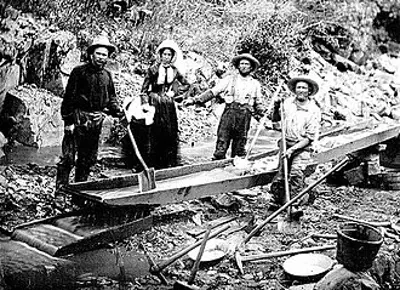
The California gold rush (1848–1855) was a gold rush in California, which began on January 24, 1848, when gold was found by James W. Marshall at Sutter's Mill in Coloma, California. The news of gold brought approximately 300,000 people from the rest of the United States and abroad to California, which had recently been conquered from Mexico. The sudden influx of gold into the money supply reinvigorated the American economy; the sudden population increase allowed California to grow rapidly into statehood in the Compromise of 1850. The gold rush had severe effects on Native Californians and accelerated the Native American population's decline from factors including disease, starvation, and according to certain sources, acts of unprovoked aggression.
California Gold Rush: The New York Herald breaks the news to the East Coast of the United States of the gold rush in California (although the rush started in January).
On August 19, in the year 1848, California Gold Rush: The New York Herald breaks the news to the East Coast of the United States of the gold rush in California (although the rush started in January). This event is recorded as a Historical Events event in the history of August 19, one of 410 recorded events on this date across all of history.
Key Facts
- This event took place on August 19, 1848 (AD era).
- It is categorised as a Historical Events event in recorded history.
- Referenced in 5 Wikipedia articles.
- The event is associated with a specific geographical location (see map below).
- Wikipedia source last updated on 22 June 2026.
On This Date in History 410
This article draws on content from Wikipedia, available under CC BY-SA 4.0.
More on August 19
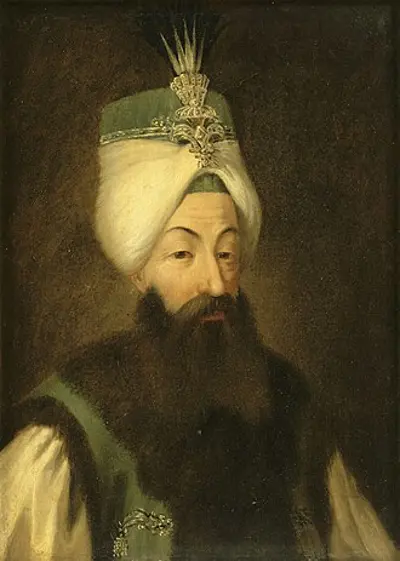
Sultan Abdul Hamid I declares war against the Russian Empire in an effort to regain territories lost in previous…
Abdülhamid I or Abdul Hamid I was the sultan of the Ottoman Empire from 1774 to 1789. A devout and pacifist sultan, he inherited a bankrupt empire and sought military reforms, inc…
Sultan Abdul Hamid I declares war against the Russian Empire in an effort to regain territories lost in previous…
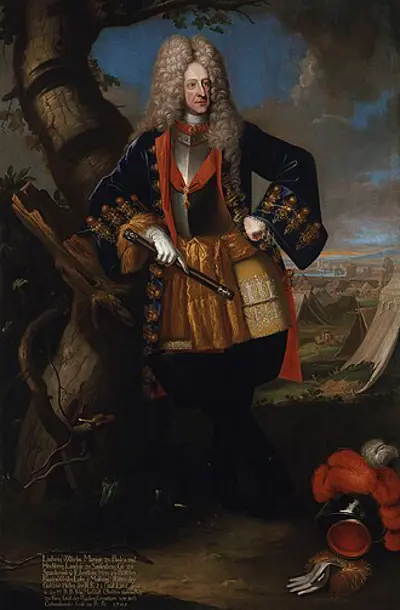
An Imperial army under Ludwig of Baden defeats the Ottomans in the battle of Slankamen.
Louis William, Margrave of Baden-Baden was the ruling Margrave of Baden-Baden in Germany, chief commander of the Imperial army and Reichsgeneralfeldmarschall of the Holy Roman Emp…
An Imperial army under Ludwig of Baden defeats the Ottomans in the battle of Slankamen.
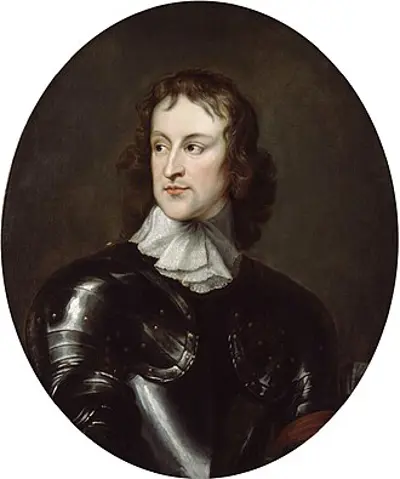
Parliamentarian forces under John Lambert defeat Royalist forces under George Booth in the battle of Winnington…
Major-General John Lambert was an English army officer and politician. Widely regarded as one of the most talented commanders of the era, he fought on the Parliamentarian side th…
Parliamentarian forces under John Lambert defeat Royalist forces under George Booth in the battle of Winnington…
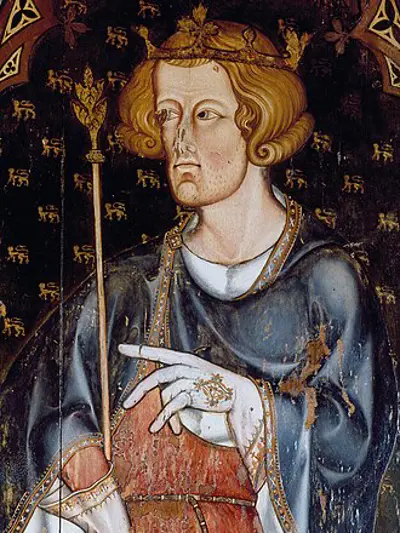
Coronation of Edward I of England.
Edward I, also known as Edward Longshanks and the Hammer of the Scots, was King of England from 1272 to 1307. Concurrently, he was Lord of Ireland, and from 1254 to 1306 ruled Gas…
Coronation of Edward I of England.

Byzantine Emperor Constantine VI is seized by supporters of his mother Irene, deposed and blinded.
The foundation of Constantinople in 330 AD marks the conventional start of the Byzantine Empire, which fell to the Ottoman Empire in 1453 AD. Only the emperors who were recognized…
Byzantine Emperor Constantine VI is seized by supporters of his mother Irene, deposed and blinded.

Tens of thousands of farmed non-native Atlantic salmon are accidentally released into the wild in Washington waters in…
The Atlantic salmon is a species of ray-finned fish in the family Salmonidae. It is the third largest of the Salmonidae, behind Siberian taimen and Pacific Chinook salmon, growing…
Tens of thousands of farmed non-native Atlantic salmon are accidentally released into the wild in Washington waters in…

Comments 0
Sign in to join the discussion.