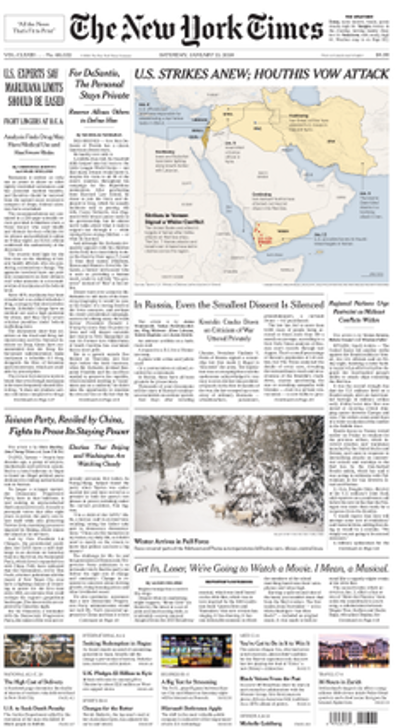
The New York Times (NYT) is a newspaper based in Manhattan, New York City. The New York Times covers domestic, national, and international news, and publishes opinion pieces and reviews. One of the longest-running newspapers in the United States, the Times serves as one of the country's newspapers of record. As of August 2025, The New York Times had 11.88 million total and 11.3 million online subscribers, both the highest numbers for any newspaper in the United States by a significant margin; the total also included 580,000 print subscribers. The New York Times is published by the New York Times Company. Since 1896, the company has been chaired by the Ochs-Sulzberger family. The current chairman and the paper's publisher is A. G. Sulzberger. The Times is headquartered at The New York Times Building in Midtown Manhattan.
The New York Times, the largest metropolitan newspaper in the United States, was founded.
On September 18, in the year 1851, The New York Times, the largest metropolitan newspaper in the United States, was founded. This event is recorded as a Selected Events event in the history of September 18, one of 476 recorded events on this date across all of history.
Key Facts
- This event took place on September 18, 1851 (AD era).
- It is categorised as a Selected Events event in recorded history.
- Referenced in 1 Wikipedia article.
- Wikipedia source last updated on 21 August 2026.
On This Date in History 476
This article draws on content from Wikipedia, available under CC BY-SA 4.0.
More on September 18
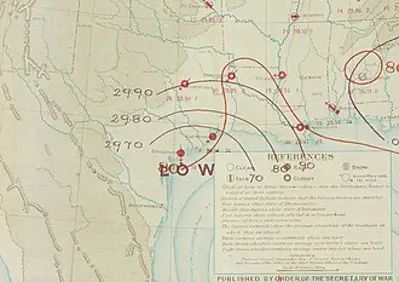
The Indianola hurricane dissipated over Mississippi after killing around eight hundred people in Texas.
The 1875 Indianola hurricane brought a devastating and deadly storm surge to the coast of Texas. The third known system of the 1875 Atlantic hurricane season, the storm was first …
The Indianola hurricane dissipated over Mississippi after killing around eight hundred people in Texas.
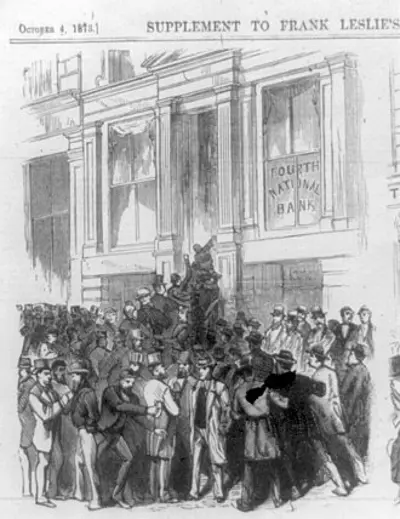
Panic of 1873: The American bank Jay Cooke & Company declared bankruptcy, setting off a chain reaction of bank failures.
The Panic of 1873 was a financial crisis that triggered an economic depression in Europe and North America that lasted from 1873 to 1877, continuing until 1879 in the French Third…
Panic of 1873: The American bank Jay Cooke & Company declared bankruptcy, setting off a chain reaction of bank failures.
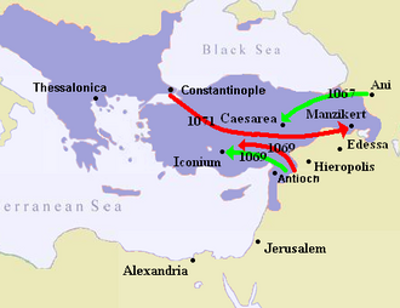
Byzantine–Seljuk wars: Byzantine forces defeated their Seljuk opponents in the flanks of the nocturnal Battle of…
The Byzantine–Seljuk wars were a series of conflicts in the Middle Ages between the Byzantine Empire and the Seljuk Empire. They shifted the balance of power in Asia Minor, Armeni…
Byzantine–Seljuk wars: Byzantine forces defeated their Seljuk opponents in the flanks of the nocturnal Battle of…
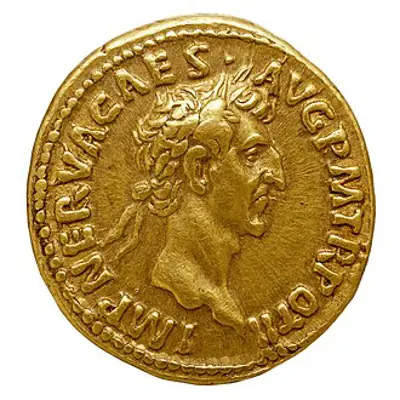
Nerva, the first of the "Five Good Emperors" of ancient Rome, came to power following the assassination of his…
AD 96 (XCVI) was a leap year starting on Friday of the Julian calendar. At the time, it was known as the Year of the Consulship of Valens and Vetus. The denomination AD 96 for thi…
Nerva, the first of the "Five Good Emperors" of ancient Rome, came to power following the assassination of his…
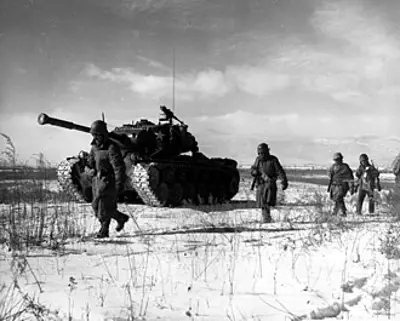
Korean War: The Korean People's Army retreated from the Battle of the Pusan Perimeter after six weeks of fighting,…
The Korean War was an armed conflict fought on the Korean Peninsula between North Korea and South Korea and their allies. North Korea was supported by China and the Soviet Union, …
Korean War: The Korean People's Army retreated from the Battle of the Pusan Perimeter after six weeks of fighting,…
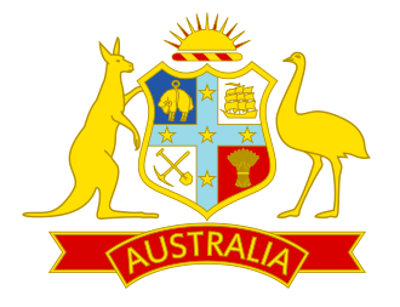
The Australian cricket team's Invincibles tour of England concluded; they had played 34 matches, including five Tests,…
The Australia men's national cricket team represents Australia in international cricket. Along with England, it is the joint oldest team in Test cricket history, playing and winni…
The Australian cricket team's Invincibles tour of England concluded; they had played 34 matches, including five Tests,…

Comments 0
Sign in to join the discussion.