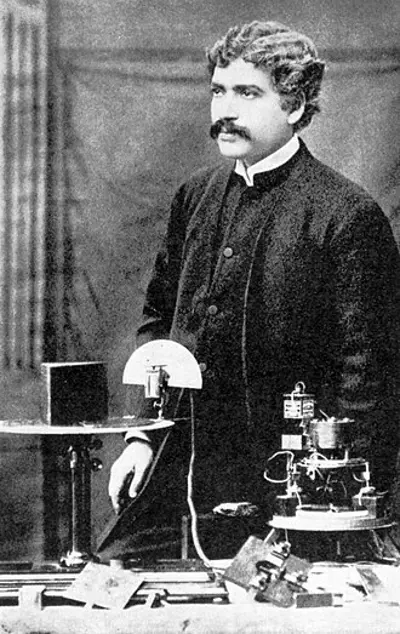
Sir Jagadish Chandra Bose was a polymath with interests in biology, physics and writing science fiction. He was a pioneer in the investigation of radio microwave optics, made significant contributions to botany, and was a major force behind the expansion of experimental science on the Indian subcontinent. Bose is considered the father of Bengali science fiction. A crater on the Moon was named in his honour. He founded the Bose Institute, a premier research institute in India and also one of its oldest. Established in 1917, the institute was the first interdisciplinary research centre in Asia. He served as the Director of Bose Institute from its inception until his death.
Jagadish Chandra Bose, Indian physicist, biologist, botanist, and archaeologist (died 1937)
On November 30, in the year 1858, Jagadish Chandra Bose, Indian physicist, biologist, botanist, and archaeologist (died 1937). This event is recorded as a Notable Births event in the history of November 30, a notable event in this corner of history.
1 notable person is associated with this event, including Jagadish Chandra Bose. Learn more below.
Key Facts
- This event took place on November 30, 1858 (AD era).
- It is categorised as a Notable Births event in recorded history.
- Referenced in 1 Wikipedia article.
- 1 notable person is recorded as involved in or associated with this event.
- Wikipedia source last updated on 16 November 2026.
On This Date in History
This article draws on content from Wikipedia, available under CC BY-SA 4.0.
People Involved
More on November 30
1549
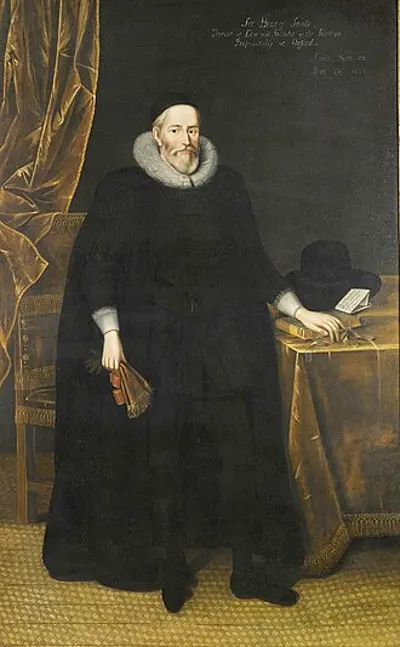
Sir Henry Savile, English scholar and mathematician (died 1622)
Sir Henry Savile was an English scholar and mathematician, Warden of Merton College, Oxford, and Provost of Eton. He endowed the Savilian chairs of Astronomy and of Geometry at Ox…
Sir Henry Savile, English scholar and mathematician (died 1622)
1508
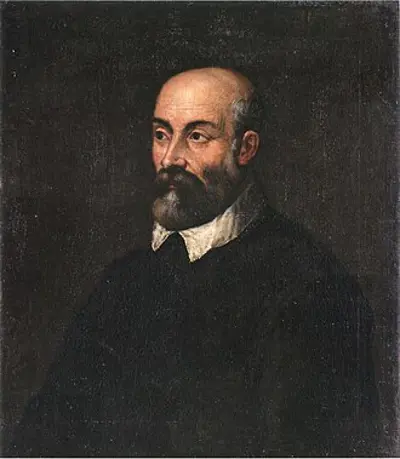
Andrea Palladio, Italian architect and theoretician, designed the Church of San Giorgio Maggiore and Teatro Olimpico…
Andrea Palladio was an Italian Renaissance architect active in the Venetian Republic. Palladio, influenced by Roman and Greek architecture, primarily Vitruvius, is widely consider…
Andrea Palladio, Italian architect and theoretician, designed the Church of San Giorgio Maggiore and Teatro Olimpico…
1485
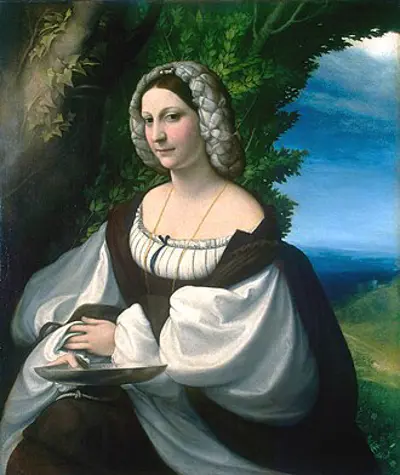
Veronica Gambara, Italian poet and stateswoman (died 1550)
Veronica Gambara was an Italian poet and politician. She was the ruler of the County of Correggio from 1518 until 1550.
Veronica Gambara, Italian poet and stateswoman (died 1550)
1466
560 years ago
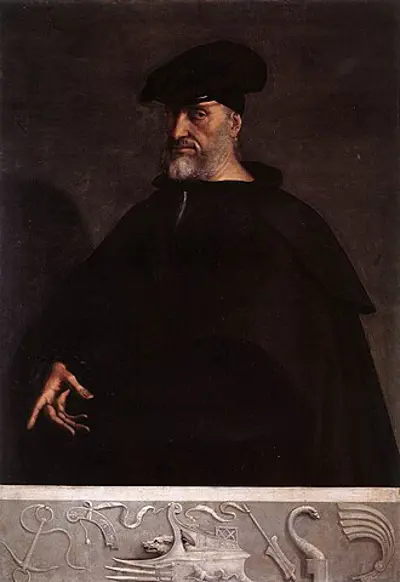
Andrea Doria, Italian admiral (died 1560)
Andrea Doria, Prince of Melfi was an Italian statesman, condottiero and admiral, who played a key role in the Republic of Genoa during his lifetime.
Andrea Doria, Italian admiral (died 1560)
1459
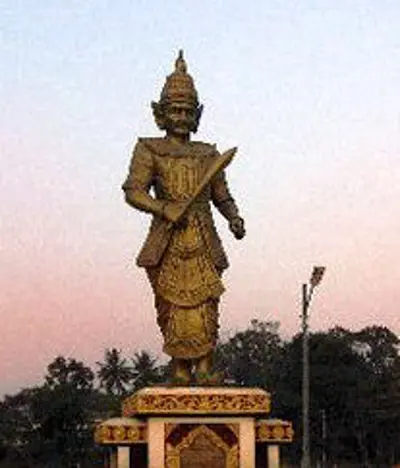
Mingyi Nyo, founder of Toungoo dynasty of Burma (died 1530)
Mingyi Nyo, was the founder of the Toungoo dynasty of Burma (Myanmar). Under his 45-year leadership (1485–1530), Toungoo (Taungoo), grew from a remote backwater vassal state of Av…
Mingyi Nyo, founder of Toungoo dynasty of Burma (died 1530)
1427
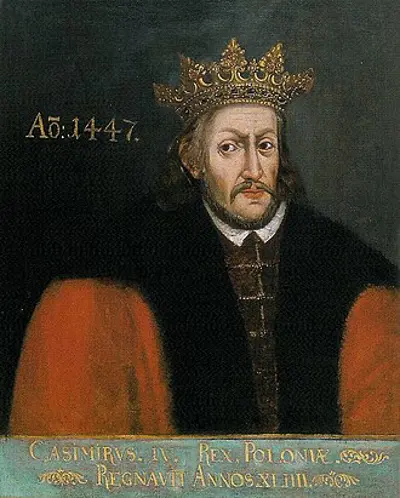
Casimir IV Jagiellon, King of Poland (died 1492)
Casimir Andrew Jagiellon was Grand Duke of Lithuania from 1440 and King of Poland as Casimir IV from 1447 until his death in 1492. He was one of the most active Polish-Lithuanian …
Casimir IV Jagiellon, King of Poland (died 1492)
Comments 0
Sign in to join the discussion.