
The Constitution of the German Reich, usually known as the Weimar Constitution, was the constitution that governed Germany during the Weimar Republic era. The constitution created a federal semi-presidential republic with a parliament, the Reichstag, that was elected by universal suffrage using proportional representation. The appointed Reichsrat represented the interests of the federal states. The president of Germany had supreme command over the military, extensive emergency powers, and appointed and removed the chancellor, who was responsible to the Reichstag. The constitution included a significant number of civic rights such as freedom of speech and habeas corpus. It guaranteed freedom of religion and did not permit the establishment of a state church.
Germany's Weimar Constitution is signed into law.
On August 11, in the year 1919, Germany's Weimar Constitution is signed into law. This event is recorded as a Historical Events event in the history of August 11, one of 394 recorded events on this date across all of history.
Key Facts
- This event took place on August 11, 1919 (AD era).
- It is categorised as a Historical Events event in recorded history.
- Referenced in 1 Wikipedia article.
- Wikipedia source last updated on 21 May 2026.
On This Date in History 394
This article draws on content from Wikipedia, available under CC BY-SA 4.0.
More on August 11
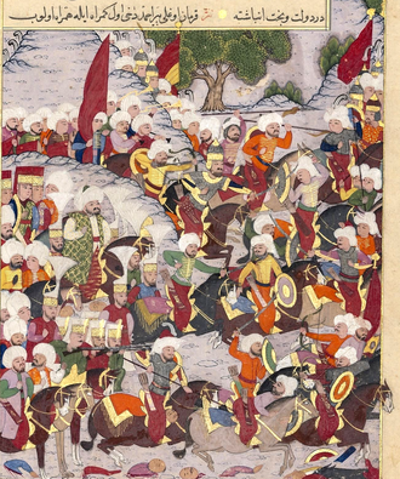
The Battle of Otlukbeli: Mehmed the Conqueror of the Ottoman Empire decisively defeats Uzun Hassan of Aq Qoyunlu.
The Battle of Otlukbeli was fought between the Aq Qoyunlu and the Ottoman Empire on 11 August 1473.
The Battle of Otlukbeli: Mehmed the Conqueror of the Ottoman Empire decisively defeats Uzun Hassan of Aq Qoyunlu.
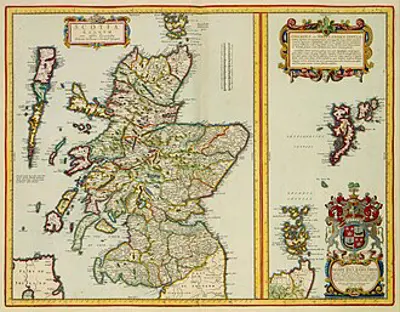
Wars of Scottish Independence: Battle of Dupplin Moor: Scots under Domhnall II, Earl of Mar are routed by Edward…
The Scottish wars (1296–1357) were two extended military conflicts in which the Kingdom of England attempted to establish control over the Kingdom of Scotland. In spite of signifi…
Wars of Scottish Independence: Battle of Dupplin Moor: Scots under Domhnall II, Earl of Mar are routed by Edward…
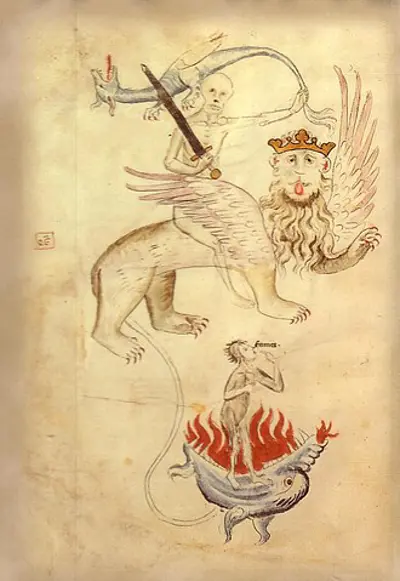
The Great Famine of Europe becomes so dire that even the king of England has difficulties buying bread for himself and…
The Great Famine of 1315–1317 was the first of a series of large-scale crises that struck parts of Europe early in the 14th century. Most of Europe was affected. The famine caused…
The Great Famine of Europe becomes so dire that even the king of England has difficulties buying bread for himself and…
The Qarmatians of Bahrayn capture and pillage the city of Basra.
The Qarmatians were an Isma'ili Shia militant movement led by an Arabized dynasty of Persian descent. Claiming an Alid descent, the Qarmatians were centred in al-Ahsa in Eastern A…
The Qarmatians of Bahrayn capture and pillage the city of Basra.
Battle of Adda: The Goths under Theodoric the Great and his ally Alaric II defeat the forces of Odoacer on the Adda…
The Goths were a Germanic people who played a major role in the fall of the Western Roman Empire and the emergence of medieval Europe. They were first mentioned by Greco-Roman aut…
Battle of Adda: The Goths under Theodoric the Great and his ally Alaric II defeat the forces of Odoacer on the Adda…
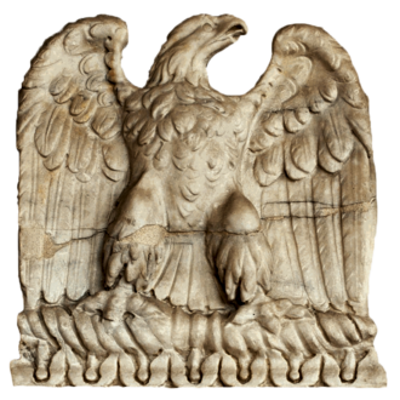
Claudius Silvanus, accused of treason, proclaims himself Roman Emperor against Constantius II.
Silvanus was a Roman general and usurper of Frankish descent. He revolted in Gaul against Emperor Constantius II, claiming the imperial title for 28 days in AD 355.
Claudius Silvanus, accused of treason, proclaims himself Roman Emperor against Constantius II.

Comments 0
Sign in to join the discussion.