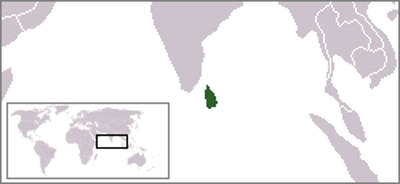
The 1958 anti-Tamil pogrom and riots in Ceylon, also known as the 58 riots, refer to the first island-wide ethnic riots and pogrom to target the minority Tamils in the Dominion of Ceylon after it became an independent dominion from Britain in 1948. The riots lasted from 22 May until 29 May 1958 although sporadic disturbances happened after the declaration of emergency on 27 May 1958. The estimates of the murders range, based on recovered bodies, from 158 to 1,500. Although most of the victims were Tamils, Sinhalese and their property were also affected by retaliatory attacks by Tamil mobs throughout the Batticaloa and Jaffna districts. As the first full-scale race riot in the country in over forty years, the events of 1958 shattered the trust the communities had in one another and led to further polarisation.
The 1958 riots in Ceylon become a watershed in the race relations of various ethnic communities of Sri Lanka. The total deaths are estimated at 300, mostly Tamils.
On May 22, in the year 1958, The 1958 riots in Ceylon become a watershed in the race relations of various ethnic communities of Sri Lanka. The total deaths are estimated at 300, mostly Tamils. This event is recorded as a Historical Events event in the history of May 22, one of 412 recorded events on this date across all of history.
Key Facts
- This event took place on May 22, 1958 (AD era).
- It is categorised as a Historical Events event in recorded history.
- Referenced in 2 Wikipedia articles.
- Wikipedia source last updated on 11 April 2026.
On This Date in History 412
This article draws on content from Wikipedia, available under CC BY-SA 4.0.
More on May 22
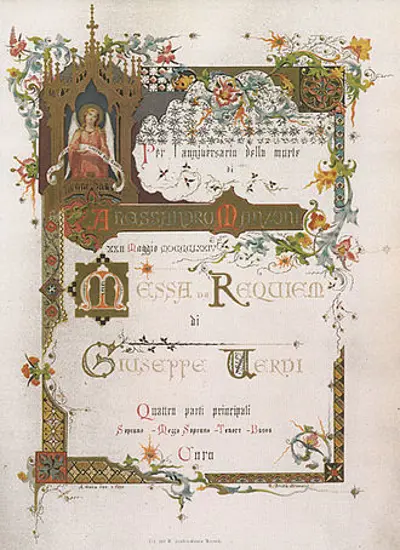
Verdi's Requiem was first performed at San Marco in Milan on the first anniversary of Manzoni's death
The Messa da Requiem is a musical setting of the Catholic funeral mass (Requiem) for four soloists, double choir and orchestra by Giuseppe Verdi. It was composed in memory of Ales…
Verdi's Requiem was first performed at San Marco in Milan on the first anniversary of Manzoni's death
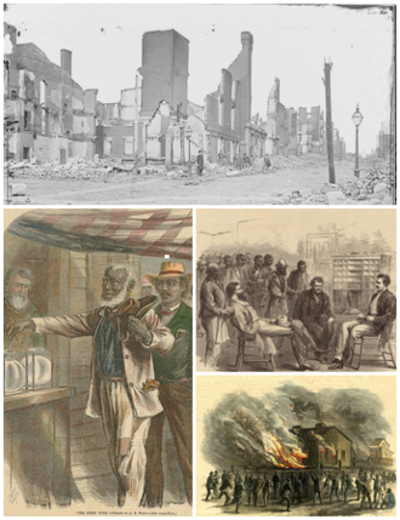
Reconstruction Era: President Ulysses S
The Reconstruction era, often simply called Reconstruction, was a period in United States history that followed the American Civil War (1861–1865) and was dominated by the legal, …
Reconstruction Era: President Ulysses S
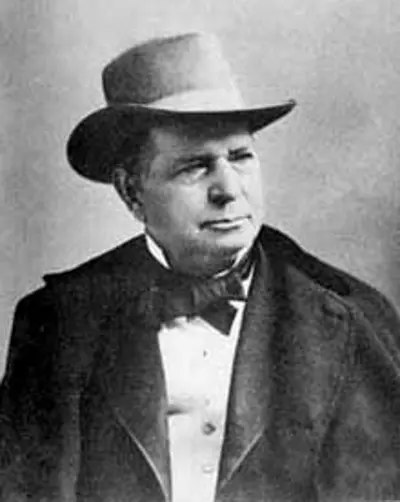
Oliver Winchester founded the Winchester Repeating Arms
Oliver Fisher Winchester was an American businessman and politician, best known as being the founder of the Winchester Repeating Arms Company.
Oliver Winchester founded the Winchester Repeating Arms

American Civil War: After ten weeks, the Union Army's Red River Campaign ends in failure
During the American Civil War, the United States Army, the land force that fought to preserve the collective Union of the states, was often referred to as the Union army, Federal …
American Civil War: After ten weeks, the Union Army's Red River Campaign ends in failure
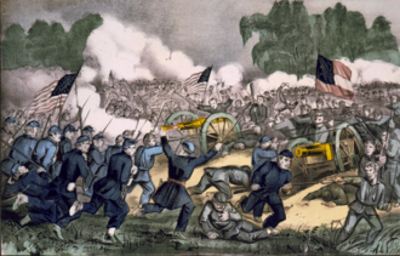
American Civil War: Union forces begin the Siege of Port Hudson which lasts 48 days, the longest siege in U
The American Civil War was a civil war in the United States between the Union and the Confederacy, which was formed in 1861 by states that had seceded from the Union to preserve s…
American Civil War: Union forces begin the Siege of Port Hudson which lasts 48 days, the longest siege in U

Congressman Preston Brooks of South Carolina severely beats Senator Charles Sumner of Massachusetts with a cane in the h
The United States House of Representatives is a chamber of the bicameral United States Congress; it is the lower house, with the U.S. Senate being the upper house. Together, the H…
Congressman Preston Brooks of South Carolina severely beats Senator Charles Sumner of Massachusetts with a cane in the h
Comments 0
Sign in to join the discussion.