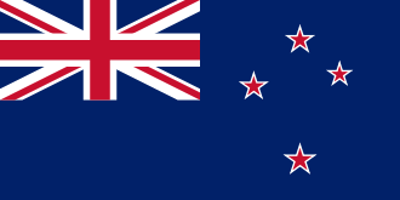
New Zealand is an island country in the southwestern Pacific Ocean. It consists of two main landmasses—the North Island and the South Island —and over 600 smaller islands. It is the sixth-largest island country by area and lies east of Australia across the Tasman Sea and south of the islands of New Caledonia, Fiji, and Tonga. The country's varied topography and sharp mountain peaks, including the Southern Alps, owe much to tectonic uplift and volcanic eruptions. New Zealand's capital city is Wellington, and its most populous city is Auckland.
New Zealand decimalises its former currency to the modern-day New Zealand dollar.
On July 10, in the year 1967, New Zealand decimalises its former currency to the modern-day New Zealand dollar. This event is recorded as a Historical Events event in the history of July 10, one of 488 recorded events on this date across all of history.
Key Facts
- This event took place on July 10, 1967 (AD era).
- It is categorised as a Historical Events event in recorded history.
- Referenced in 3 Wikipedia articles.
- The event is associated with a specific geographical location (see map below).
- Wikipedia source last updated on 21 June 2026.
On This Date in History 488
This article draws on content from Wikipedia, available under CC BY-SA 4.0.
More on July 10
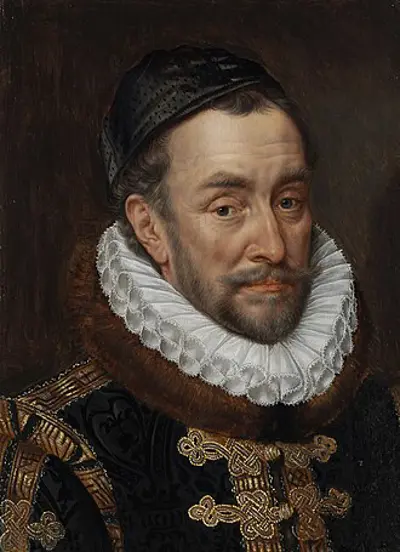
1584
William I of Orange is assassinated in his home in Delft, Holland, by Balthasar Gérard.
William the Silent or William the Taciturn, more commonly known in the Netherlands as William of Orange and in the Dutch National anthem as Willem van Nassau, was the leader of th…
William I of Orange is assassinated in his home in Delft, Holland, by Balthasar Gérard.
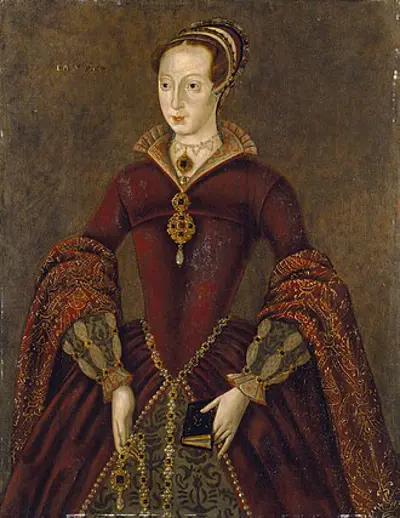
1553
Lady Jane Grey takes the throne of England.
Lady Jane Grey, also known as Lady Jane Dudley after her marriage, and nicknamed as the "Nine Days Queen", was an English noblewoman who was proclaimed Queen of England and Irelan…
Lady Jane Grey takes the throne of England.
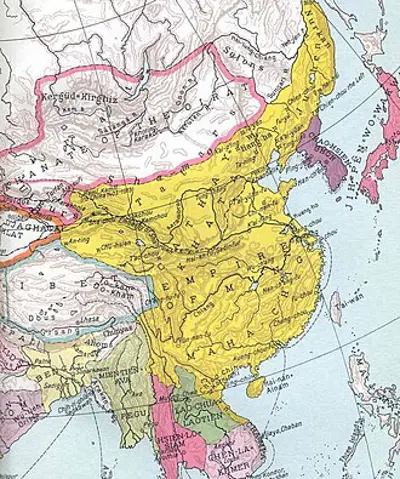
1519
Zhu Chenhao declares the Ming dynasty's Zhengde Emperor a usurper, beginning the Prince of Ning rebellion, and leads…
Zhu Chenhao was a prince of the Ming dynasty, being a fifth-generation descendant of Zhu Quan, the seventeenth son of the founder and first emperor of the dynasty, the Hongwu Empe…
Zhu Chenhao declares the Ming dynasty's Zhengde Emperor a usurper, beginning the Prince of Ning rebellion, and leads…
1512
The Spanish conquest of Iberian Navarre commences with the capture of Goizueta.
The Spanish conquest of the Iberian part of Navarre was initiated by Ferdinand II of Aragon and completed by his grandson and successor Holy Roman Emperor Charles V in a series of…
The Spanish conquest of Iberian Navarre commences with the capture of Goizueta.
1499
The Portuguese explorer Nicolau Coelho returns to Lisbon after discovering the sea route to India as a companion of…
Nicolau Coelho was an expert Portuguese navigator and explorer during the Age of Discovery. He participated in the discovery of the route to India by Vasco da Gama, where he comma…
The Portuguese explorer Nicolau Coelho returns to Lisbon after discovering the sea route to India as a companion of…
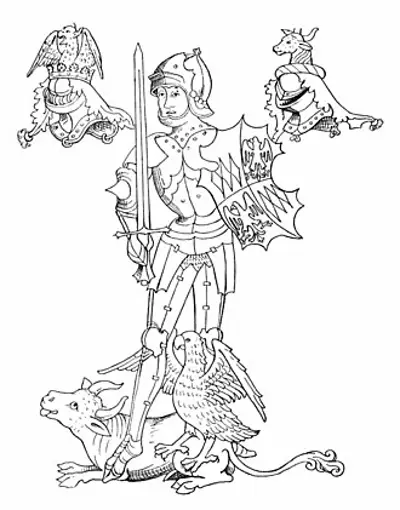
1460
Richard Neville, 16th Earl of Warwick, defeats the king's Lancastrian forces and takes King Henry VI prisoner in the…
Richard Neville, 16th Earl of Warwick, 6th Earl of Salisbury, known as Warwick the Kingmaker, was an English nobleman, administrator, landowner of the House of Neville fortune and…
Richard Neville, 16th Earl of Warwick, defeats the king's Lancastrian forces and takes King Henry VI prisoner in the…

Comments 0
Sign in to join the discussion.