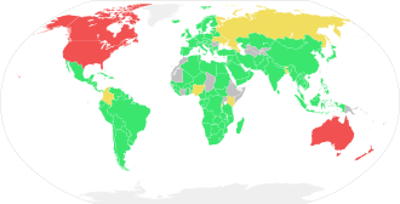
The Declaration on the Rights of Indigenous Peoples is a legally non-binding United Nations resolution passed by the General Assembly on September 13, 2007, that delineates and defines the individual and collective rights of Indigenous peoples, including their ownership rights, cultural and ceremonial expression, identity, language, employment, health, education and other issues. Their ownership also extends to the protection of their Indigenous intellectual property. The declaration "emphasizes the rights of Indigenous peoples to maintain and strengthen their own institutions, cultures and traditions, and to pursue their development in keeping with their own needs and aspirations." It "prohibits discrimination against indigenous peoples and promotes their full and effective participation in all matters that concern them, and their right to remain distinct and to pursue their own visions of economic and social development".
The Declaration on the Rights of Indigenous Peoples is adopted by the United Nations General Assembly.
On September 13, in the year 2007, The Declaration on the Rights of Indigenous Peoples is adopted by the United Nations General Assembly. This event is recorded as a Historical Events event in the history of September 13, one of 467 recorded events on this date across all of history.
Key Facts
- This event took place on September 13, 2007 (AD era).
- It is categorised as a Historical Events event in recorded history.
- Referenced in 2 Wikipedia articles.
- Wikipedia source last updated on 24 August 2026.
On This Date in History 467
This article draws on content from Wikipedia, available under CC BY-SA 4.0.
More on September 13
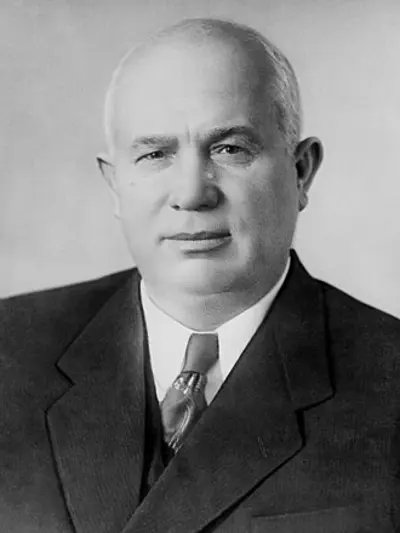
Nikita Khrushchev is appointed General Secretary of the Communist Party of the Soviet Union.
Nikita Sergeyevich Khrushchev was the First Secretary of the Communist Party of the Soviet Union from 1953 to 1964 and the Chairman of the Council of Ministers from 1958 to 1964. …
Nikita Khrushchev is appointed General Secretary of the Communist Party of the Soviet Union.
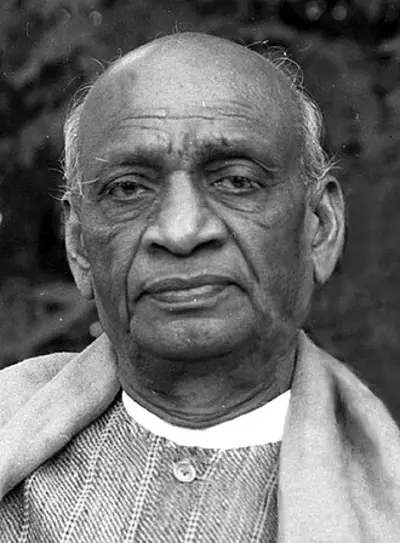
Deputy Prime Minister of India Vallabhbhai Patel orders the Army to move into Hyderabad to integrate it with the…
Vallabhbhai Patel, commonly known as Sardar Patel, was a Gandhian Indian independence activist, lawyer and statesman who served as the first Deputy Prime Minister and Home Ministe…
Deputy Prime Minister of India Vallabhbhai Patel orders the Army to move into Hyderabad to integrate it with the…
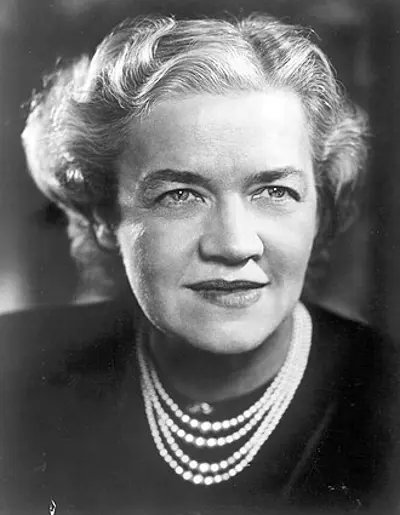
Margaret Chase Smith is elected United States senator, and becomes the first woman to serve in both the U.S. House of…
Margaret Madeline Chase Smith was an American politician. A member of the Republican Party, she served as a U.S. representative (1940–1949) and a U.S. senator (1949–1973) from Mai…
Margaret Chase Smith is elected United States senator, and becomes the first woman to serve in both the U.S. House of…
World War II: Start of the Battle of Meligalas between the Greek Resistance forces of the Greek People's Liberation…
The Battle of Meligalas took place during the Axis occupation of Greece in Meligalas in southwestern Greece on 13–15 September 1944. Greek Resistance forces of the Greek People's …
World War II: Start of the Battle of Meligalas between the Greek Resistance forces of the Greek People's Liberation…
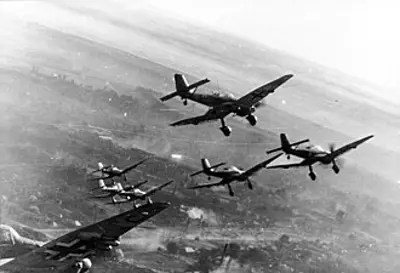
World War II: Second day of the Battle of Edson's Ridge in the Guadalcanal Campaign. U.S. Marines successfully defeat…
World War II, or the Second World War, was a global conflict between two coalitions: the Allies and the Axis powers. Nearly all of the world's countries participated, with many en…
World War II: Second day of the Battle of Edson's Ridge in the Guadalcanal Campaign. U.S. Marines successfully defeat…
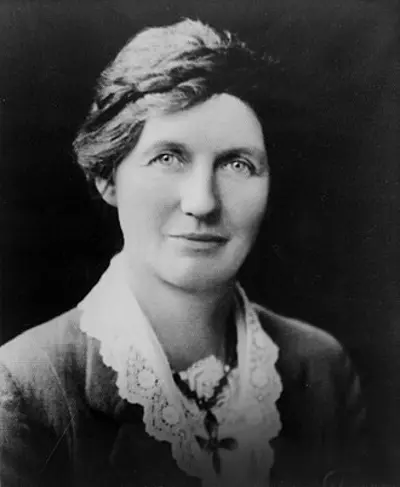
Elizabeth McCombs becomes the first woman elected to the New Zealand Parliament.
Elizabeth Reid McCombs was a New Zealand politician of the Labour Party who in 1933 became the first woman elected to the New Zealand Parliament. New Zealand women gained the righ…
Elizabeth McCombs becomes the first woman elected to the New Zealand Parliament.
Comments 0
Sign in to join the discussion.