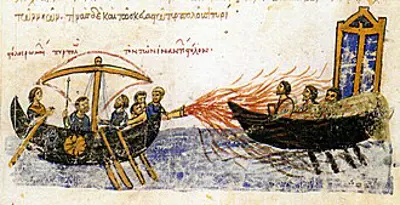
The Arab–Byzantine wars or Muslim–Byzantine wars were a series of wars from the 7th to 11th centuries between the successive Islamic caliphates and the Byzantine Empire. Following the Byzantine defeat at the Battle of the Yarmuk, Muslim armies conquered most Byzantine territory in the Levant, Egypt and North Africa within decades. Arab expansion subsequently slowed to a more gradual rate, following two failed sieges of the Byzantine capital of Constantinople in the late 7th and early 8th centuries. By the mid-9th century, the Byzantines had partially recovered and proceeded to recapture some of their lost territory in Anatolia in the following decades.
Arab–Byzantine wars: The Byzantine Empire decisively defeated the Emirate of Melitene at the Battle of Lalakaon, beginning the era of Byzantine ascendancy.
On September 3, in the year 863, Arab–Byzantine wars: The Byzantine Empire decisively defeated the Emirate of Melitene at the Battle of Lalakaon, beginning the era of Byzantine ascendancy. This event is recorded as a Selected Events event in the history of September 3, one of 429 recorded events on this date across all of history.
Key Facts
- This event took place on September 3, 863 (AD era).
- It is categorised as a Selected Events event in recorded history.
- Referenced in 5 Wikipedia articles.
- Wikipedia source last updated on 26 August 2026.
On This Date in History 429
This article draws on content from Wikipedia, available under CC BY-SA 4.0.
More on September 3
2017
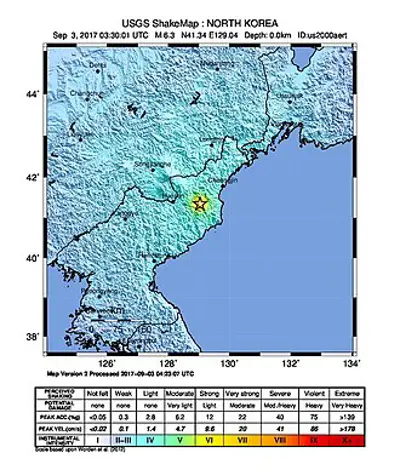
North Korea conducted its sixth and most powerful nuclear test at Punggye-ri, causing a magnitude-6.3 earthquake.
North Korea conducted its sixth nuclear test on 3 September 2017, claiming it had tested a thermonuclear weapon. While unconfirmed, analysts agree the test was likely of a thermon…
North Korea conducted its sixth and most powerful nuclear test at Punggye-ri, causing a magnitude-6.3 earthquake.
2001
25 years ago
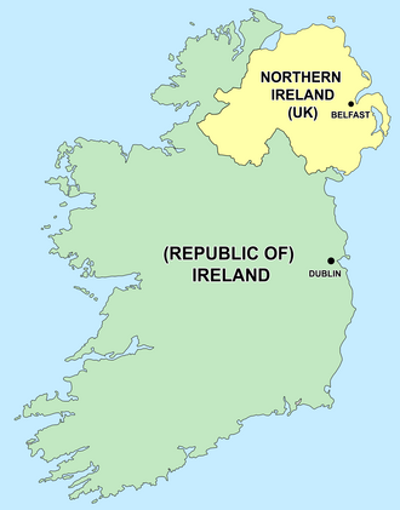
The Troubles: Ulster loyalists resumed a picket outside a Catholic girls' primary school in the Protestant portion of…
The Troubles were an ethno-nationalist conflict in Northern Ireland that lasted for about 30 years from the late 1960s to 1998. Also known internationally as the Northern Ireland …
The Troubles: Ulster loyalists resumed a picket outside a Catholic girls' primary school in the Protestant portion of…
1991
35 years ago
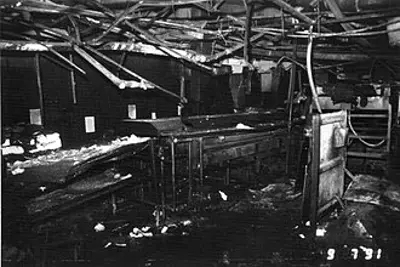
A fire killed 25 people locked inside a burning chicken processing plant in Hamlet, North Carolina, U.S.
On September 3, 1991, an industrial fire caused by a failed improvised repair to a hydraulic line destroyed the Imperial Food Products chicken processing plant in Hamlet, North Ca…
A fire killed 25 people locked inside a burning chicken processing plant in Hamlet, North Carolina, U.S.
1987
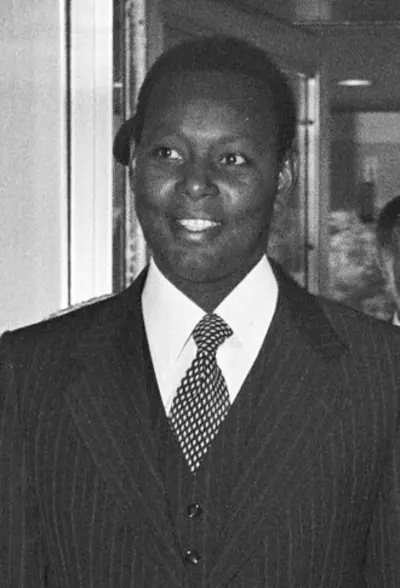
While he was abroad, Burundian president Jean-Baptiste Bagaza was deposed in a military coup d'état by Pierre Buyoya.
Jean-Baptiste Bagaza was a Burundian army officer and politician who ruled Burundi as president and de facto military dictator from November 1976 to September 1987.
While he was abroad, Burundian president Jean-Baptiste Bagaza was deposed in a military coup d'état by Pierre Buyoya.
1942
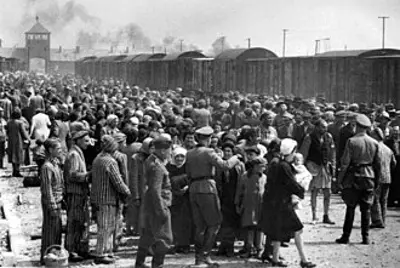
The Holocaust: In possibly the first Jewish ghetto uprising, residents of the Łachwa Ghetto in occupied Poland,…
The Holocaust, known in Hebrew as the Shoah, was the genocide of European Jews during World War II. From 1941 to 1945, Nazi Germany and its collaborators systematically murdered a…
The Holocaust: In possibly the first Jewish ghetto uprising, residents of the Łachwa Ghetto in occupied Poland,…
1941
85 years ago
The mass expulsion of Soviet Germans from the Volga German ASSR begins.
After the German invasion of the Soviet Union in June 1941, ethnic Germans living in the Soviet Union were subject to mass deportation starting from August 1941 by the NKVD on the…
The mass expulsion of Soviet Germans from the Volga German ASSR begins.
Comments 0
Sign in to join the discussion.