George Louis, Elector of Hanover, became King George I of Great Britain, marking the beginning of the Georgian era.
70 results for “George Moscone” — type: selected (89 ms)
George Louis, Elector of Hanover, became King George I of Great Britain, marking the beginning of the Georgian era.
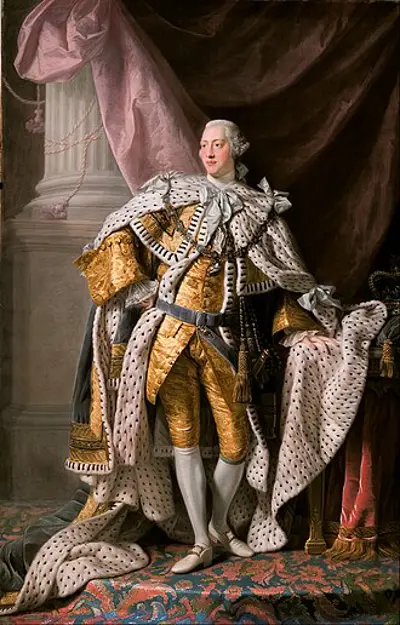
George III became King of Great Britain and Ireland, succeeding his grandfather George II.
George Lucas began writing a 13-page film treatment that later formed the basis of Star Wars.
Derek Chauvin was found guilty of all charges in the murder of George Floyd by a Minnesota court.
The Ladies of Trenton social club hosted a reception for President-elect George Washington as he journeyed to New York City for his first inauguration.
George Washington (pictured) took the oath of office as the first president of the United States at Federal Hall in New York City.
The wedding of Prince Harry and Meghan Markle (both pictured) took place at St George's Chapel in Windsor Castle, England.
George Floyd, a black American man, was murdered (memorial pictured) during an arrest by a white police officer in Minneapolis, sparking protests in the U.S. and other countries.
Joe Brown and George Band, members of the British Kangchenjunga expedition, made the first ascent of the world's third-highest mountain but deliberately did not set foot on the summit.
The comic novel The Diary of a Nobody by brothers George and Weedon Grossmith first appeared in serial form in Punch.
French and Indian War: Led by 22-year-old George Washington, a company of Virginia colonial militiamen ambushed a force of 35 Canadiens at the Battle of Jumonville Glen.
American physician George Tiller, one of the few doctors in the country who performed late-term abortions, was shot and killed by Scott Roeder, an anti-abortion activist.
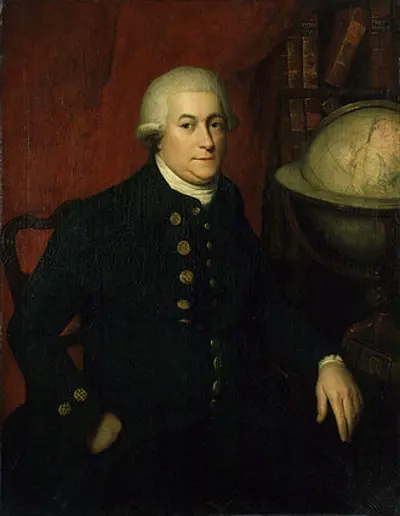
Captain George Vancouver of the Royal Navy claimed the land around Puget Sound in the Pacific Northwest for Great Britain.
At a speech at Harvard University, United States Secretary of State George Marshall called for economic aid to war-torn Europe, outlining a recovery program that became known as the Marshall Plan.
Nineteen Eighty-Four, a dystopian political novel by the English writer George Orwell about life under a fictional totalitarian government, was published.
The University of Alabama was desegregated as Governor George Wallace stepped aside after defiantly blocking the entrance to an auditorium (pictured).
US president George W. Bush designated 140,000 square miles (360,000 km2) around the Northwestern Hawaiian Islands as the Papahānaumokuākea Marine National Monument, now one of the world's largest pro�
King George V and Queen Mary (both pictured) were crowned at Westminster Abbey in London.
American Revolutionary War: French troops landed near St. George's, Grenada, and began their capture of the island.
French and Indian War: George Washington surrendered Fort Necessity in Pennsylvania, the only military surrender in his career.