1797
War of the First Coalition: Napoleon Bonaparte conquers Venice
War of the First Coalition: Napoleon Bonaparte conquers Venice.
4805 results for “War of the First Coalition: Napoleon Bonaparte conquers Venice” (454 ms)
War of the First Coalition: Napoleon Bonaparte conquers Venice.
War of the First Coalition: The Peace of Leoben is signed by Napoleon Bonaparte and Maximilian, Count of Merveldt, creating an armistice between France and Austria, setting the stage for the Treaty of�
War of the First Coalition: In the climax of the Montenotte Campaign, Napoleon Bonaparte decisively defeats the army of Piedmont at the Battle of Mondovi, leading to Piedmont's surrender a week later�
War of the First Coalition: In the Battle of Borghetto, Napoleon Bonaparte manages to cross the Mincio River against the Austrian army. This crossing forces the Austrians to abandon Lombardy and retre�
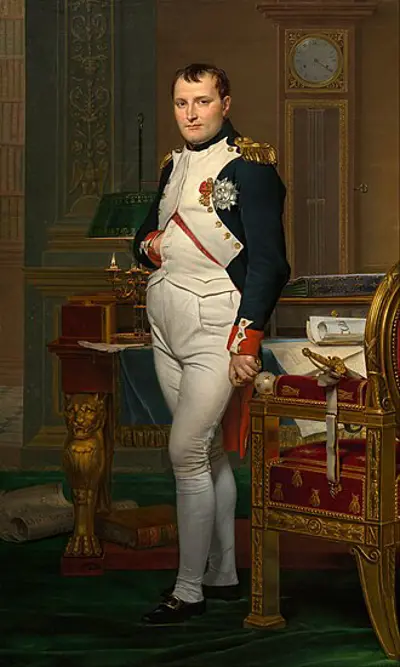
The French Army of First Consul Napoleon Bonaparte defeats the Austrians at the Battle of Marengo in Northern Italy and re-conquers Italy.
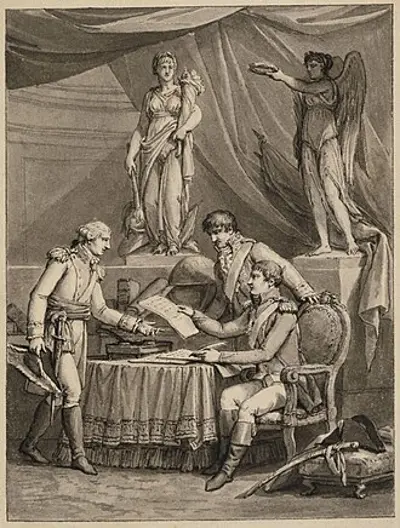
The Treaty of Schönbrunn is signed, ending the War of the Fifth Coalition, the final successful war in Napoleon Bonaparte's military career.
The end of the Siege of Acre (1799): Napoleon Bonaparte abandons his siege of the Ottoman city of Acre after two months. This was the turning point of Bonaparte's Egyptian campaign and one of the firs�
Thé Lau, Dutch singer-songwriter and guitarist (died 2015)
The siege of Mantua begins when Napoleon Bonaparte lays siege to the fortress of Mantua the last Austrian stronghold in Northern Italy. It will become the main focus of Napoleon's army for eight month�
Joséphine de Beauharnais, French empress, first wife of Napoleon Bonaparte (born 1763)
War of the First Coalition: Napoleon wins a victory against Austrian forces at Lodi bridge over the Adda River in Italy. The Austrians lose some 2,000 men.
War of the First Coalition: Napoleon signed the Armistice of Bologna, agreeing a ceasefire between France and the Papal States.

Napoléon Eugène, the last dynastic Bonaparte, is killed in the Anglo-Zulu War.
Napoleon Bonaparte signs a general amnesty to allow all but about one thousand of the most notorious émigrés of the French Revolution to return to France.
The Armistice of Cherasco is signed by Napoleon Bonaparte and Vittorio Amedeo III, King of Sardinia, expanding French territory along the Mediterranean coast.
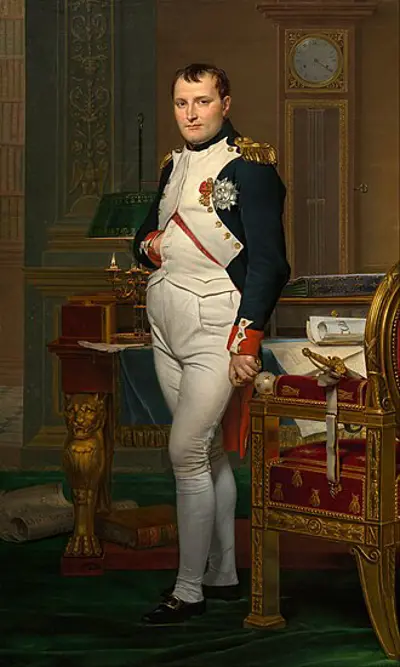
Napoleon Bonaparte is proclaimed Emperor of the French by the French Senate.
Napoleon Bonaparte and his expedition force leave France to invade Egypt.
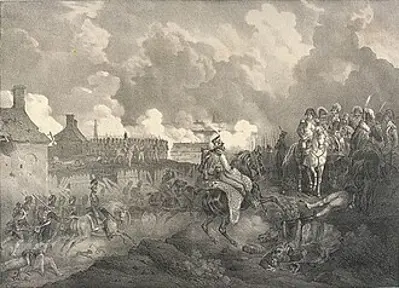
Napoleon Bonaparte leads his French troops into the Battle of Bautzen in Saxony, Germany, against the combined armies of Russia and Prussia. The battle ends the next day with a French victory.
By the Law of 20 May 1802, Napoleon Bonaparte reinstates slavery in the French colonies, revoking its abolition in the French Revolution.