The Royal New Zealand Navy adopted a unique white ensign, to distinguish its vessels from those of the Royal Navy
The Royal New Zealand Navy adopted a unique white ensign, to distinguish its vessels from those of the Royal Navy.

113 results for “Roy Sievers” — type: selected (57 ms)
The Royal New Zealand Navy adopted a unique white ensign, to distinguish its vessels from those of the Royal Navy.
Roy Horn of the American entertainment duo Siegfried & Roy (both pictured) was mauled by a tiger during a performance at the Mirage on the Las Vegas Strip.
Second World War: The German submarine U-47 torpedoed and sank the Royal Navy battleship HMS Royal Oak while the latter was anchored at Scapa Flow in Orkney, Scotland.
A revolt of citizens in Toledo, Castile, opposed to the rule of the foreign-born Charles I began when the royal government attempted to unseat radical city councilors.
The Royal Canadian Mounted Police arrested two men who were plotting to commit terrorist attacks against Via Rail operations.
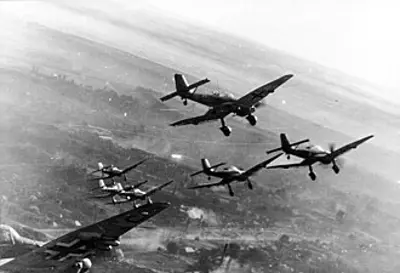
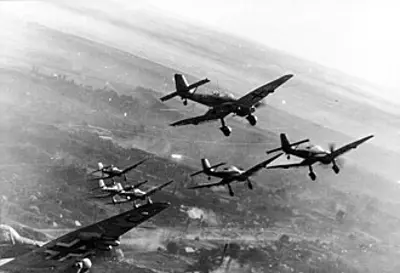
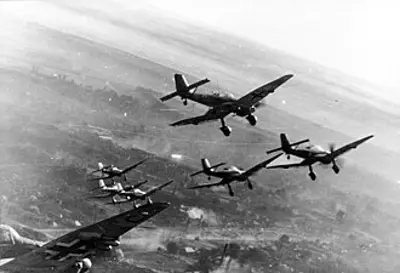
Second World War: In retaliation for the Royal Air Force's bombing of Lübeck, the Luftwaffe began a series of air raids across England, beginning with Exeter.
First World War: The British Royal Navy launched unsuccessful raids on Ostend and Zeebrugge in German-occupied Belgium.
Service ended on the Baltimore and Ohio Railroad's Royal Blue Line, one of the first major electrified train lines in the U.S. (steam train pictured).
Wars of the Three Kingdoms: Covenanter forces defeated the Royalists at the Battle of Carbisdale near the village of Culrain, Scotland.
Fletcher Christian, the acting lieutenant on board the Royal Navy ship Bounty, led a mutiny against the commander William Bligh in the South Pacific.
A Dutch man drove his car at high speed into a parade in an attempt to kill the Dutch royal family.
Second World War: The Royal Navy submarine HMS Seraph began Operation Mincemeat to deceive Germany about the upcoming invasion of Sicily.
A royal charter granted the Hudson's Bay Company a monopoly in the fur trade in Rupert's Land (present-day Canada).
King Richard I of England gave the city of Portsmouth its first royal charter.
The oldest Royal Air Force station in continuous operation, RAF Northolt, opened as home to No. 4 Reserve Aeroplane Squadron.
The 13th-century castle of Tre Kronor in Stockholm burned down; plans for the current royal palace were presented within the year.
First English Civil War: The first siege of Wardour Castle ended after six days with the surrender of the Royalist garrison under Lady Blanche Arundell
Second World War: The Royal Air Force's "Dambusters" squadron embarked on an attack on German dams using bouncing bombs designed by Barnes Wallis.
The Imperial War Graves Commission was established by royal charter to mark, record and maintain the graves and places of commemoration of British Empire military forces.
Prayut Chan-o-cha (pictured), the commander-in-chief of the Royal Thai Army, launched a coup d'état against the caretaker government following six months of political crisis.