1922
In Washington D
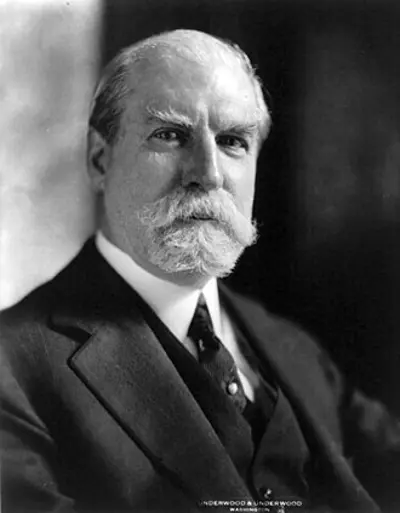
In Washington D.C., U.S. Secretary of State Charles Evans Hughes and Dominican Ambassador Francisco J. Peynado sign the Hughes–Peynado agreement, which ends the United States occupation of the Dominic�
2311 results for “Charles J. Watters” — type: events (706 ms)
In Washington D.C., U.S. Secretary of State Charles Evans Hughes and Dominican Ambassador Francisco J. Peynado sign the Hughes–Peynado agreement, which ends the United States occupation of the Dominic�
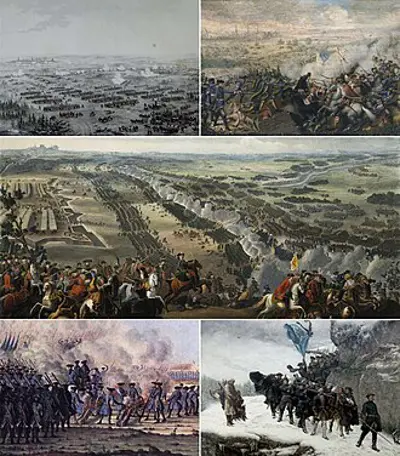
�ish-Saxon army of Augustus II the Strong, operating from an advantageous defensive position, is defeated by a Swedish army half its size under the command of King Charles XII in the Battle of Klissow.

�f Cape Finisterre: An inconclusive naval action is fought between a combined French and Spanish fleet under Admiral Pierre-Charles Villeneuve of France and a British fleet under Admiral Robert Calder.
The first commercial use of an electrical telegraph is successfully demonstrated in London by William Cooke and Charles Wheatstone.
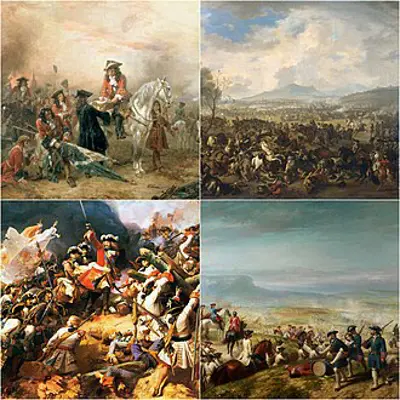
War of the Spanish Succession: Gibraltar is captured by an English and Dutch fleet, commanded by Admiral Sir George Rooke and allied with Archduke Charles.
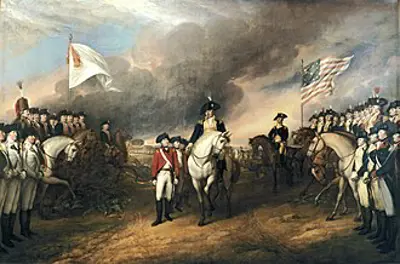
�erican Revolutionary War: Battle of Blue Licks: The last major engagement of the war, almost ten months after the surrender of the British commander Charles Cornwallis following the Siege of Yorktown.
�rance following the death of his father Louis IX, during the Eighth Crusade. His uncle, Charles I of Naples, is forced to begin peace negotiations with Muhammad I al-Mustansir, Hafsid Sultan of Tunis.
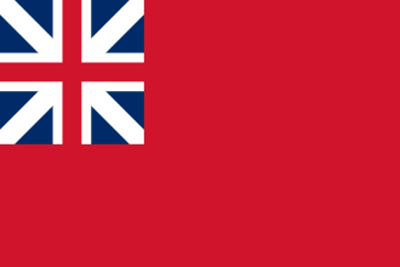
Stono Rebellion, the largest slave uprising in Britain's mainland North American colonies prior to the American Revolution, erupts near Charleston, South Carolina.
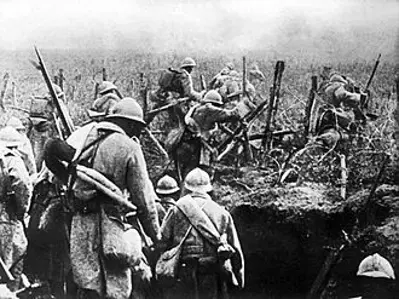
World War I: During the East African Campaign, colonial forces of the Belgian Congo (Force Publique) under the command of Charles Tombeur capture the town of Tabora after heavy fighting.
The Battle of Rowton Heath in England occurs, ending in a Parliamentarian victory over a Royalist army commanded in person by King Charles I.
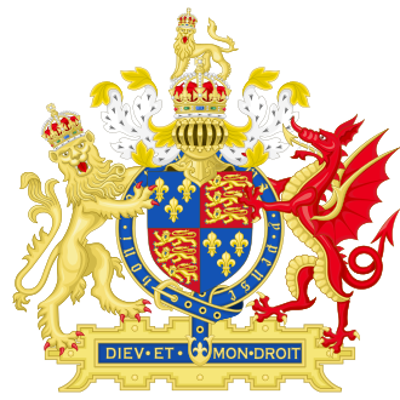
�ngland accepts the Solemn League and Covenant, which promises religious reforms in England and Ireland in exchange for support of Scottish troops against king Charles I in the First English Civil War.
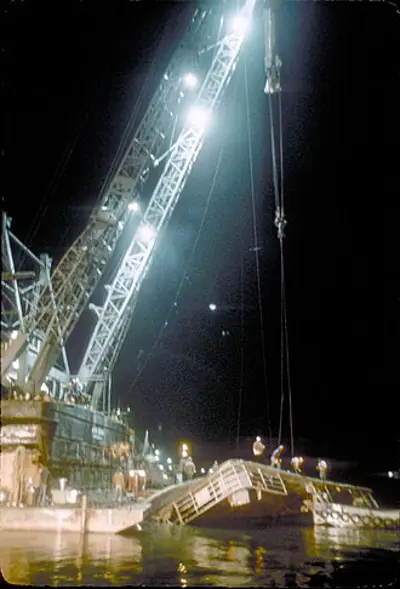
�s struck by the Norwegian freighter SS Frosta while crossing the Mississippi River in St. Charles Parish, Louisiana. Seventy-eight passengers and crew die, and only 18 people aboard the ferry survive.

Savings and loan crisis: The United States Senate Ethics Committee issues a stern censure of California senator Alan Cranston for his "dealings" with savings-and-loan executive Charles Keating.
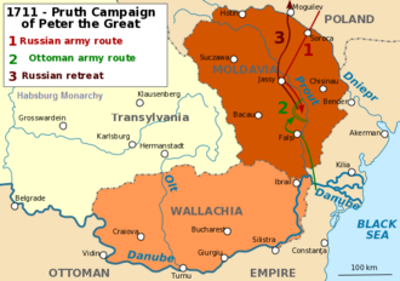
Begin of the Russo-Turkish War of 1710–1713, after tensions between the two states escalate as the Ottomans provide shelter to King Charles XII of Sweden in their fortress of Bender.
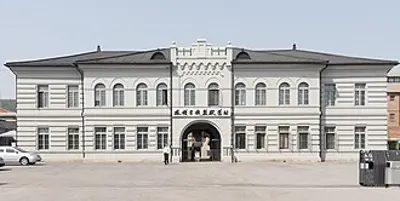
Port Arthur, China, falls to the Japanese, a decisive victory of the First Sino-Japanese War; Japanese troops are accused of massacring the remaining inhabitants.
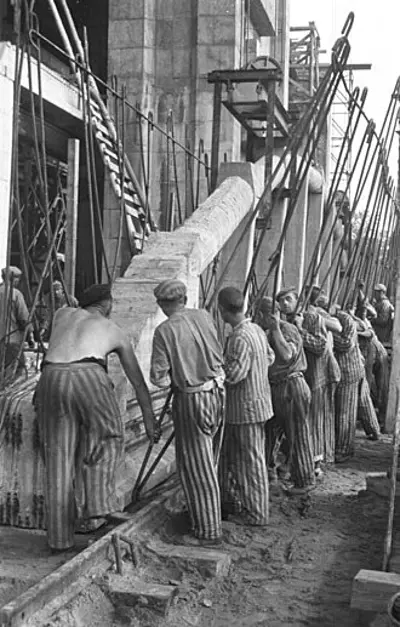
Nazi Germany issues the Decree on the Elimination of Jews from Economic Life prohibiting Jews from selling goods and services or working in a trade, totally segregating Jews from the German economy.
Masada, a Jewish fortress, falls to the Romans after several months of siege, ending the First Jewish–Roman War.

Johnson Space Center shooting: William Phillips barricades himself with a handgun in NASA's Johnson Space Center in Houston, Texas, before killing a male hostage and himself.
After an eight-year conflict, Baldwin III of Jerusalem wins sole control of the Kingdom of Jerusalem from his mother Melisende.

Japan's Prime Minister Junichiro Koizumi apologizes for Japan's war record.