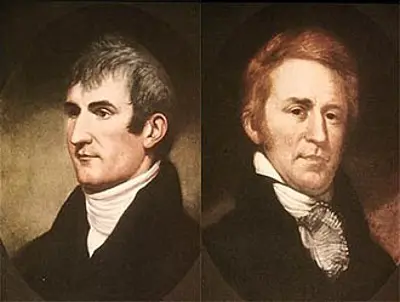
1804
The Lewis and Clark Expedition officially begins as the Corps of Discovery departs from St
The Lewis and Clark Expedition officially begins as the Corps of Discovery departs from St. Charles, Missouri.
202 results for “Charles-Antoine Campion” — type: events (81 ms)
The Lewis and Clark Expedition officially begins as the Corps of Discovery departs from St. Charles, Missouri.
The Auckland Harbour Bridge, crossing the Waitemata Harbour in Auckland, New Zealand, is officially opened by Governor-General Charles Lyttelton, 10th Viscount Cobham.
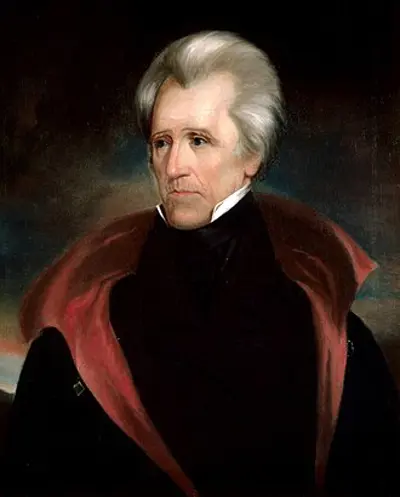
Battle of the Gulf of Naples: Roger of Lauria, admiral to King Peter III of Aragon, destroys the Neapolitan fleet and captures Charles of Salerno.
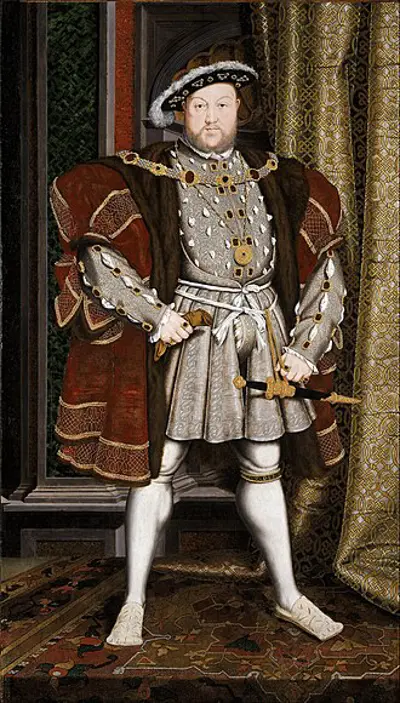
Henry VIII of England and Francis I of France sign the "Treaty of Closer Amity With France" (also known as the Pommeraye treaty), pledging mutual aid against Charles V, Holy Roman Emperor.
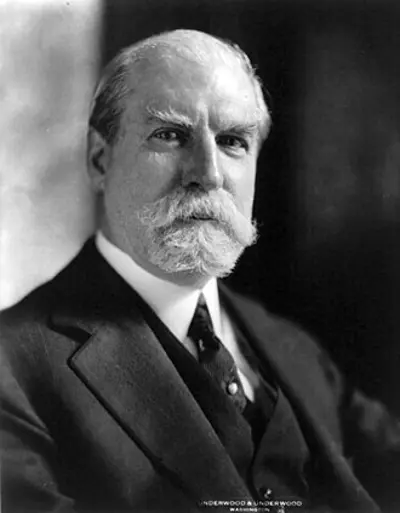
In Washington D.C., U.S. Secretary of State Charles Evans Hughes and Dominican Ambassador Francisco J. Peynado sign the Hughes–Peynado agreement, which ends the United States occupation of the Domini�

China resumes sovereignty over the city-state of Hong Kong, ending 156 years of British colonial rule. The handover ceremony is attended by British Prime Minister Tony Blair, Charles, Prince of Wales�
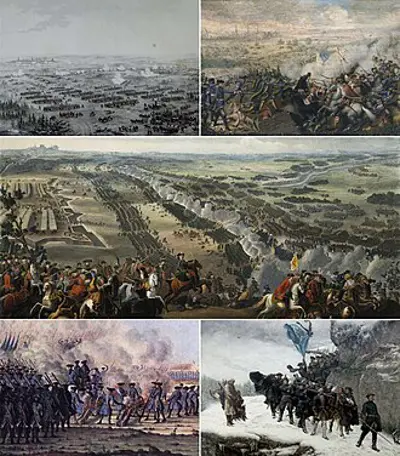
Great Northern War: A numerically superior Polish-Saxon army of Augustus II the Strong, operating from an advantageous defensive position, is defeated by a Swedish army half its size under the comman�

Napoleonic Wars: War of the Third Coalition: Battle of Cape Finisterre: An inconclusive naval action is fought between a combined French and Spanish fleet under Admiral Pierre-Charles Villeneuve of F�
The first commercial use of an electrical telegraph is successfully demonstrated in London by William Cooke and Charles Wheatstone.
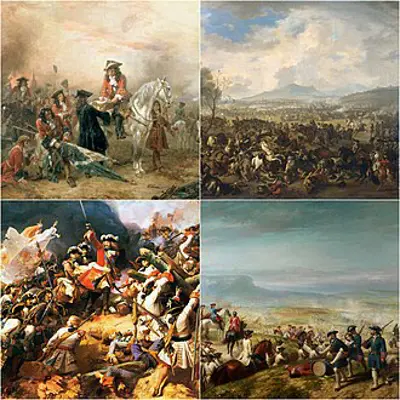
War of the Spanish Succession: Gibraltar is captured by an English and Dutch fleet, commanded by Admiral Sir George Rooke and allied with Archduke Charles.
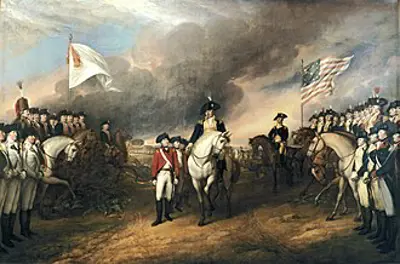
American Revolutionary War: Battle of Blue Licks: The last major engagement of the war, almost ten months after the surrender of the British commander Charles Cornwallis following the Siege of Yorkto�
Philip III, although suffering from dysentery, becomes King of France following the death of his father Louis IX, during the Eighth Crusade. His uncle, Charles I of Naples, is forced to begin peace n�
Stono Rebellion, the largest slave uprising in Britain's mainland North American colonies prior to the American Revolution, erupts near Charleston, South Carolina.
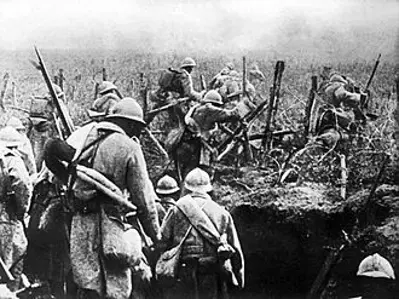
World War I: During the East African Campaign, colonial forces of the Belgian Congo (Force Publique) under the command of Charles Tombeur capture the town of Tabora after heavy fighting.
A British government army led by Sir John Cope is defeated in less than 15 minutes by the Jacobite forces of Prince Charles Edward Stuart.
The Battle of Rowton Heath in England occurs, ending in a Parliamentarian victory over a Royalist army commanded in person by King Charles I.
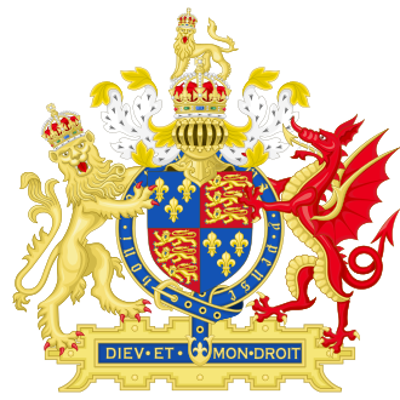
The House of Commons of England accepts the Solemn League and Covenant, which promises religious reforms in England and Ireland in exchange for support of Scottish troops against king Charles I in th�
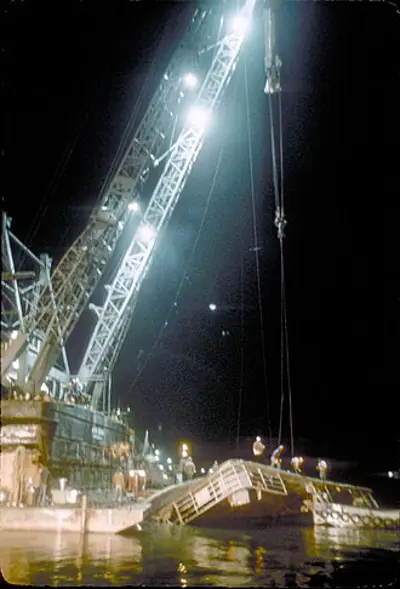
The Luling–Destrehan Ferry MV George Prince is struck by the Norwegian freighter SS Frosta while crossing the Mississippi River in St. Charles Parish, Louisiana. Seventy-eight passengers and crew die�
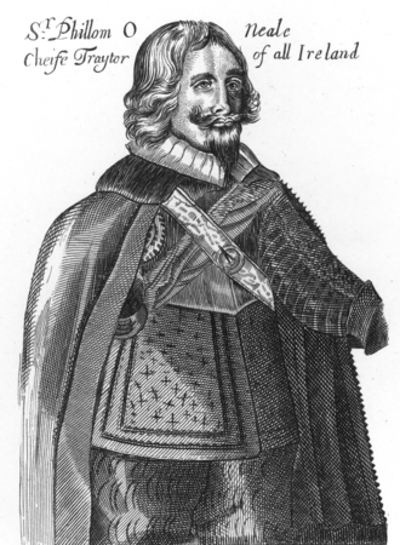
Felim O'Neill of Kinard, the leader of the Irish Rebellion, issues his Proclamation of Dungannon, justifying the uprising and declaring continued loyalty to King Charles I of England.