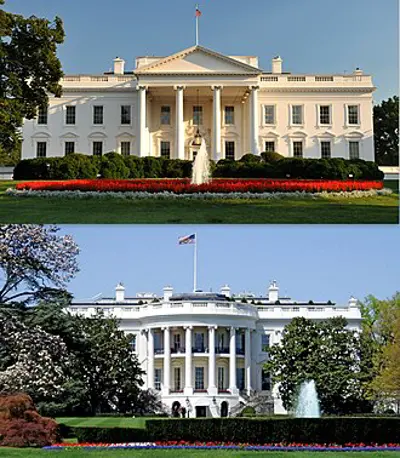
In Washington, D.C., the cornerstone of the United States Executive Mansion (known as the White House since 1818) is…
In Washington, D.C., the cornerstone of the United States Executive Mansion (known as the White House since 1818) is laid.
20292 results for “Francis L. Sullivan” (1269 ms)
In Washington, D.C., the cornerstone of the United States Executive Mansion (known as the White House since 1818) is laid.
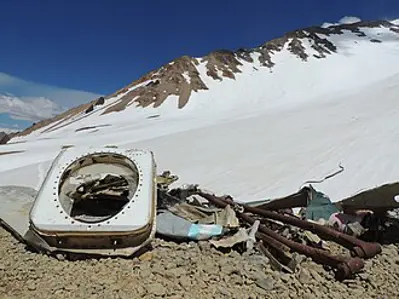
Uruguayan Air Force Flight 571 crashed into a remote area in the Andes mountains near the border of Chile and Argentina; the 16 remaining survivors were not rescued until more than two months later.
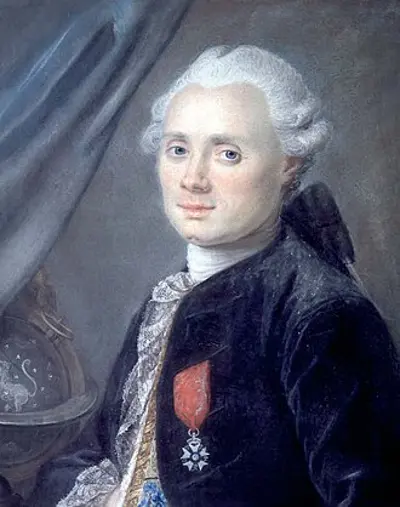
French astronomer Charles Messier discovered the Whirlpool Galaxy (pictured), an interacting, grand design spiral galaxy located an estimated 31 million light-years away.
An Al-Shabaab suicide bomber detonated a massive truck bomb at the Zobe junction in Somalia's capital, Mogadishu, killing 587 people, injuring 316 others, and leaving more than 500 missing.
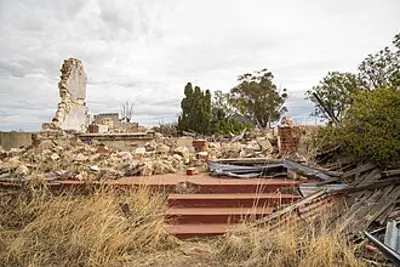
The 6.5 Mw Meckering earthquake shakes the southwest portion of Western Australia with a maximum Mercalli intensity of IX (Violent), causing $2.2 million in damage and leaving 20–28 people injured.
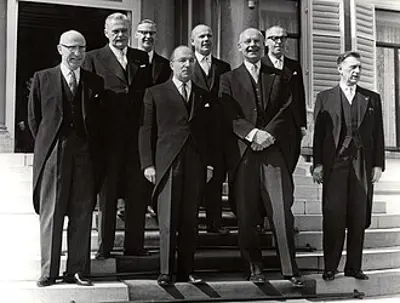
The Dutch Cals cabinet fell after Norbert Schmelzer, the leader of the government party, filed a successful motion against the budget, in what later became known as the Night of Schmelzer.
The former and first President of Finland, K. J. Ståhlberg, and his wife, Ester Ståhlberg, are kidnapped from their home by members of the far-right Lapua Movement.
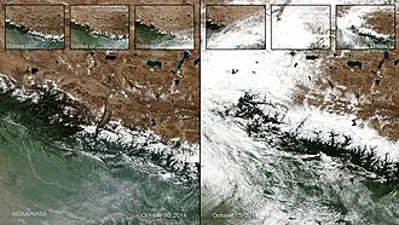
A snowstorm and series of avalanches occurred on and around the Himalayan peaks of Annapurna and Dhaulagiri, resulting in the deaths of at least 43 people.
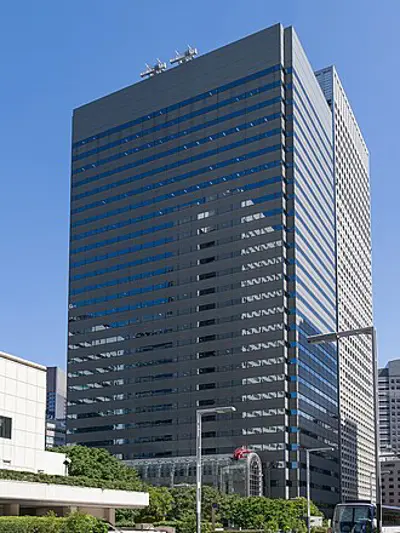
Michael Woodford was dismissed as the CEO of the optics manufacturer Olympus after uncovering internal financial misconduct, escalating the corporate scandal into one of the largest in Japanese busin�
Members of the Politburo voted to remove Nikita Khrushchev as First Secretary of the Communist Party of the Soviet Union and replace him with Leonid Brezhnev.
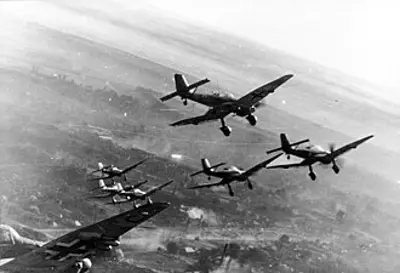
Second World War: During the Blitz, a semi-armour-piercing fragmentation bomb fell on the road above Balham station in London, which was being used as an air raid shelter, killing at least 64 people.
Second World War: The German submarine U-47 torpedoed and sank the Royal Navy battleship HMS Royal Oak while the latter was anchored at Scapa Flow in Orkney, Scotland.
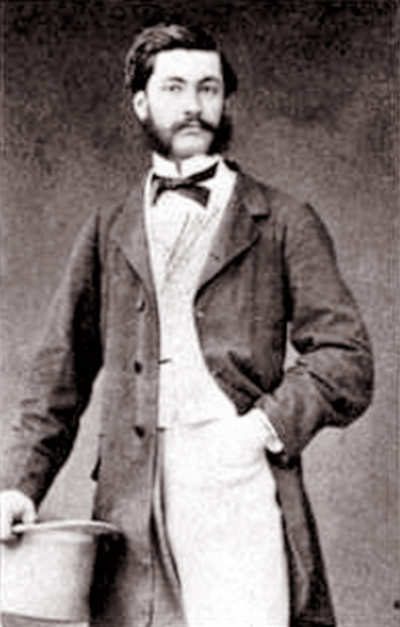
French inventor Louis Le Prince filmed Roundhay Garden Scene (pictured), the earliest surviving motion picture, in Leeds, England.
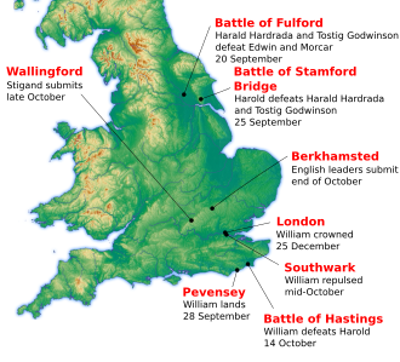
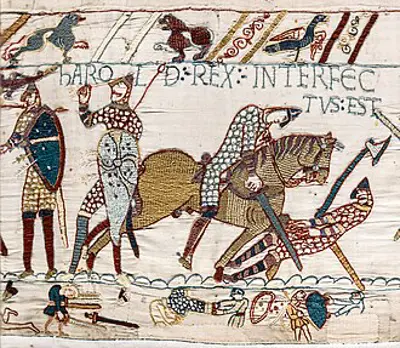
Norman Conquest: William the Conqueror's forces defeated the English army at Hastings and killed Harold Godwinson (depicted), the last crowned Anglo-Saxon king of England.
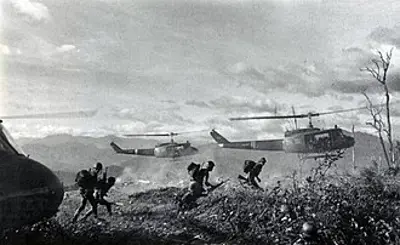
Vietnam War: A draft card is burned during an anti-war rally by the Catholic Worker Movement, resulting in the first arrest under a new law.
Following the death of Harold II at the Battle of Hastings, Edgar the Ætheling is proclaimed King of England by the Witan; he is never crowned, and concedes power to William the Conqueror two months �
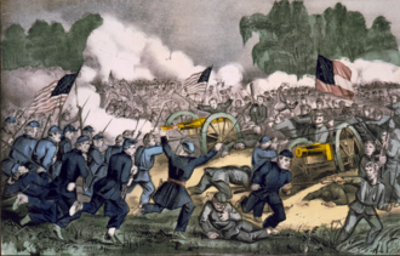
American Civil War: Confederate forces captured Glasgow, Missouri, although it had little long-term benefit as Price's Missouri Expedition was defeated a week later.
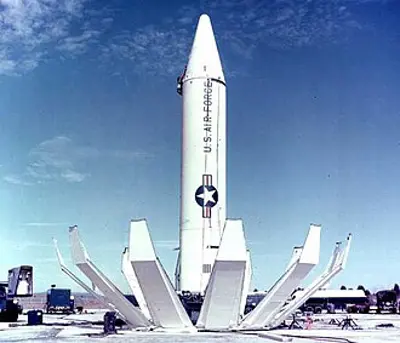
Cuban Missile Crisis begins: U.S. President John F. Kennedy is informed of photos taken on October 14 by a U-2 showing nuclear missiles (the crisis will last for 13 days starting from this point).
Cuban revolutionary Fidel Castro delivers his "History Will Absolve Me" speech, and is sentenced to 15 years' imprisonment by the Fulgencio Batista government for leading an attack on the Moncada Bar�
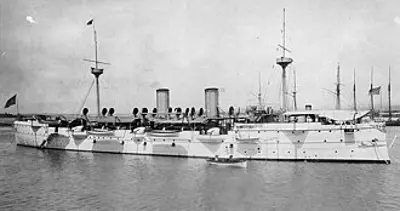
A diplomatic incident between the United States and Chile occurred after U.S. sailors were attacked in Valparaíso, nearly leading to war.