1994
American teenager Michael P
American teenager Michael P. Fay was caned in Singapore for theft and vandalism, a punishment that the United States deemed to be excessive for a teenager committing a non-violent crime.
312 results for “Albert the Bear” — type: selected (151 ms)
American teenager Michael P. Fay was caned in Singapore for theft and vandalism, a punishment that the United States deemed to be excessive for a teenager committing a non-violent crime.
American entertainer Bob Hope performed his first show with the United Service Organizations, beginning a 50-year involvement with them.
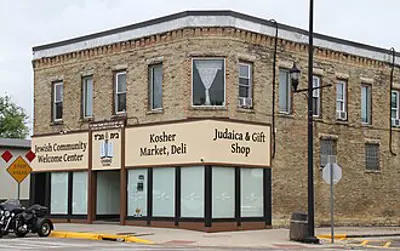
In Postville, Iowa, U.S. Immigration and Customs Enforcement conducted the largest-ever raid of a workplace and arrested nearly 400 immigrants for identity theft and document fraud.
Eleven members of the American Black liberation group MOVE were killed when a Philadelphia police helicopter dropped a bomb on their house during a raid.
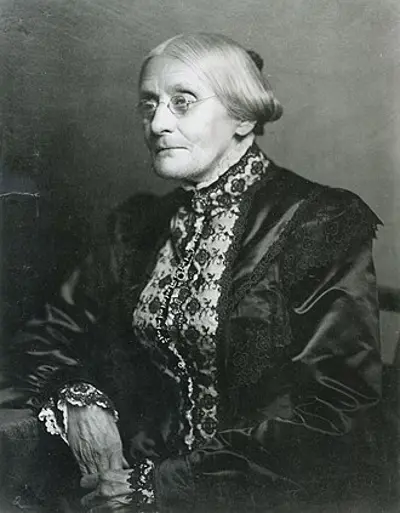
Susan B. Anthony and Elizabeth Cady Stanton founded the National Woman Suffrage Association, breaking away from the American Equal Rights Association which they had also previously founded.
The U.S. Supreme Court ruled in the landmark case Brown v. Board of Education, outlawing racial segregation in public schools because "separate educational facilities are inherently unequal" and there�
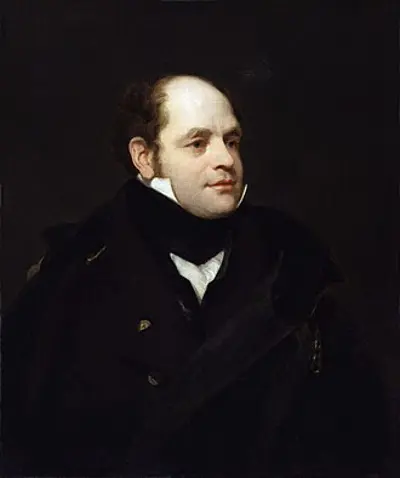
Captain John Franklin (pictured) departed Greenhithe, England, on an expedition to the Canadian Arctic in search of the Northwest Passage; all 129 men were later lost when their ships became icebound�
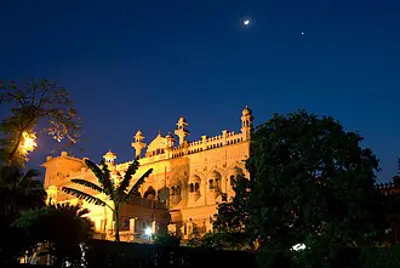
During Hindu–Muslim rioting in Meerut, India, 19 members of the Provincial Armed Constabulary allegedly massacred 42 Muslims and dumped their bodies in water canals.

Ming–Qing transition: Ming general Wu Sangui allowed the invading Manchu to cross the Great Wall of China (pictured), enabling them to capture Beijing and establish the Qing dynasty.
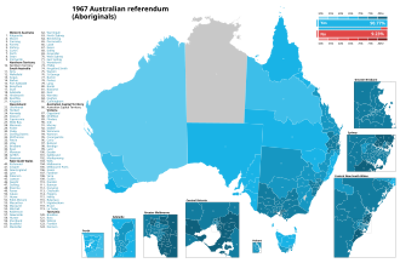
Australians voted overwhelmingly to include Indigenous Australians in population counts for constitutional purposes and to allow the federal government to make special laws affecting them in states.

The Kansas–Nebraska Act became law, establishing the U.S. territories of Nebraska and Kansas, and allowing their settlers to determine if slavery would be permitted.
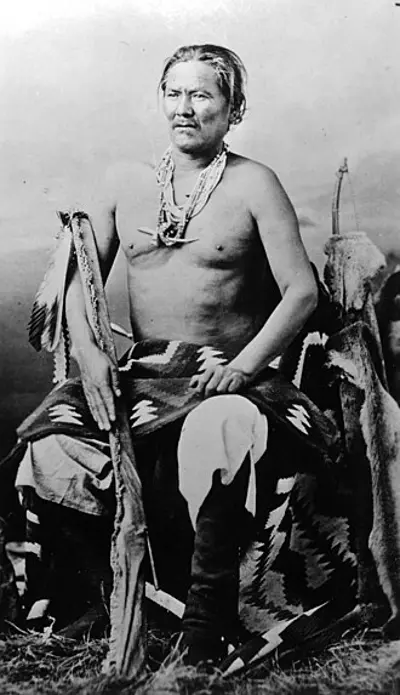
The Navajo and the U.S. government signed the Treaty of Bosque Redondo, which allowed those interned at Fort Sumner to return to their ancestral lands.

�secret treaty, requiring England to aid France in its war against the Dutch Republic and the future conversion of Charles to Catholicism, in return for Louis making large payments to Charles and promi�
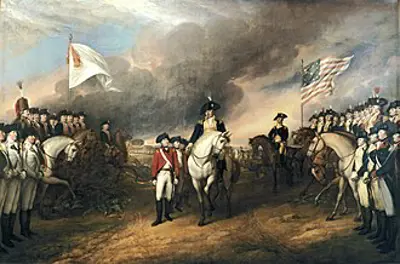
American Revolutionary War: Jack Jouett (pictured) rode 40 miles (64 km) to warn Thomas Jefferson and the Virginia legislature of British cavalry who had been sent to capture them.
American Revolutionary War: Jack Jouett rode 40 miles (64 km) to warn Thomas Jefferson and the Virginia legislature of British cavalry who had been sent to capture them.
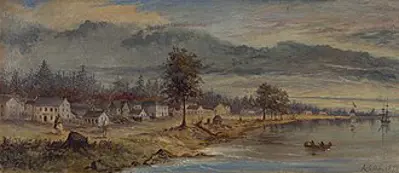
In York, Upper Canada, members of the Family Compact destroyed William Lyon Mackenzie's printing press in the Types Riot after Mackenzie accused them of corruption.
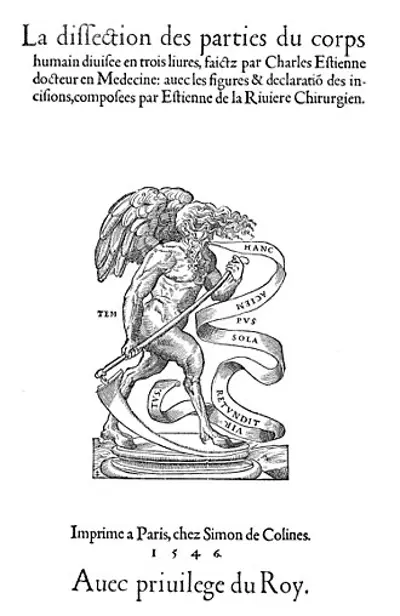
Parisian printer Simon de Colines was fined for printing biblical commentary by Jacques Lefèvre d'Étaples without obtaining prior approval from theologians.
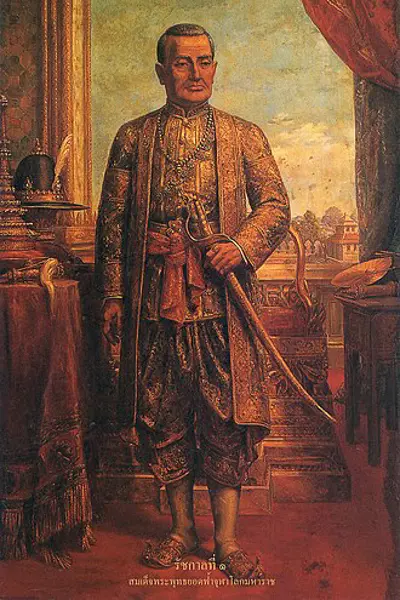
King Rama I moved into the Grand Palace in Bangkok, which has remained the royal residence of Siam and Thailand since then.
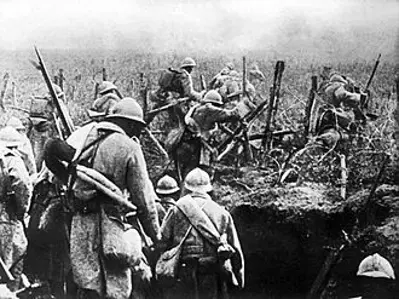
World War I: The Battle of Mont Sorrel in the Ypres Salient came to an end as a Canadian assault led German forces to withdraw to their original lines.

Charles Darwin received a manuscript by fellow naturalist Alfred Russel Wallace on natural selection, which encouraged him to publish his own theory of evolution.