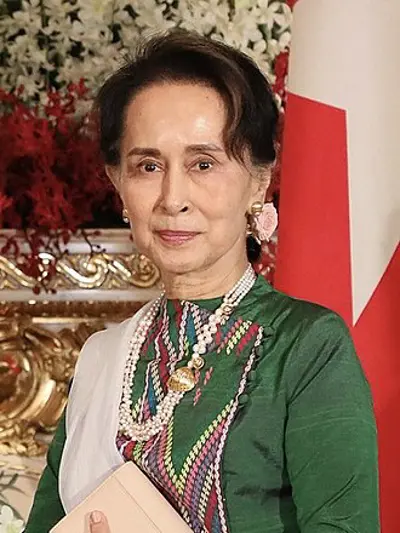
Led by pro-democracy activist Aung San Suu Kyi (pictured), the political party National League for Democracy was…
Led by pro-democracy activist Aung San Suu Kyi (pictured), the political party National League for Democracy was founded in Burma.
2518 results for “Charles F. Hurley” — type: selected (1003 ms)
Led by pro-democracy activist Aung San Suu Kyi (pictured), the political party National League for Democracy was founded in Burma.
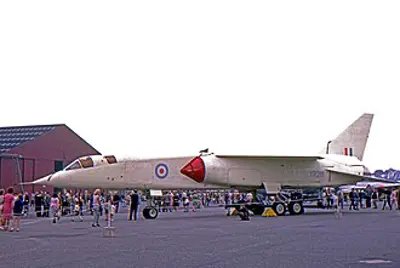
The British Aircraft Corporation TSR-2, an advanced Cold War tactical strike and reconnaissance aircraft that was later cancelled, made its maiden flight.
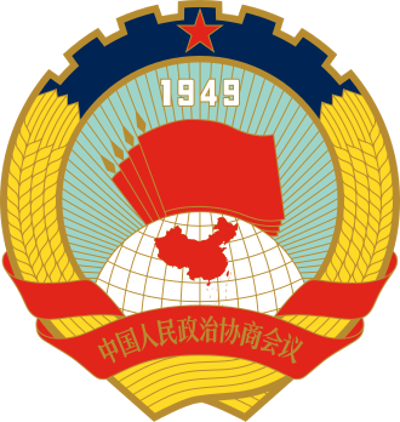
Members of the Chinese People's Political Consultative Conference unanimously selected Zeng Liansong's design for the flag of China (pictured).
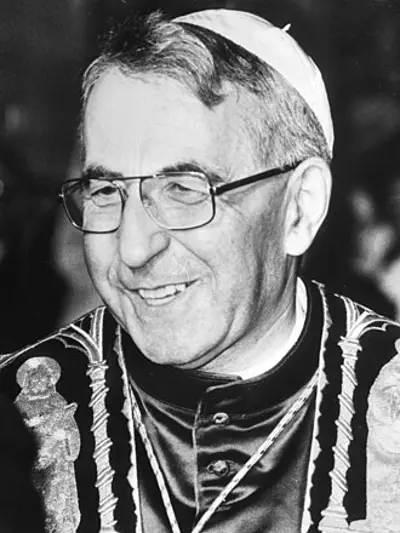
Pope John Paul I died only 33 days after his papal election due to an apparent myocardial infarction, resulting in the first year of three popes since 1605.
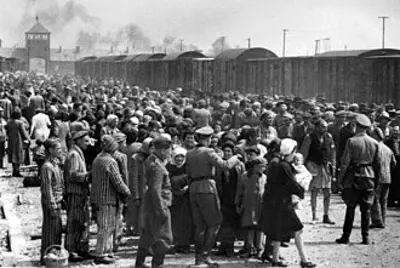
The Holocaust: Nazi forces, aided by Ukrainian collaborators, began a massacre of Jews in a ravine in Kyiv, killing more than 30,000 civilians in two days and thousands more in the following months.
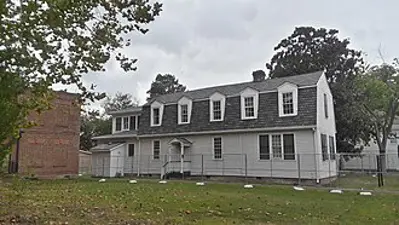
The Williamsburg Bray School, the oldest-surviving school building in the U.S. dedicated to educating Black children, opened at Benjamin Franklin's suggestion.
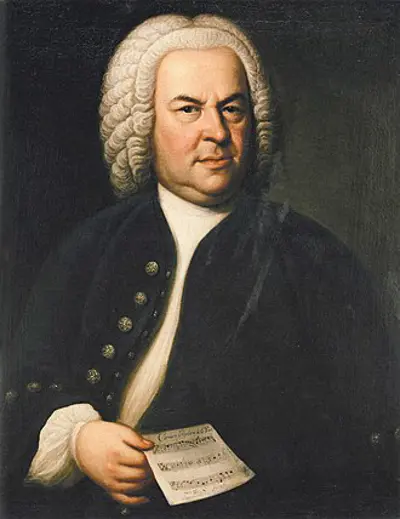
J. S. Bach led the first performance of Herr Gott, dich loben alle wir, BWV 130, based on Paul Eber's hymn in twelve stanzas, for the feast of archangel Michael.
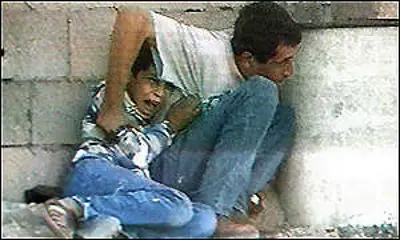
Twelve-year-old Muhammad al-Durrah was shot dead in the Gaza Strip; the Israel Defense Forces initially accepted responsibility but retracted it five years later.
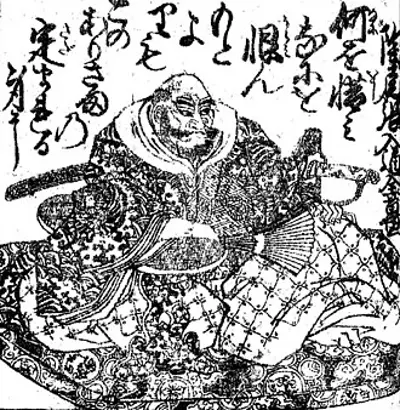
Sue Takafusa, a retainer of the Ōuchi clan in western Japan, led a coup against the daimyō Ōuchi Yoshitaka, leading to the latter's forced suicide.
Muslim conquest of Transoxiana: Türgesh tribesmen attacked and captured the exposed baggage train of the Umayyad army, sent ahead of the main force.
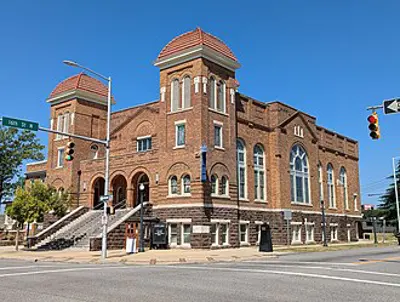
The 16th Street Baptist Church, an African-American church in Birmingham, Alabama, was bombed by the Ku Klux Klan, killing four girls and injuring at least 14 other people.
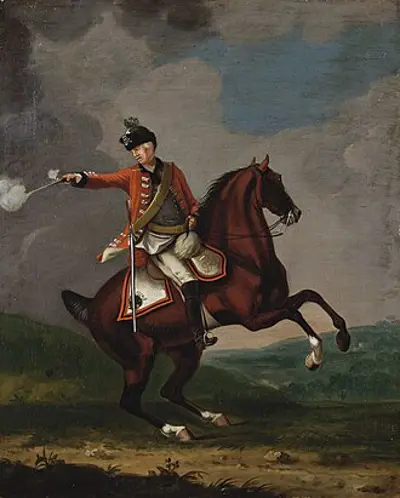
American Revolutionary War: British forces made an unopposed amphibious landing at Kips Bay on Manhattan, the American defenders having fled due to artillery fire.
Korean War: The Korean People's Army retreated from the Battle of the Pusan Perimeter after six weeks of fighting, marking the farthest that the KPA would advance in the war.
Nathaniel P. Langford of the Washburn–Langford–Doane Expedition first observed a geyser in the Wyoming Territory erupting at regular intervals, naming it Old Faithful (video featured).
A lone gunman fired more than 1,000 rounds of ammunition from his hotel suite on a crowd attending the Route 91 Harvest music festival on the Las Vegas Strip, resulting in 60 deaths and 867 injuries.
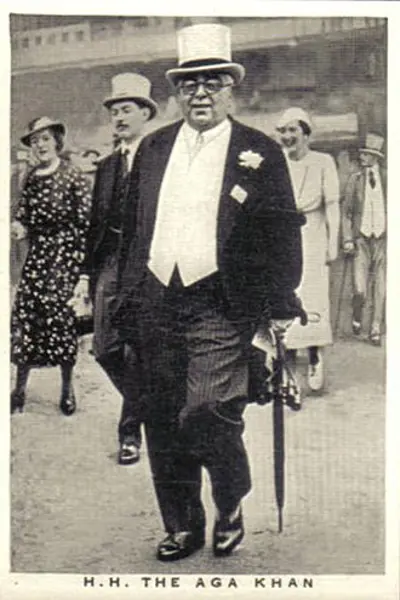
A deputation of Muslim leaders led by the Aga Khan III met Indian viceroy Lord Minto to secure greater political representation, eventually leading to the founding of the All-India Muslim League.
Stanford University, founded by railroad magnate and politician Leland Stanford and his wife Jane in Palo Alto, California, admitted its first students.
Mexican dragoons dispatched to disarm settlers at Gonzales in Mexican Texas encountered stiff resistance from a Texian militia at the Battle of Gonzales, the first armed engagement of the Texas Revol�
The Emergency Economic Stabilization Act of 2008, establishing the Troubled Asset Relief Program, commonly referred to as a bailout of the U.S. financial system, was enacted.
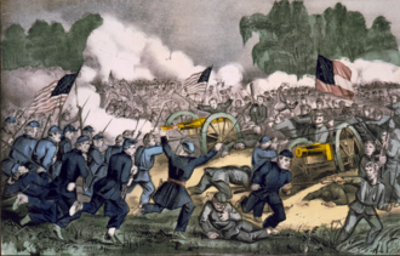
American Civil War: After a naval battle in Galveston Harbor, Texas, Confederate commanders negotiated the surrender of the city to Union forces.