World War II: Winston Churchill and Franklin D. Roosevelt sign the Atlantic Charter of war stating postwar aims.
5549 results for “Arthur R. von Hippel” — type: events (884 ms)
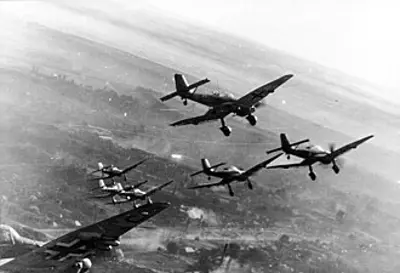
World War II: Winston Churchill and Franklin D. Roosevelt sign the Atlantic Charter of war stating postwar aims.
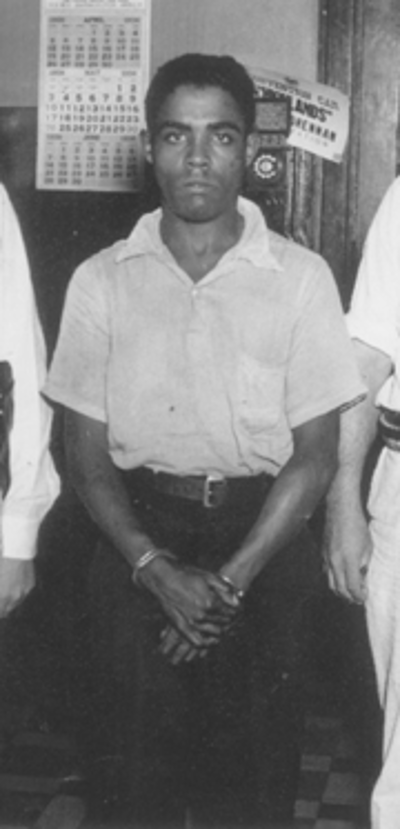
Rainey Bethea is hanged in Owensboro, Kentucky in the last known public execution in the United States.
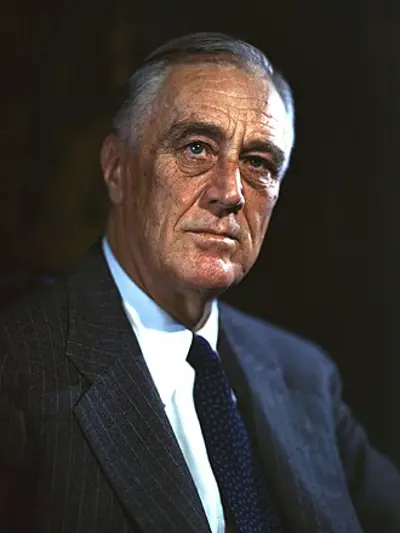
Franklin D. Roosevelt signs the Social Security Act, creating a government pension system for the retired.
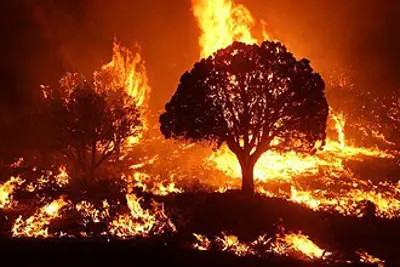
Loggers cause a forest fire in the Coast Range of Oregon, later known as the first forest fire of the Tillamook Burn; destroying 240,000 acres (970 km2) of land.
Tannu Uriankhai, later Tuvan People's Republic is established as a completely independent country (which is supported by Soviet Russia).
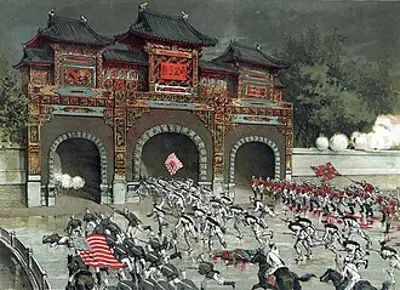
Battle of Peking: The Eight-Nation Alliance occupies Beijing, China, in a campaign to end the bloody Boxer Rebellion in China.
France becomes the first country to introduce motor vehicle registration.
Japan's first patent is issued to the inventor of a rust-proof paint.
The Treaty of Wereloe ended the 1788–1790 Russo-Swedish War.
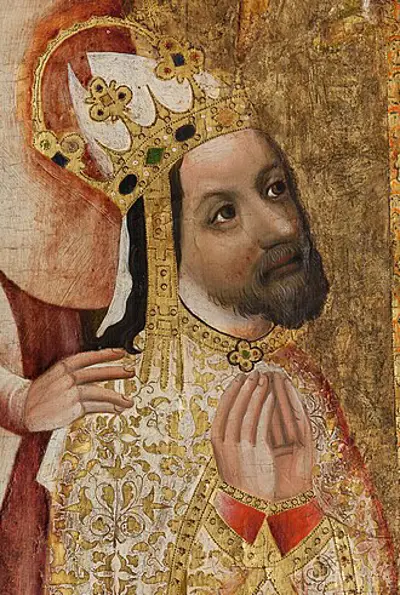
Charles IV, Holy Roman Emperor, grants city privileges to Karlovy Vary.
Abbasid Caliph al-Rashid Billah flees from Bagdhad, which had been besieged by an army of the Seljuk Turks under Sultan Ghiyath ad-Din Mas'ud for fifty days.
King Duncan I is killed in battle against his first cousin and rival Macbeth. The latter succeeds him as King of Scotland.
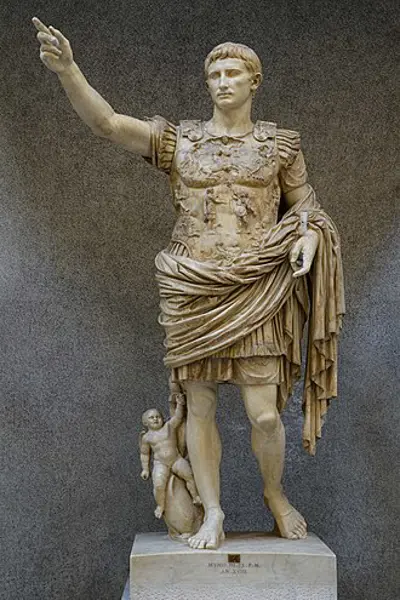
Octavian holds the second of three consecutive triumphs in Rome to celebrate the victory over the Dalmatian tribes.
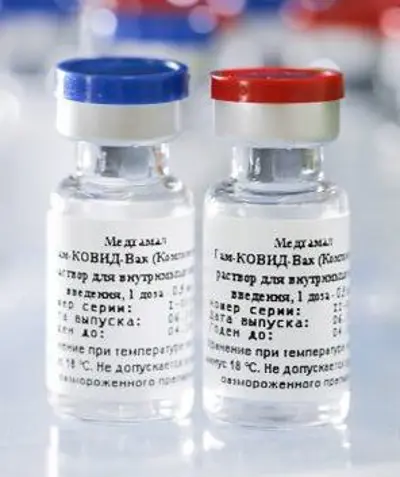
Russia begins production on the Sputnik V COVID-19 vaccine.
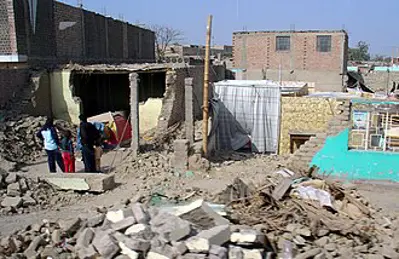
An 8.0-magnitude earthquake off the Pacific coast devastates Ica and various regions of Peru killing 514 and injuring 1,090.
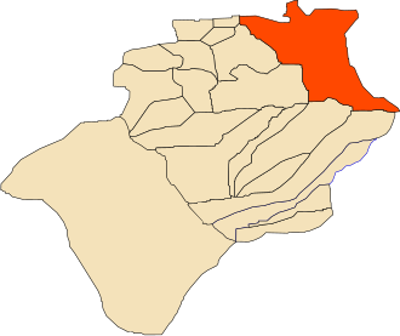
Beni Ounif massacre in Algeria: Some 29 people are killed at a false roadblock near the Moroccan border, leading to temporary tensions with Morocco.
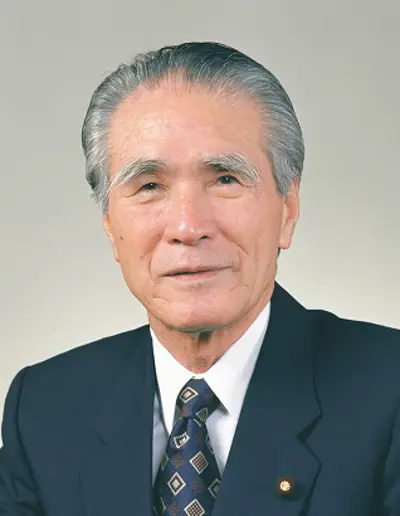
Tomiichi Murayama, Prime Minister of Japan, releases the Murayama Statement, which formally expresses remorse for Japanese war crimes committed during World War II.
Signing of the Assam Accord, an agreement between representatives of the Government of India and the leaders of the Assam Movement to end the movement.
Bangladeshi leader Sheikh Mujibur Rahman is killed along with most members of his family during a military coup.
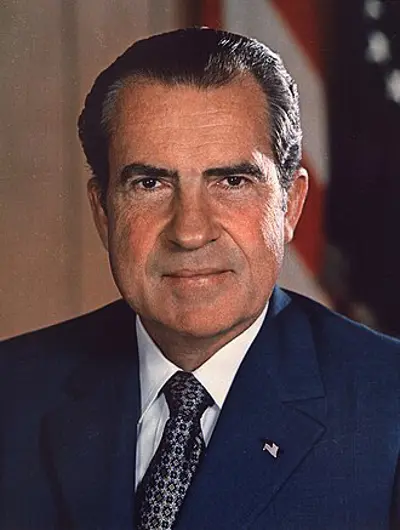
President Richard Nixon completes the break from the gold standard by ending convertibility of the United States dollar into gold by foreign investors.