Battle of Chalons: Flavius Aetius battles Attila the Hun
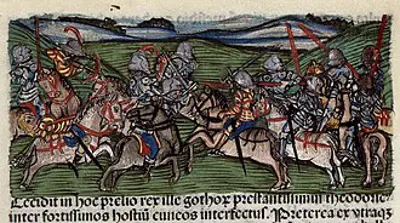
Battle of Chalons: Flavius Aetius battles Attila the Hun. After the battle, which was inconclusive, Attila retreats, causing the Romans to interpret it as a victory.
261 results for “Dominic Roma” — type: events (108 ms)
Battle of Chalons: Flavius Aetius battles Attila the Hun. After the battle, which was inconclusive, Attila retreats, causing the Romans to interpret it as a victory.
Henry VIII of England and Francis I of France sign the "Treaty of Closer Amity With France" (also known as the Pommeraye treaty), pledging mutual aid against Charles V, Holy Roman Emperor.
�ore his body is burnt on a pyre along with a copy of Voltaire's Dictionnaire philosophique nailed to his torso for the crime of not saluting a Roman Catholic religious procession in Abbeville, France.
The official opening of Constantine's Bridge built over the Danube between Sucidava (Corabia, Romania) and Oescus (Gigen, Bulgaria) by the Roman architect Theophilus Patricius.
Regulamentul Organic, a quasi-constitutional organic law is adopted in Wallachia, one of the two Danubian Principalities that were to become the basis of Romania.
Battle of Vítkov Hill, decisive victory of Czech Hussite forces commanded by Jan Žižka against Crusade army led by Sigismund, Holy Roman Emperor.
Siege of Jerusalem: Titus, son of emperor Vespasian, storms the Fortress of Antonia north of the Temple Mount. The Roman army is drawn into street fights with the Zealots.
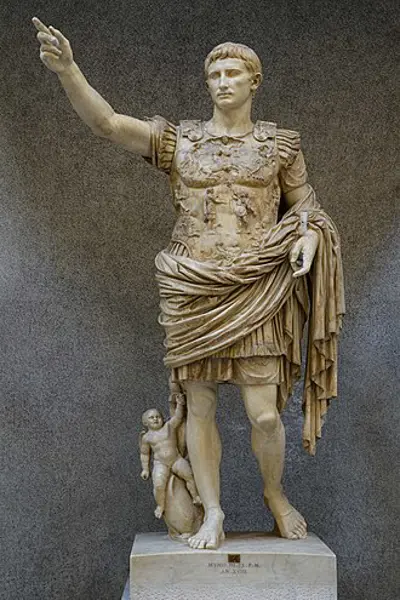
Octavian (later known as Augustus) enters Alexandria, Egypt, executes Marcus Antonius Antyllus, and brings the city under the control of the Roman Republic. (date is O.S.)
Deposed Ecumenical Patriarch of Constantinople Nestorius, considered the originator of Nestorianism, is exiled by Roman Emperor Theodosius II to a monastery in Egypt.
The Treaty of Noyon between France and Spain is signed. Francis I of France recognizes Charles's claim to Naples, and Charles V, Holy Roman Emperor, recognizes Francis's claim to Milan.
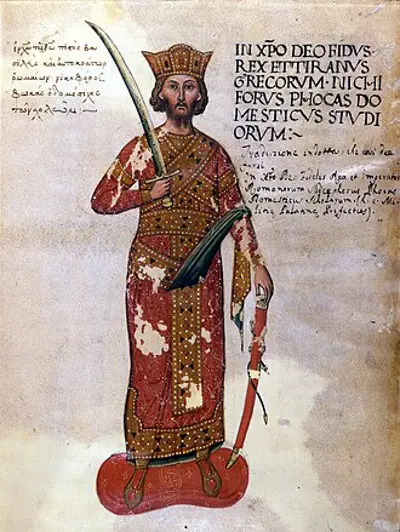
Nikephoros II Phokas is crowned emperor of the Byzantine Empire, swearing to protect the two sons of the previous emperor Romanos II, who are already crowned co-emperors.
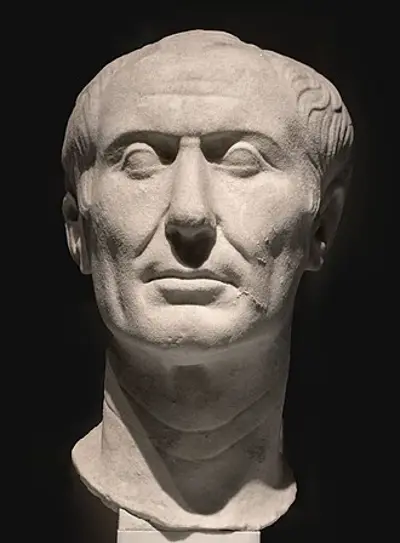
In the wake of the murder of Julius Caesar, his nephew and heir, Octavian, uses the threat of military force to compel the Roman Senate to elect him Consul.
�t troops invade Czechoslovakia, crushing the Prague Spring. East German participation is limited to a few specialists due to memories of the recent war. Only Albania and Romania refuse to participate.
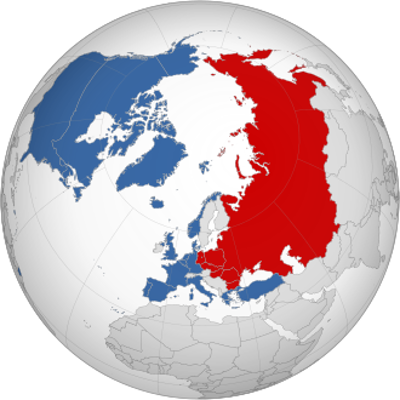
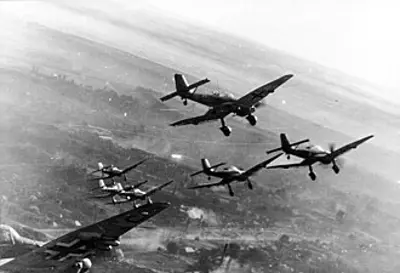
�the Soviet Union sign the Molotov–Ribbentrop Pact. In a secret protocol to the pact, Poland, Finland, Estonia, Latvia, Lithuania, and Romania are divided into German and Soviet "spheres of influence".
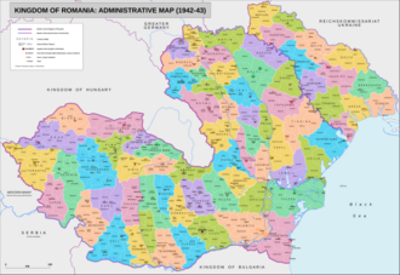
The Tighina Agreement, a treaty regarding administration issues of the Transnistria Governorate, is signed between Germany and Romania.
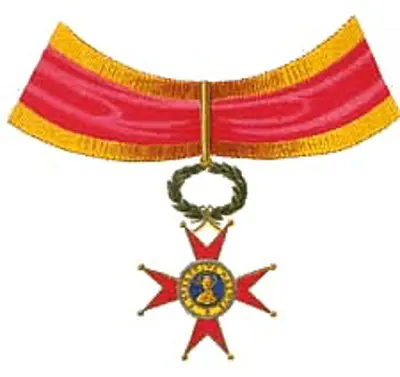
�r of St. Gregory the Great is established by Pope Gregory XVI of the Vatican State to recognize high support for the Vatican or for the Pope, by a man or a woman, and not necessarily a Roman Catholic.
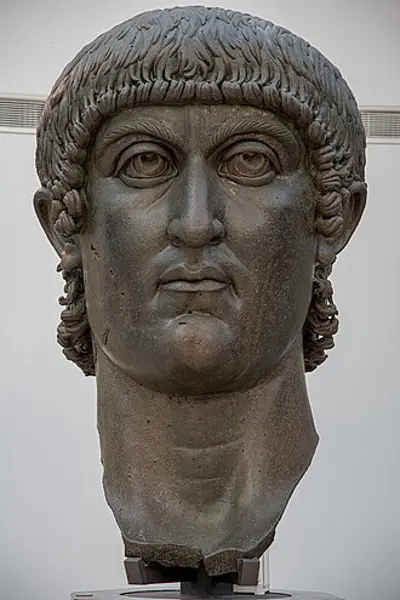
Constantine the Great decisively defeats Licinius in the Battle of Chrysopolis, establishing Constantine's sole control over the Roman Empire.
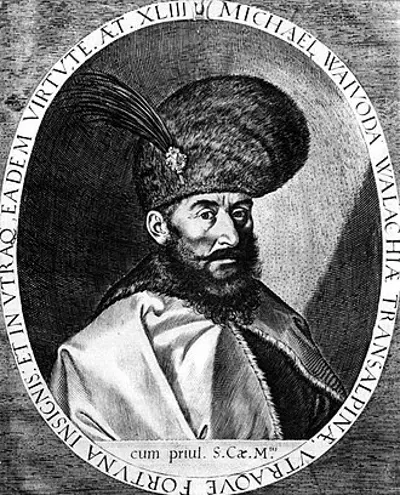
Michael the Brave, Prince of Wallachia, defeats the Army of Andrew Báthory in the Battle of Șelimbăr, leading to the first recorded unification of the Romanian people.
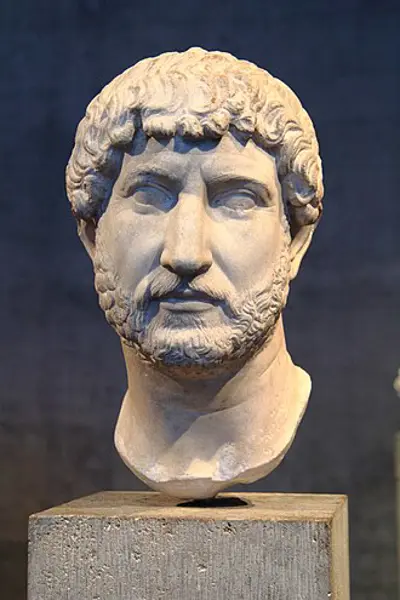
Emperor Hadrian establishes the city of Antinoöpolis on the Nile in honour of his companion Antinous, creating a new Hellenizing foundation in Roman Egypt.
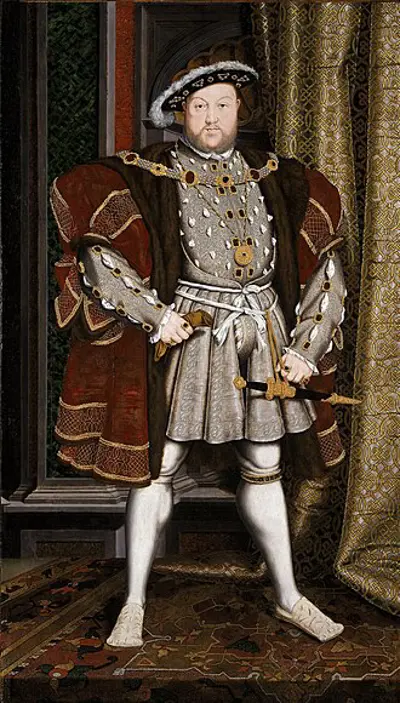
English Parliament passes the first Act of Supremacy, making King Henry VIII head of the Anglican Church, supplanting the pope and the Roman Catholic Church.