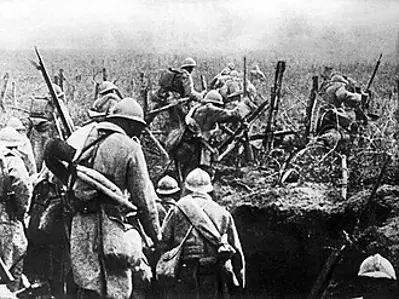
World War I: Germany signs an armistice agreement with the Allies in a railroad car in the forest of Compiègne.
30344 results for “Charles F. Hurley” (1214 ms)
World War I: Germany signs an armistice agreement with the Allies in a railroad car in the forest of Compiègne.
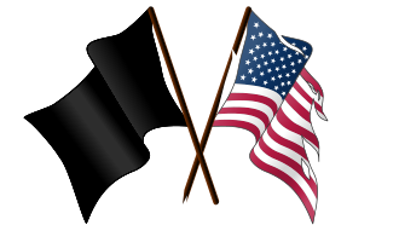
Józef Piłsudski assumes supreme military power in Poland – symbolic first day of Polish independence.
Many cities in the Midwestern United States break their record highs and lows on the same day as a strong cold front rolls through.
Four convicted anarchists were executed as a result of the Haymarket affair.
The Virginia Military Institute is founded in Lexington, Virginia.
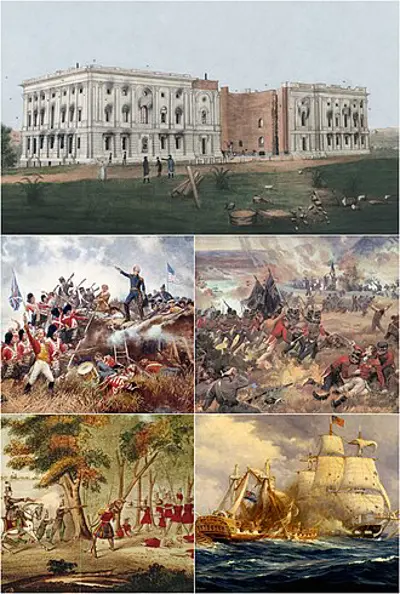
War of 1812: Battle of Crysler's Farm: British and Canadian forces defeat a larger American force, causing the Americans to abandon their Saint Lawrence campaign.
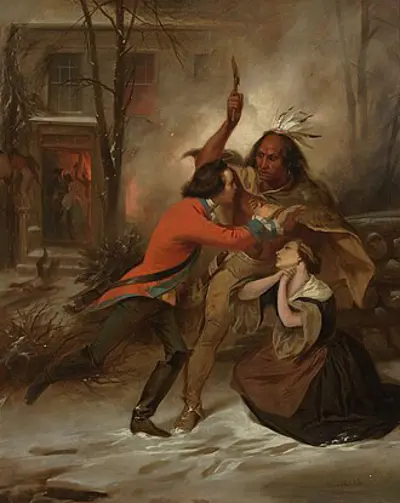
Cherry Valley massacre: Loyalists and Seneca Indian forces attack a fort and village in eastern New York during the American Revolutionary War, killing more than forty civilians and soldiers.
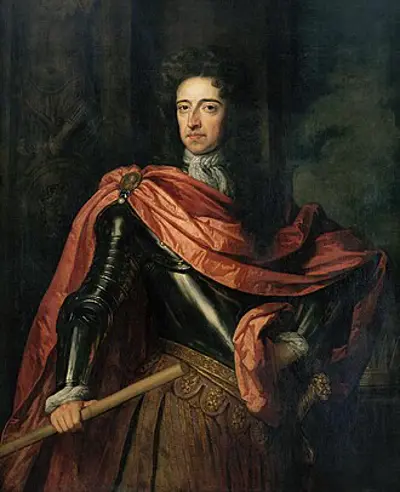
The Dutch invasion fleet of William of Orange departs from the Dutch Republic for the second time, beginning the 1688 invasion of England.
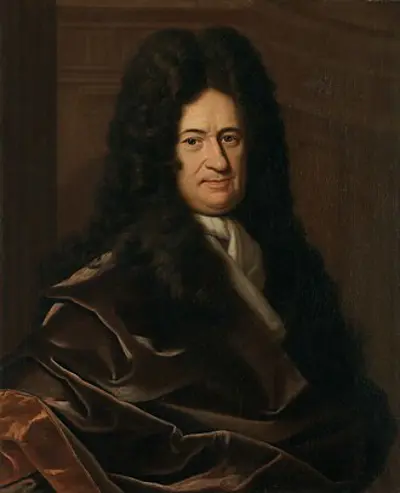
Gottfried Leibniz demonstrates integral calculus for the first time to find the area under the graph of y = ƒ(x).
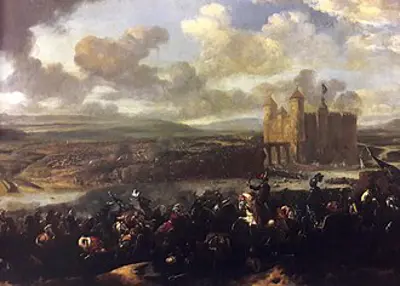
Second Battle of Khotyn in Ukraine: Polish–Lithuanian Commonwealth forces under the command of Jan Sobieski defeat the Ottoman army. In this battle, rockets made by Kazimierz Siemienowicz are success�
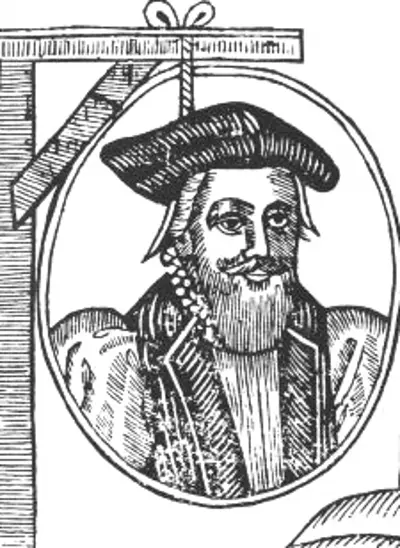
Following pressure from Anglican bishop John Atherton, the Irish House of Commons passes An Act for the Punishment for the Vice of Buggery.
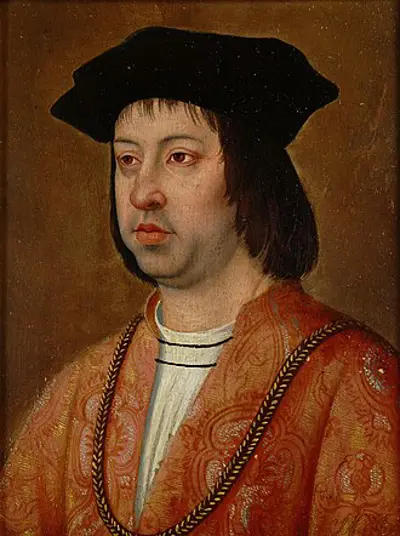
Treaty of Granada: Louis XII of France and Ferdinand II of Aragon agree to divide the Kingdom of Naples between them.
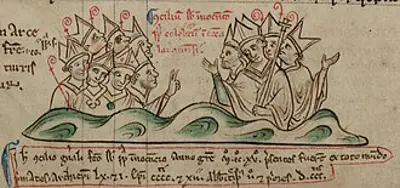
The Fourth Council of the Lateran meets, defining the doctrine of transubstantiation, the process by which bread and wine are, by that doctrine, said to transform into the body and blood of Christ.