Spencer Perceval was shot in the lobby of the House of Commons, becoming the only British prime minister to be assassina
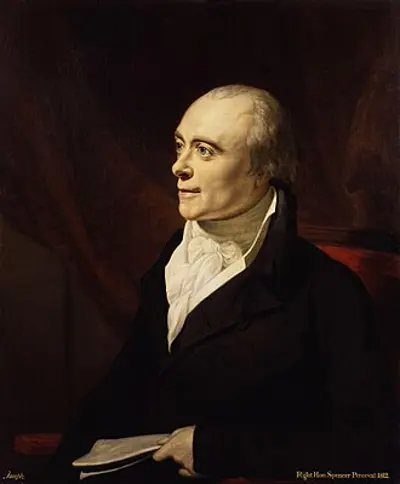
Spencer Perceval was shot in the lobby of the House of Commons, becoming the only British prime minister to be assassinated.
3240 results for “Samuel A. Davenport” — type: selected (1392 ms)
Spencer Perceval was shot in the lobby of the House of Commons, becoming the only British prime minister to be assassinated.
Syrian civil war: The Syrian Democratic Forces, assisted by the U.S. military, captured the Tabqa Dam and surrounding countryside, completing the Battle of Tabqa.
Vladimir Arutyunian attempted to assassinate U.S. president George W. Bush and Georgian president Mikheil Saakashvili in Tbilisi using a hand grenade, which failed to detonate.
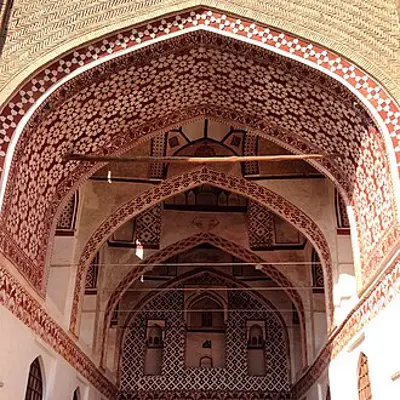
An earthquake registering 7.3 Mw struck near Qaen, Iran, killing at least 1,567 and leaving around 50,000 others homeless.
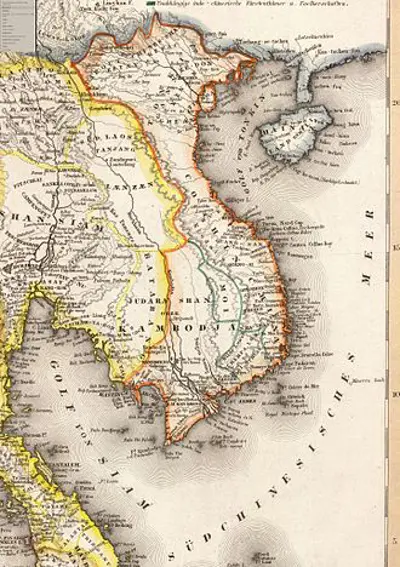
Siamese–Vietnamese wars: Lê Văn Khôi escaped from prison to begin a revolt against Emperor Minh Mạng, primarily to avenge his adoptive father, Vietnamese general Lê Văn Duyệt.
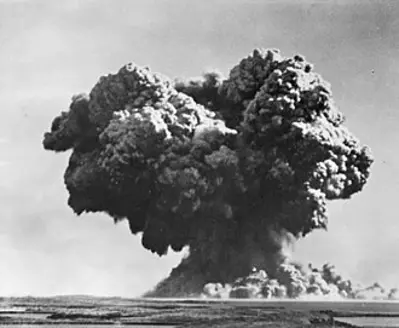
The United Kingdom publicly announced that it was independently developing nuclear weapons, after the US Atomic Energy Act of 1946 ended cooperation on the matter.
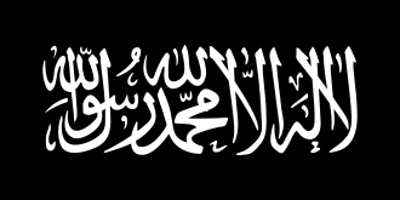
Nine bombs placed by the Indian Mujahideen, then an unknown terrorist group, exploded in a 15-minute period in Jaipur, India, killing 80 people and injuring more than 200 others.
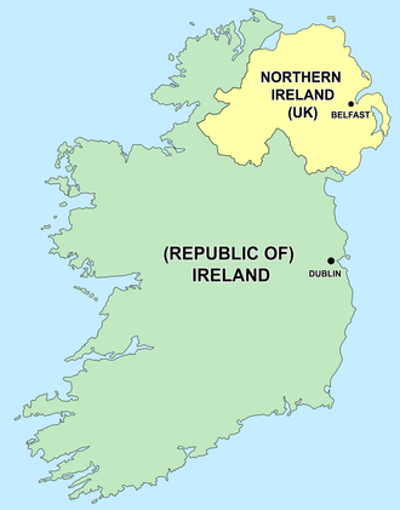
The Troubles: A car bomb planted by Ulster loyalists exploded outside a crowded pub in Belfast, Northern Ireland, beginning two days of gun battles between the British Army, the Provisional Irish Rep�
Sino-Malay race riots began in Kuala Lumpur, leaving at least 190 people dead, with the government declaring a state of emergency and suspending the Parliament of Malaysia until 1971.
The Russian inventor Igor Sikorsky flew the self-designed Russky Vityaz, the world's first four-engine fixed-wing aircraft.
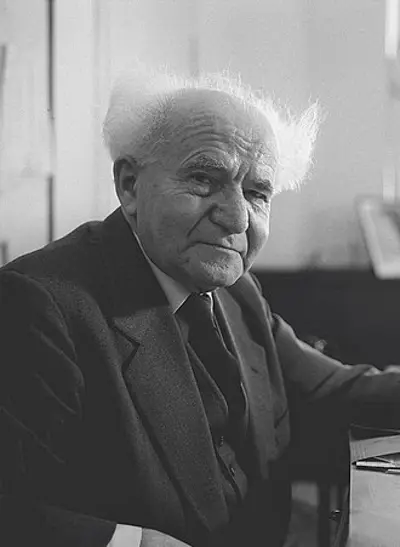
David Ben-Gurion publicly read the Israeli Declaration of Independence at a building later called Independence Hall in Tel Aviv.
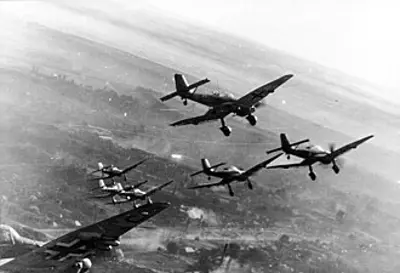
Second World War: Australian Hospital Ship Centaur was attacked and sunk by a Japanese submarine off the coast of Queensland, killing 268 people aboard.
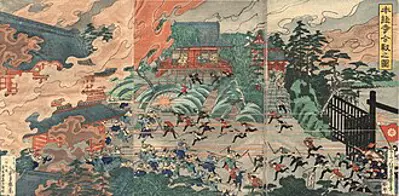
Boshin War: Troops of the Tokugawa shogunate withdrew from the Battle of Utsunomiya Castle and retreated north towards Nikkō and Aizu.
Major Henry C. Wayne arrived in Indianola, Texas, with 34 camels to form the short-lived United States Camel Corps (pictured).
J. S. Bach composed the cantata Gott fähret auf mit Jauchzen, BWV 43, (first page pictured) in Leipzig for the Feast of the Ascension.
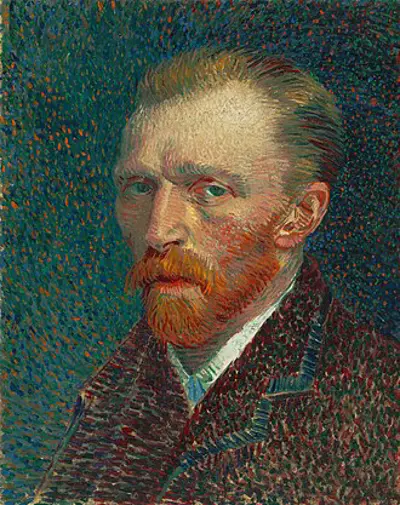
Vincent van Gogh's Portrait of Dr. Gachet was sold at auction at Christie's in New York for US$82.5 million, making it the world's most expensive painting at the time.
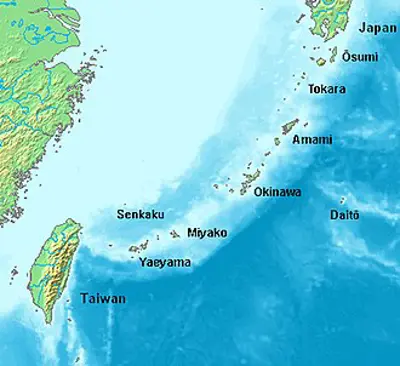
The Ryukyu Islands were returned to Japan by the United States, and the U.S. occupation government was abolished.
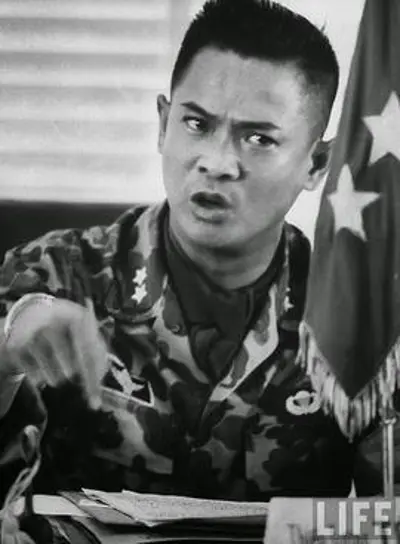
Disapproving of General Tôn Thất Đính's handling of the Buddhist Uprising, South Vietnamese prime minister Nguyễn Cao Kỳ ordered an attack on his forces and ousted Đính from his post.
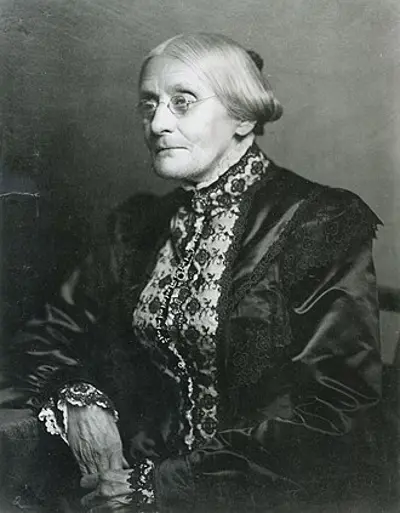
Susan B. Anthony and Elizabeth Cady Stanton founded the National Woman Suffrage Association, breaking away from the American Equal Rights Association which they had also previously founded.
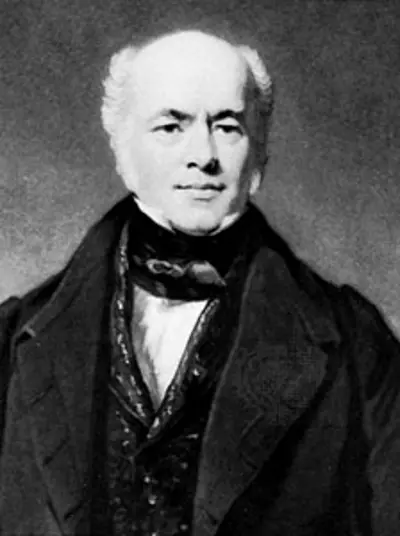
English astronomer Francis Baily observed Baily's beads (example pictured), a phenomenon during a solar eclipse in which the rugged topography of the lunar limb allows sunlight to shine through.