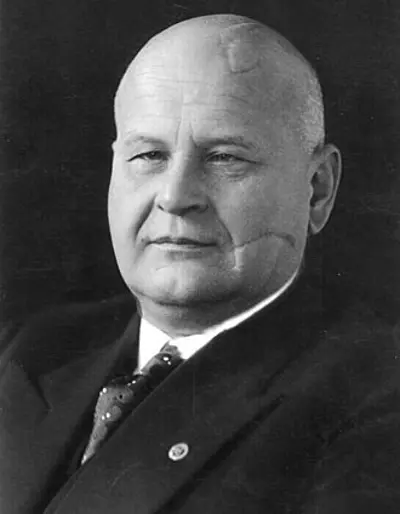
1946
Otto Georg Thierack, German jurist and politician, German Minister of Justice (born 1889)
Otto Georg Thierack, German jurist and politician, German Minister of Justice (born 1889)
4265 results for “Verena Sailer, German sprinter” (650 ms)
Otto Georg Thierack, German jurist and politician, German Minister of Justice (born 1889)
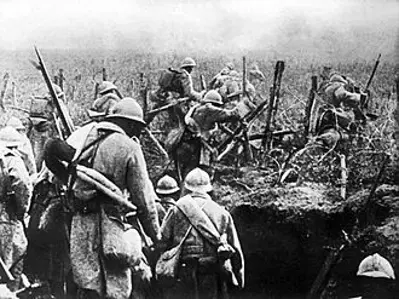
World War I: German submarine U-20 sinks RMS Lusitania, killing 1,199 people, including 128 Americans. Public reaction to the sinking turns many former pro-Germans in the United States against the Ger�
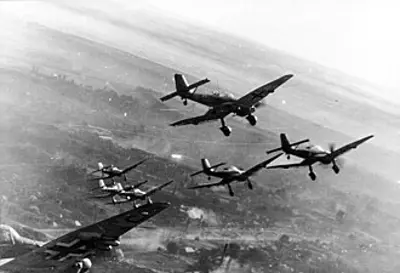
World War II: The German submarine U-110 is captured by the Royal Navy. On board is the latest Enigma machine which Allied cryptographers later use to break coded German messages.
Commemoration of the end of the German occupation of the Channel Islands related observances: Liberation Day, commemorating the end of the German occupation of the Channel Islands during World War II.�
The Protestant Union, a coalition of Protestant German states, is founded to defend the rights, land and safety of each member against the Catholic Church and Catholic German states.
World War I: Battle of Messines: Allied soldiers detonate a series of mines underneath German trenches at Messines Ridge, killing 10,000 German troops.

The Reichstag approves new legislation continuing Germany's naval expansion program, providing for construction of 38 battleships over a 20-year period. Germany's fleet would be the largest in the wor�
The Deutsche Mark is introduced in Western Allied-occupied Germany. The Soviet Military Administration in Germany responded by imposing the Berlin Blockade four days later.
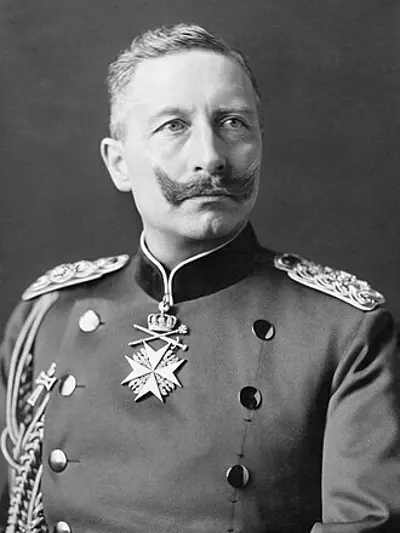
Kaiser Wilhelm II makes a speech comparing Germans to Huns; for years afterwards, "Hun" would be a disparaging name for Germans.
�t campaign: Two days after the United Kingdom had declared war on Germany over the German invasion of Belgium, ten German U-boats leave their base in Heligoland to attack Royal Navy warships in the No�
World War II: The German Luftwaffe launched an air operation, codenamed Adlertag, to destroy the British Royal Air Force; its failure indefinitely postponed the German invasion of the United Kingdom.
World War I: The German colony of Togoland surrenders to French and British forces after a 20-day campaign. Togoland is the first German colony to fall to Allied hands in World War I.
World War I: Leefe Robinson destroys the German airship Schütte-Lanz SL 11 over Cuffley, north of London; the first German airship to be shot down on British soil.
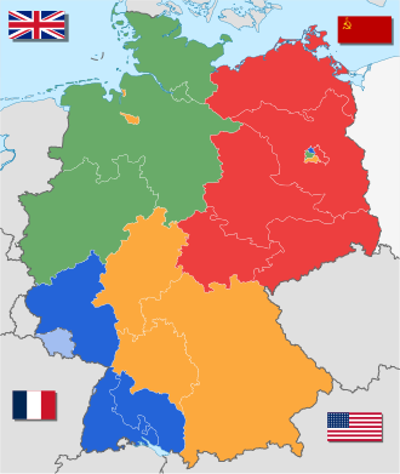
The two German states and the Four Powers sign the Treaty on the Final Settlement with Respect to Germany in Moscow, paving the way for German reunification.
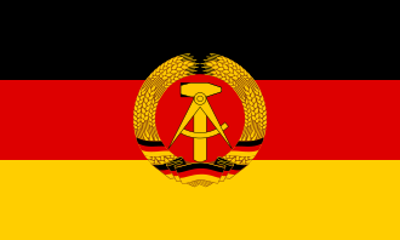
The German Democratic Republic is abolished and becomes part of the Federal Republic of Germany; the event is afterwards celebrated as German Unity Day.
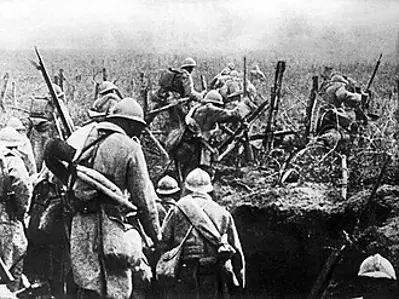
First World War: The Allies devastated the German defence at the Battle of Broodseinde, prompting a crisis among German commanders and causing a severe loss of morale in the 4th Army.

World War I: the German High Seas Fleet is incapacitated when sailors mutiny, an action which would trigger the German Revolution of 1918–19.

World War II: The Red Army begins the final assault on German forces around Berlin, with nearly one million troops fighting in the Battle of the Seelow Heights.
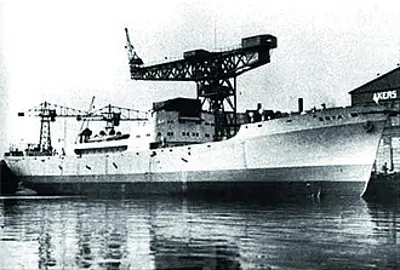
More than 7,000 die when the German transport ship Goya is sunk by a Soviet submarine.