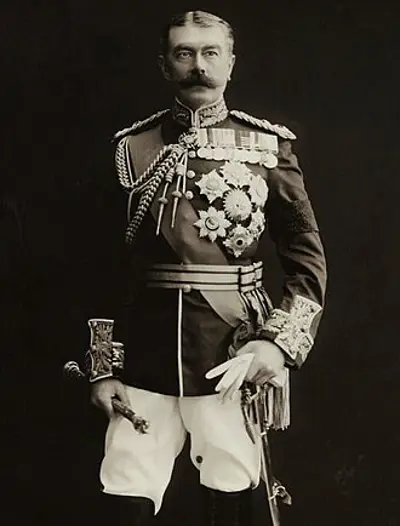
Herbert Kitchener, 1st Earl Kitchener, Irish-born British field marshal and politician, Secretary of State for War (born
Herbert Kitchener, 1st Earl Kitchener, Irish-born British field marshal and politician, Secretary of State for War (born 1850)
64780 results for “W. E. D. Ross” (4250 ms)
Herbert Kitchener, 1st Earl Kitchener, Irish-born British field marshal and politician, Secretary of State for War (born 1850)

Edmund Crouchback, English politician, Lord Warden of the Cinque Ports (born 1245)
At a speech at Harvard University, United States Secretary of State George Marshall called for economic aid to war-torn Europe, outlining a recovery program that became known as the Marshall Plan.
Punsalmaagiin Ochirbat wins the first presidential election in Mongolia.
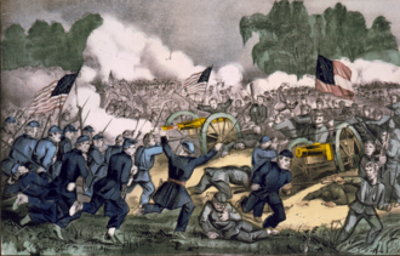
American Civil War: The First Battle of Memphis, a naval engagement fought on the Mississippi River, results in the capture of Memphis, Tennessee by Union forces from the Confederates.
Björn Borg, Swedish tennis player; winner of eleven Grand Slam singles titles including five consecutive Wimbledons
Peter Shaffer, English playwright and screenwriter; works included Equus and Amadeus (born 1926)
Lorna Wing, English psychiatrist and physician; pioneered studies of autism (born 1928)
Esther Williams, American swimmer and actress (born 1921)
American Civil War: The Union Army's victory in the First Battle of Memphis virtually eradicated the Confederate naval presence on the Mississippi River.
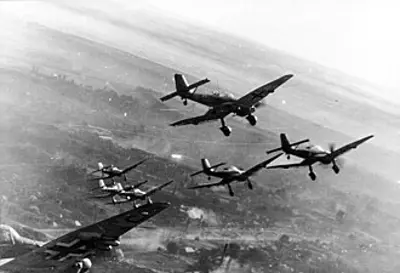
World War II: The Battle of Midway ends in American victory.
The Great Reform Act of England and Wales receives royal assent.
William Anders, American astronaut and lunar explorer (born 1933)
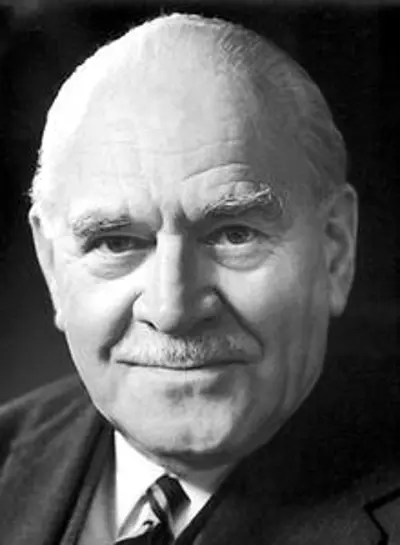
Ronald George Wreyford Norrish, English chemist and academic, Nobel Prize laureate (born 1897)
William Warburton, English bishop and critic (born 1698)
Thomas West, 3rd Baron De La Warr, English politician, Colonial Governor of Virginia (born 1577)
World War II: The completion of Operation Alphabet, the evacuation of Allied forces from Narvik at the end of the Norwegian campaign.
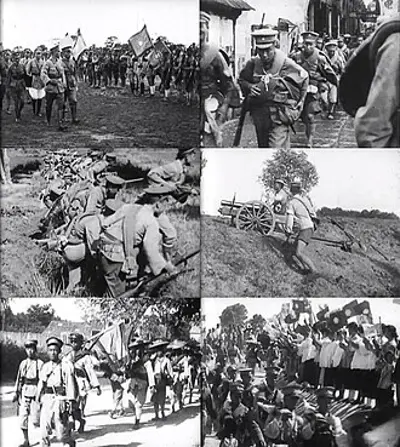
Second Northern Expedition: The National Revolutionary Army captures Beijing, whose name is changed to Beiping ("Northern Peace").
Laki, a volcano in Iceland, begins an eight-month eruption which kills over 9,000 people and starts a seven-year famine.
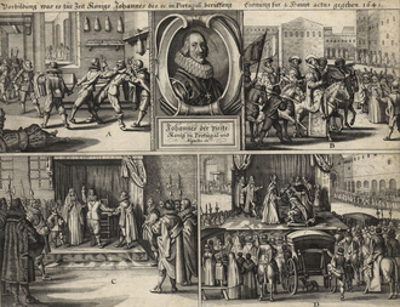
Portuguese Restoration War: Portuguese victory at the Battle of Ameixial ensures Portugal's independence from Spain.