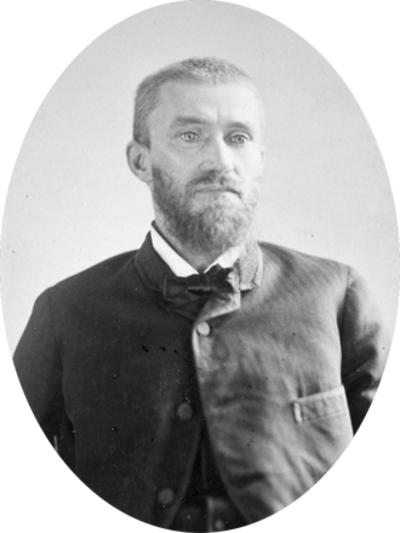
1882
Charles J
Charles J. Guiteau, American preacher and lawyer, assassin of James A. Garfield (born 1841)
30179 results for “William Fichtner, American actor” (1545 ms)
Charles J. Guiteau, American preacher and lawyer, assassin of James A. Garfield (born 1841)

Confederate forces were defeated by the Union Army on the last day of the Battle of Gettysburg (pictured), a turning point in the American Civil War.
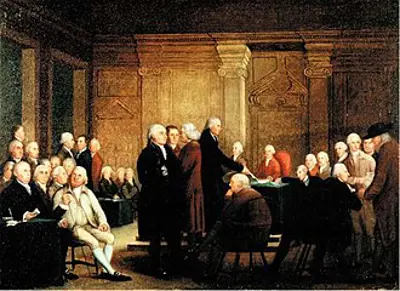
In Philadelphia, the Continental Congress adopted the Declaration of Independence (signing pictured), announcing that the thirteen American colonies were no longer a part of the British Empire.
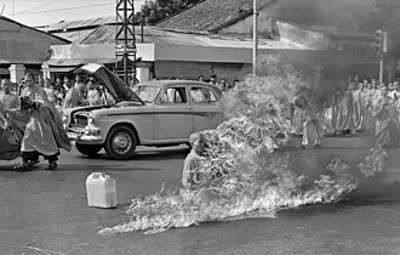
Buddhist crisis: Police commanded by Ngô Đình Nhu, brother and chief political adviser of South Vietnam President Ngo Dinh Diem, attacked a group of American journalists who were covering a protest.
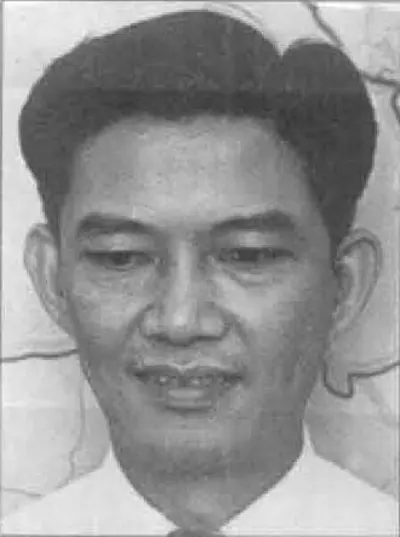
�olice of Ngô Đình Nhu, brother and chief political adviser of South Vietnamese president Ngô Đình Diệm, attacked a group of American journalists who were covering a protest during the Buddhist crisis.
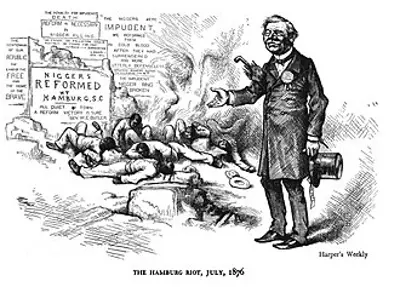
The Hamburg massacre prior to the 1876 United States presidential election results in the deaths of six African-Americans of the Republican Party, along with one white assailant.
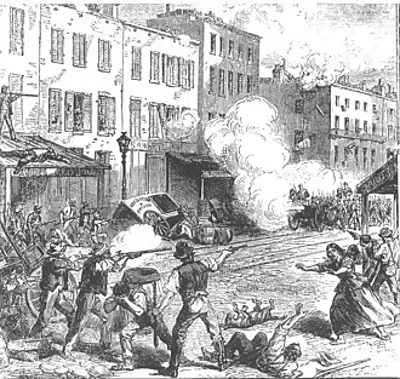
Four days of rioting began in New York City in response to laws passed by the U.S. Congress to draft men to fight in the American Civil War.

In Diamond, Missouri, the George Washington Carver National Monument becomes the first United States National Monument in honor of an African American.
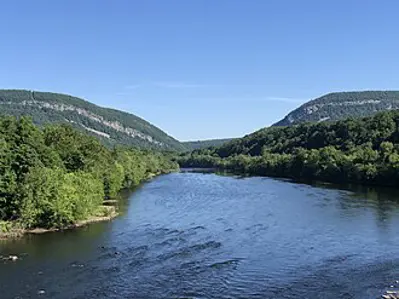
�the Delaware River in the United States, the First Order of the Arrow ceremony takes place and the Order of the Arrow is founded to honor American Boy Scouts who best exemplify the Scout Oath and Law.
�rench President François Mitterrand reveals the existence of the Farewell Dossier, a collection of documents showing the Soviet Union had been stealing American technological research and development.
�crew successfully makes the first human landing on the Moon in the Sea of Tranquility. Americans Neil Armstrong and Buzz Aldrin become the first humans to walk on the Moon six and a half hours later.
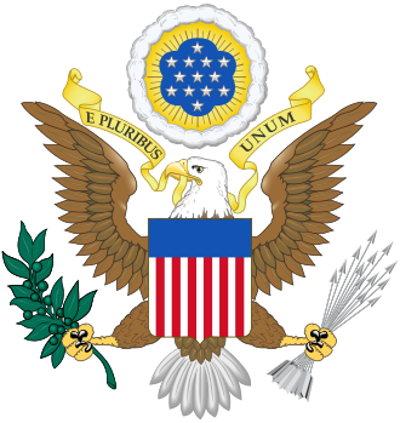
The United States Congress established the Indian Peace Commission to seek peace treaties with a number of Native American tribes.
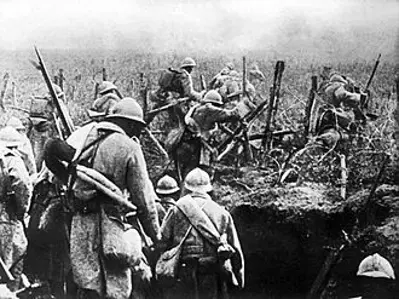
World War I: An Imperial German Navy U-boat opened fire on a small convoy of barges and defending aircraft near the American town of Orleans, Massachusetts.
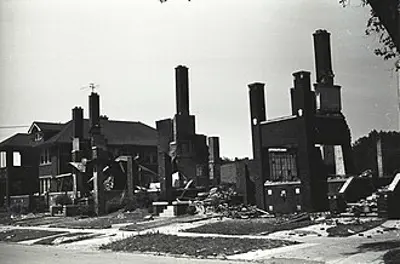
�oit, one of the worst riots in United States history begins on 12th Street in the predominantly African American inner city. It ultimately kills 43 people, injures 342 and burns about 1,400 buildings.
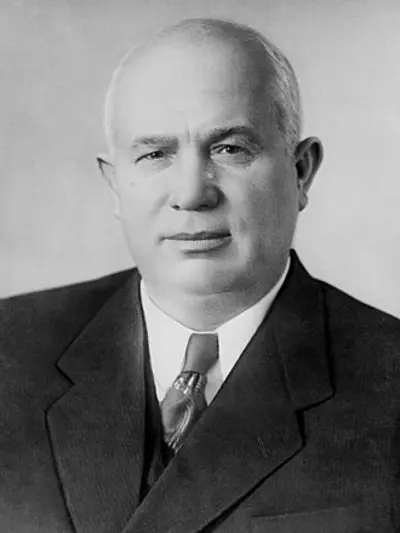
Soviet premier Nikita Khrushchev and U.S. vice president Richard Nixon held an impromptu debate (pictured) at the opening of the American National Exhibition at Sokolniki Park in Moscow.
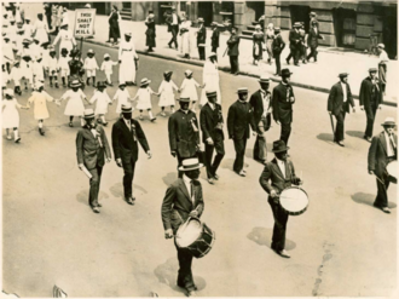
Anti-lynching movement: The Silent Parade takes place in New York City, in protest against murders, lynchings, and other violence directed towards African Americans.
In New York City, the NAACP and church and community leaders organized a silent march of at least 8,000 people to protest violence directed towards African Americans.
The Second Continental Congress passed a resolution commissioning the Marquis de Lafayette (pictured) as a major general in the American revolutionary forces.
Harvard University wins the first Boat Race between Yale University and Harvard. The race is also known as the first ever American intercollegiate athletic event.