1967
Cold War: U
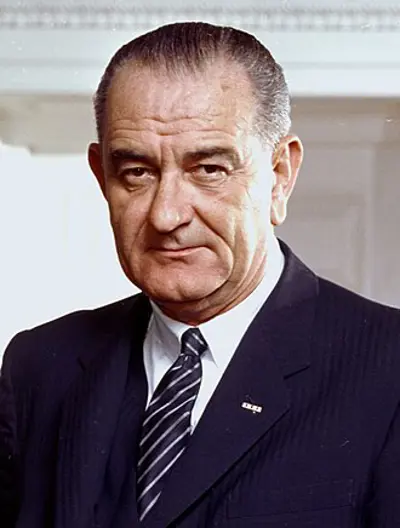
Cold War: U.S. President Lyndon B. Johnson meets with Soviet Premier Alexei Kosygin in Glassboro, New Jersey for the three-day Glassboro Summit Conference.
10129 results for “W. E. D. Ross” — type: events (3210 ms)
Cold War: U.S. President Lyndon B. Johnson meets with Soviet Premier Alexei Kosygin in Glassboro, New Jersey for the three-day Glassboro Summit Conference.
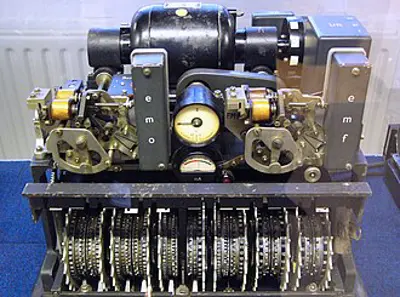
Cold War: Two cryptographers working for the United States National Security Agency left for vacation to Mexico, and from there defected to the Soviet Union.
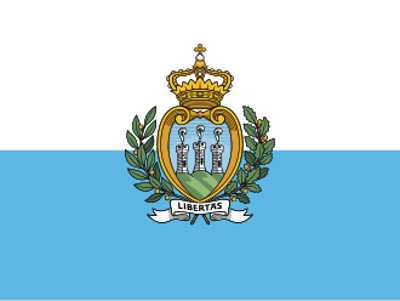
World War II: San Marino, a neutral state, is mistakenly bombed by the RAF based on faulty information, leading to 35 civilian deaths.
World War I: Allied forces under John J. Pershing and James Harbord defeat Imperial German forces under Wilhelm, German Crown Prince in the Battle of Belleau Wood.
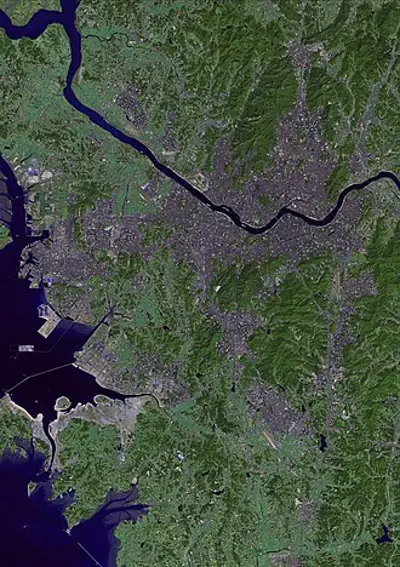
�ith its own refugees fleeing Seoul and leaving their 5th Division stranded, South Korean forces blow up the Hangang Bridge in an attempt to slow North Korea's offensive. The city falls later that day.
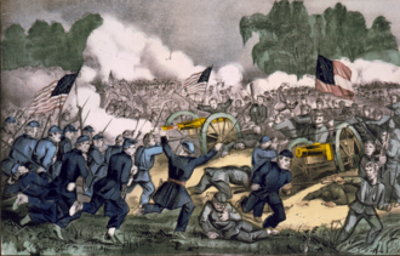
American Civil War: Siege of Vicksburg: The Confederate army in Vicksburg, Mississippi surrenders to Union forces under Ulysses S. Grant after 47 days of siege, contributing to the Union capture of t�
Scotland and France conclude the treaty of Haddington in response to the "rough wooing". According to the treaty, the five-year old Mary, Queen of Scots, is to marry the Dauphin of France.
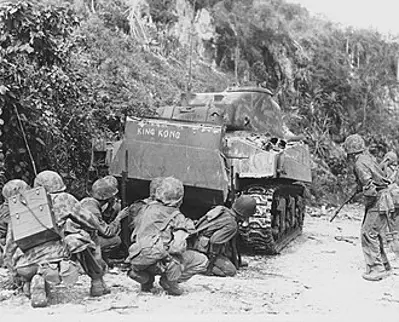
World War II: American forces take Saipan, bringing the Japanese archipelago within range of B-29 raids, and causing the downfall of the Tojo government.
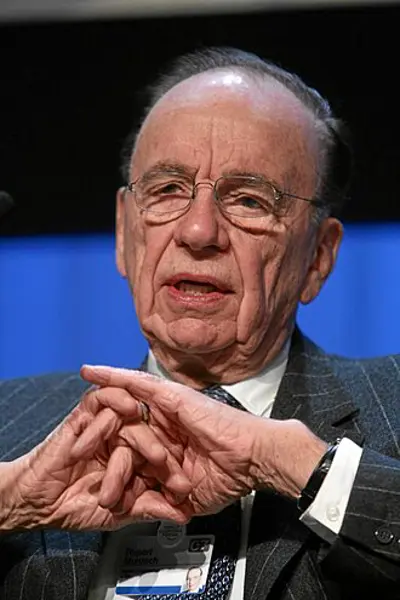
Amid widespread backlash to revelations of phone hacking, the British weekly tabloid newspaper News of the World publishes its final issue and shuts down after nearly 168 years in print.
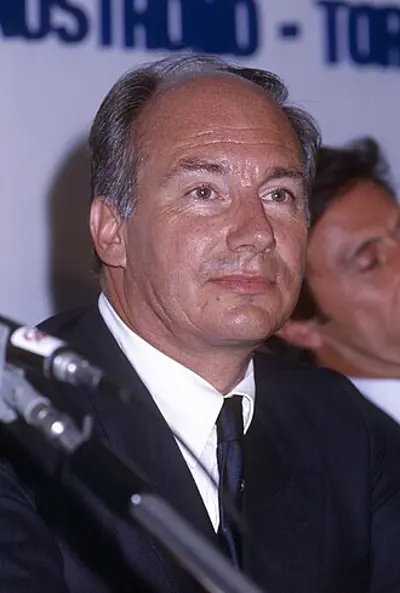
Prince Karim Husseini Aga Khan IV inherits the office of Imamat as the 49th Imam of Shia Imami Ismai'li worldwide, after the death of Sir Sultan Mahommed Shah Aga Khan III.
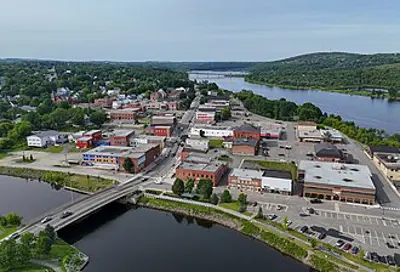
A riot occurs in Woodstock, New Brunswick, between Catholics and members of the Orange Order that results in up to ten deaths.
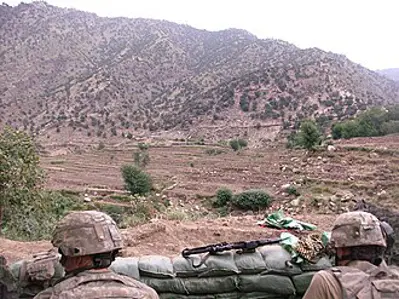
Battle of Wanat begins when Taliban and al-Qaeda guerrillas attack US Army and Afghan National Army troops in Afghanistan. The U.S. deaths were, at that time, the most in a single battle since the be�
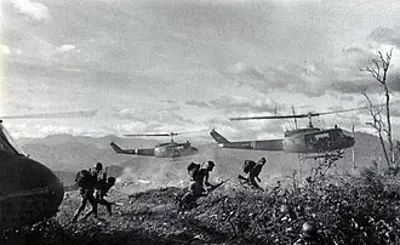
Vietnam War: The United States and South Vietnam begin Operation Hastings to push the North Vietnamese out of the Vietnamese Demilitarized Zone.
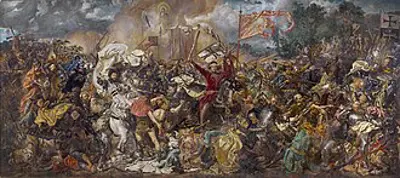
Polish–Lithuanian–Teutonic War: Battle of Grunwald: The allied forces of the Kingdom of Poland and the Grand Duchy of Lithuania defeat the army of the Teutonic Order.
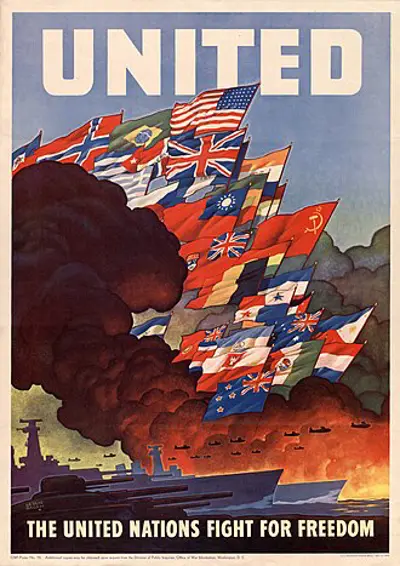
World War II: The main three leaders of the Allied nations, Winston Churchill, Harry S. Truman and Joseph Stalin, hold the Potsdam Conference in the German city of Potsdam to decide the future of a d�
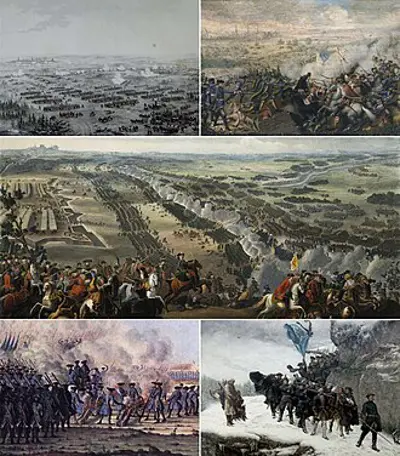
�ish-Saxon army of Augustus II the Strong, operating from an advantageous defensive position, is defeated by a Swedish army half its size under the command of King Charles XII in the Battle of Klissow.
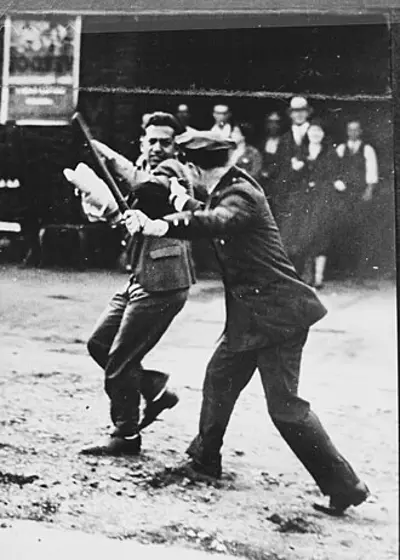
West Coast waterfront strike: In Seattle, police fire tear gas on and club 2,000 striking longshoremen. The governor of Oregon calls out the National Guard to break a strike on the Portland docks.
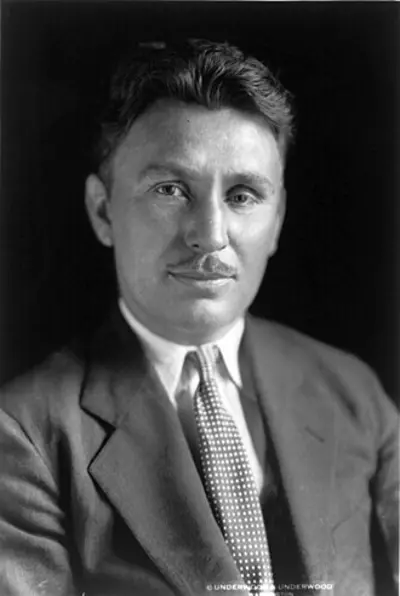
Aviator Wiley Post returns to Floyd Bennett Field in New York City, completing the first solo flight around the world in seven days, 18 hours and 49 minutes.
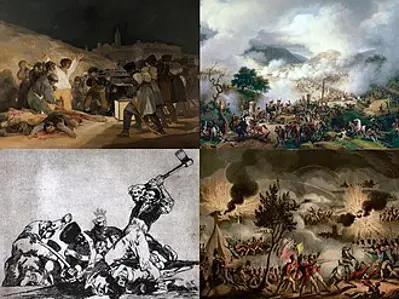
Napoleonic Wars: Peninsular War: Battle of Salamanca: British forces led by Arthur Wellesley (later the Duke of Wellington) defeat French troops near Salamanca, Spain.
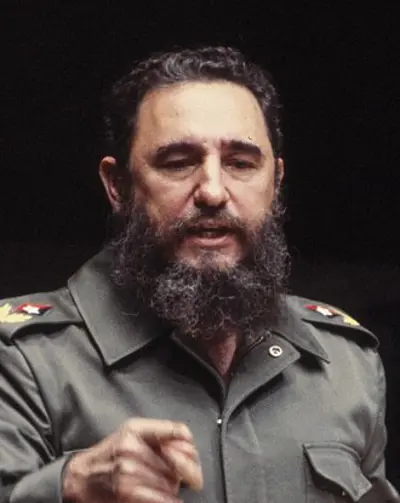
Cold War: Fidel Castro leads an unsuccessful attack on the Moncada Barracks, thus beginning the Cuban Revolution. The movement took the name of the date: 26th of July Movement