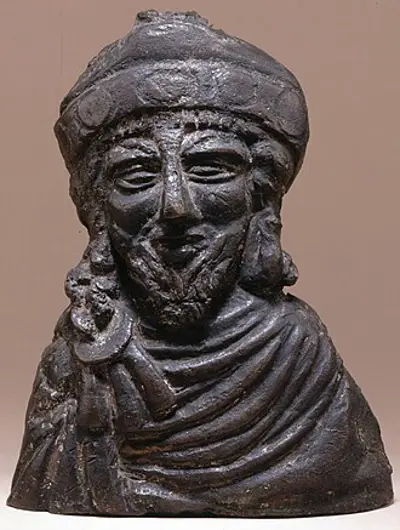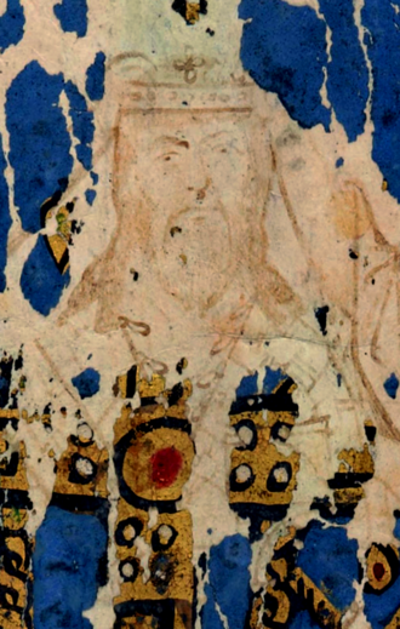
Basil I is crowned Byzantine emperor in the Hagia Sophia after he murdered the previous emperor Michael III in the…
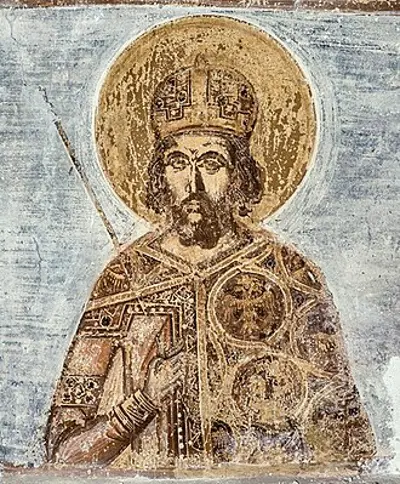
Basil I is crowned Byzantine emperor in the Hagia Sophia after he murdered the previous emperor Michael III in the night before.
10129 results for “W. E. D. Ross” — type: events (3001 ms)
Basil I is crowned Byzantine emperor in the Hagia Sophia after he murdered the previous emperor Michael III in the night before.
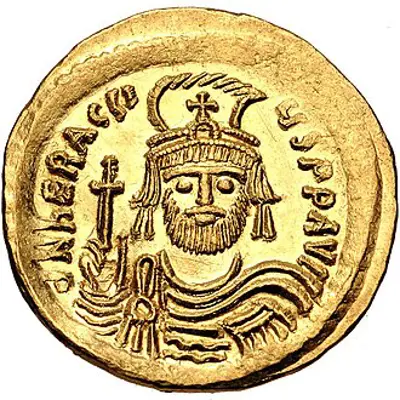
Heraclius arrives at Constantinople, kills Byzantine Emperor Phocas, and becomes emperor.
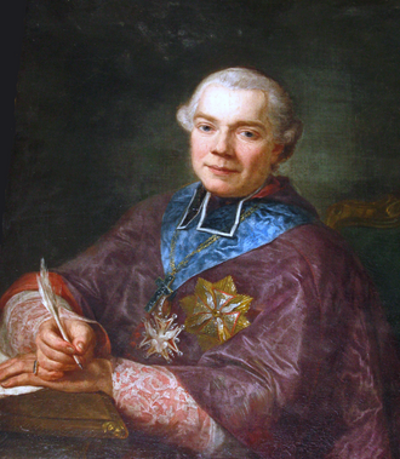
The first recorded ministry of education, the Commission of National Education, is formed in the Polish–Lithuanian Commonwealth.
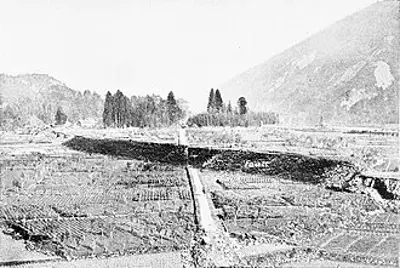
The Mino–Owari earthquake, the largest inland earthquake in Japan's history, occurs.
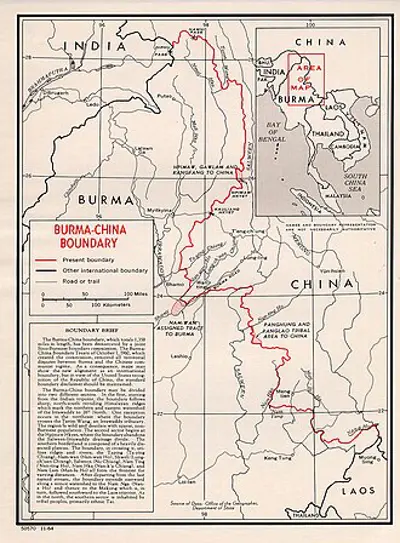
Lancang–Gengma earthquakes: At least 730 are killed after two powerful earthquakes rock the China–Myanmar border in Yunnan Province.
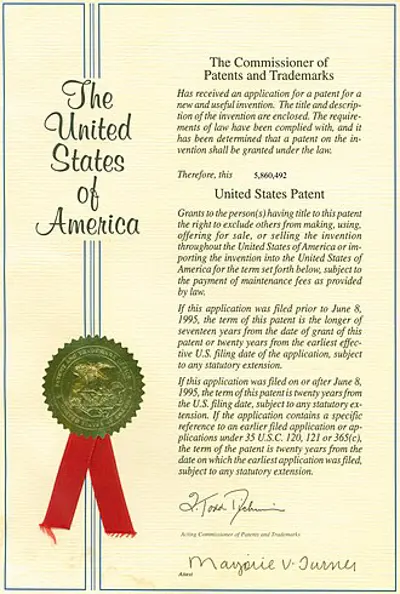
Patent number US1781541 is awarded to Albert Einstein and Leó Szilárd for their invention, the Einstein refrigerator.
Future Byzantine empress Zoe takes the throne as empress consort to Romanos III Argyros.
Phocas is crowned Byzantine emperor after a rebellion of the Thracian army against reigning emperor Maurice and after Phocas' rival Germanus has been rebuffed by the Greens.
René Caillié becomes the second non-Muslim to enter Timbuktu, following Major Gordon Laing. He would also be the first to return alive.
The Seattle World's Fair (Century 21 Exposition) opens. It is the first World's Fair in the United States since World War II.
The Bandung Conference ends: Twenty-nine non-aligned nations of Asia and Africa finish a meeting that condemns colonialism, racism, and the Cold War.
John Ehrlichman, a former aide to U.S. President Richard Nixon, is released from the Federal Correctional Institution, Safford, Arizona, after serving 18 months for Watergate-related crimes.
Establishment of the Pontifical and Royal University of Santo Tomas, the Catholic University of the Philippines and the largest Catholic university in the world.
The Chemical Weapons Convention of 1993 enters into force, outlawing the production, stockpiling and use of chemical weapons by its signatories.
The International Military Tribunal for the Far East convenes and indicts former Prime Minister of Japan Hideki Tojo and 28 former Japanese leaders for war crimes.
The Parliament of the United Kingdom passes the People's Budget, the first budget in British history with the expressed intent of redistributing wealth among the British public.
A pastel version of The Scream, by Norwegian painter Edvard Munch, sells for $120 million in a New York City auction, setting a new world record for a work of art at auction.
The International Military Tribunal for the Far East begins in Tokyo with twenty-eight Japanese military and government officials accused of war crimes and crimes against humanity.
King Henry VIII orders English-language Bibles be placed in every church. In 1539 the Great Bible would be provided for this purpose.
Edward George Honey proposes the idea of a moment of silence to commemorate the Armistice of 11 November 1918 which ended World War I.