1756
The Seven Years' War begins when Great Britain declares war on France
The Seven Years' War begins when Great Britain declares war on France.
2966 results for “War of the First Coalition: Napoleon Bonaparte conquers Venice” — type: events (266 ms)
The Seven Years' War begins when Great Britain declares war on France.
Mexican–American War: Mexico ratifies the Treaty of Guadalupe Hidalgo thus ending the war and ceding California, Nevada, Utah and parts of four other modern-day U.S. states to the United States for US�
Mexican–American War: President Mariano Paredes of Mexico unofficially declares war on the United States.
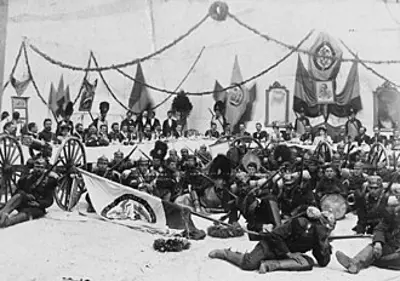
Thousand Days' War: The Colombian Conservative Party turns the tide of war in their favor with victory against the Colombian Liberal Party in the Battle of Palonegro.
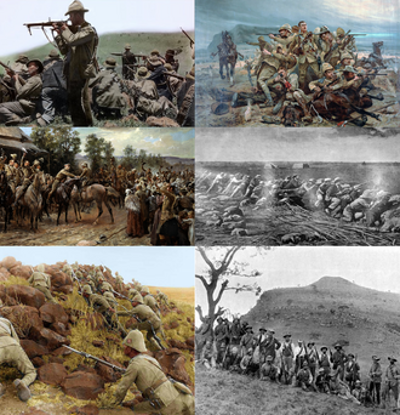
Second Boer War: The Treaty of Vereeniging ends the war and ensures British control of South Africa.
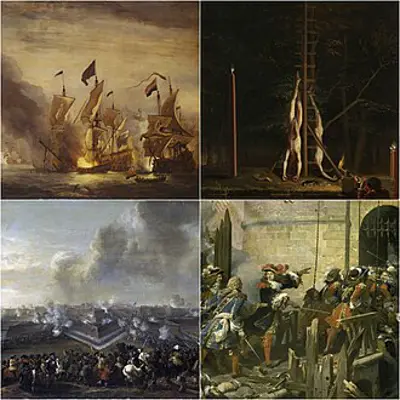
Franco-Dutch War: France ensured the supremacy of its naval fleet for the remainder of the war with its victory in the Battle of Palermo.

World War II: The United States declares war on Bulgaria, Hungary, and Romania.
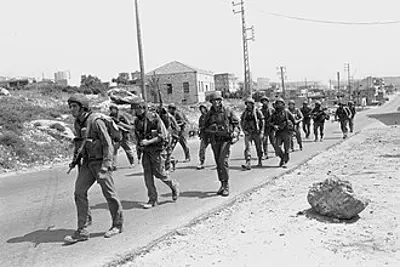
1982 Lebanon War: The war begins as forces under Israeli Defense Minister Ariel Sharon invade southern Lebanon during Operation Peace for the Galilee, eventually reaching as far north as the capital B�
War of 1812: In the Battle of Stoney Creek, considered a critical turning point in the war, a British force of 700 under John Vincent defeats an American force twice its size under William Winder and�
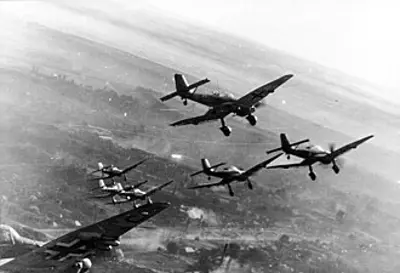
World War II: Fascist Italy declares war on France and the United Kingdom, beginning an invasion of southern France.
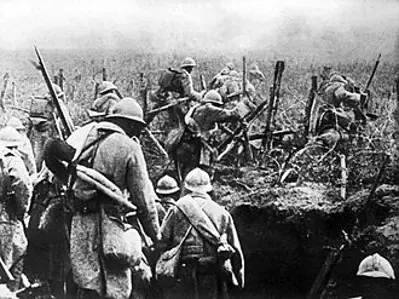
World War I: The deadliest German air raid on London of the war is carried out by Gotha G.IV bombers and results in 162 deaths, including 46 children, and 432 injuries.
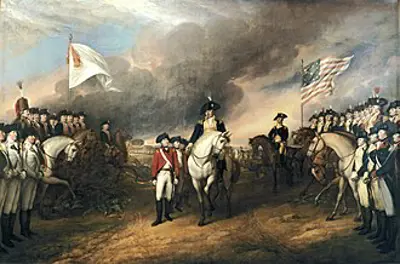
American Revolutionary War: Spain declares war on the Kingdom of Great Britain, and the Great Siege of Gibraltar begins.
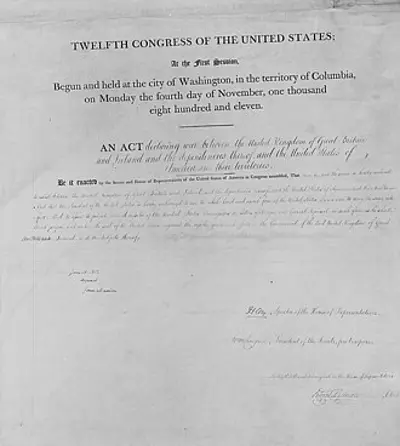
The United States declaration of war upon the United Kingdom is signed by President James Madison, beginning the War of 1812.
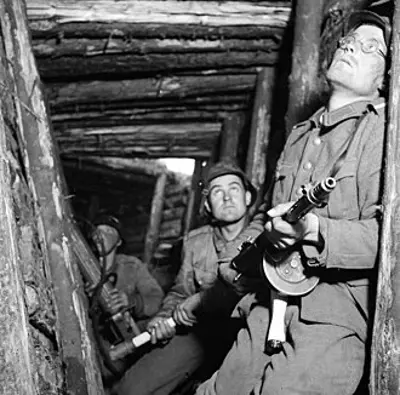
World War II: During the Continuation War, the Soviet Union demands unconditional surrender from Finland during the beginning of partially successful Vyborg–Petrozavodsk Offensive. The Finnish governm�
World War II: The Continuation War between the Soviet Union and Finland, supported by Nazi Germany, began.
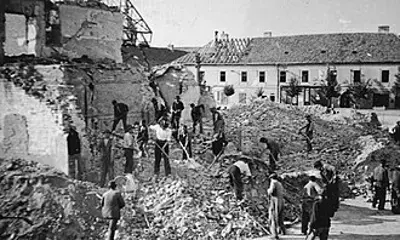
World War II: Soviet planes bomb Kassa, Hungary (now Košice, Slovakia), giving Hungary the impetus to declare war the next day.
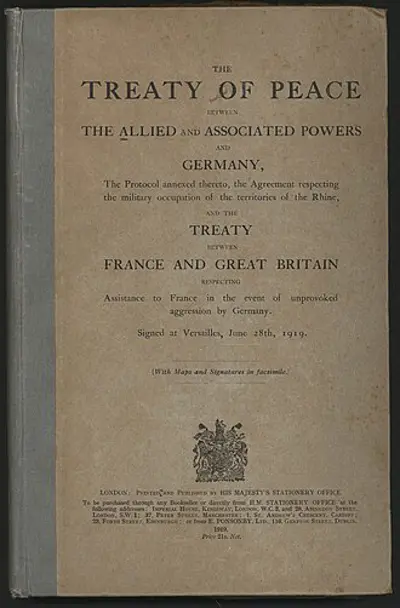
The Treaty of Versailles is signed, ending the state of war between Germany and the Allies of World War I.
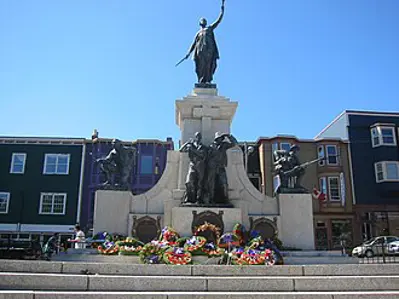
At the centennial ceremony of the Dominion of Newfoundland National War Memorial, the Commonwealth War Graves Commission allowed an unprecedented second Canadian Tomb of the Unknown Soldier. The Royal�
World War I: Russia launches an offensive against Austria-Hungary to capture Galicia, its final offensive of the war.
World War I: U.S. President Warren G. Harding signs the Knox–Porter Resolution formally ending the war between the United States and Germany.