The United States Supreme Court hands down a unanimous decision in Brown v
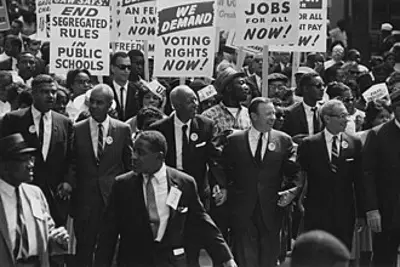
The United States Supreme Court hands down a unanimous decision in Brown v. Board of Education of Topeka, Kansas, outlawing racial segregation in public schools.
3925 results for “Matt O'Riley” — type: events (670 ms)
The United States Supreme Court hands down a unanimous decision in Brown v. Board of Education of Topeka, Kansas, outlawing racial segregation in public schools.
Riots in Nørrebro, Copenhagen, caused by the approval of the four Danish exceptions in the Maastricht Treaty referendum. Police open fire against civilians for the first time since World War II and i�
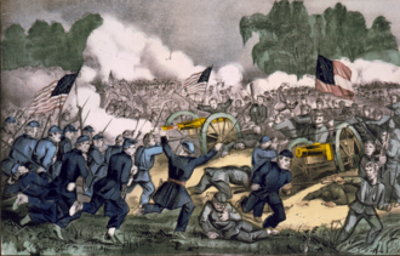
American Civil War: Union forces under Ulysses S. Grant begin the Siege of Vicksburg during the Vicksburg campaign in order to take full control of the Mississippi River.
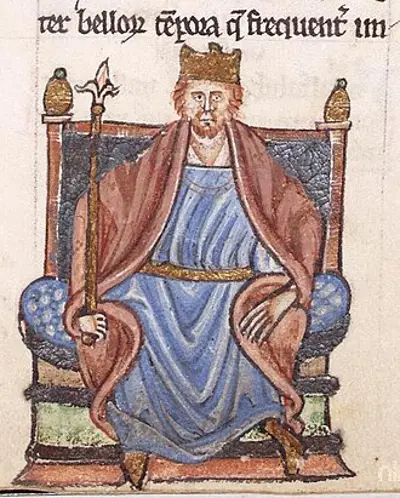
The future Henry II of England marries Eleanor of Aquitaine. He would become king two years later, after the death of his cousin once removed King Stephen of England.
The first regularly scheduled transatlantic flights begin between Idlewild Airport (now John F Kennedy International Airport) in New York City and Heathrow Airport in London, operated by El Al Israel�
The Sedition Act of 1918 is passed by the U.S. Congress, making criticism of the government during wartime an imprisonable offense. It will be repealed less than two years later.
The United Kingdom of Great Britain and Ireland and the French Third Republic sign the secret wartime Sykes-Picot Agreement partitioning former Ottoman territories such as Iraq and Syria.
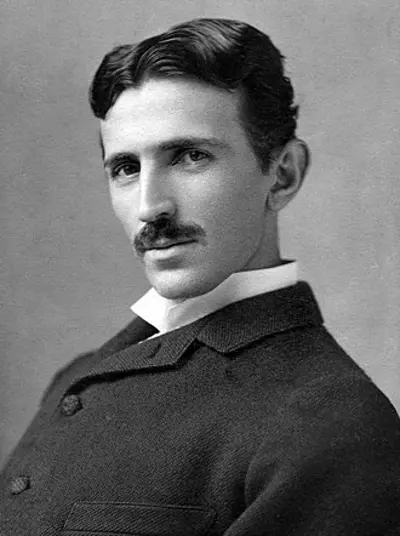
Nikola Tesla delivers a lecture describing the equipment which will allow efficient generation and use of alternating currents to transmit electric power over long distances.
Imperial Russia signs the Treaty of Bucharest, ending the Russo-Turkish War. The Ottoman Empire cedes Bessarabia to Russia.
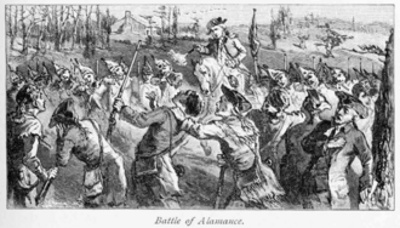
The Battle of Alamance, a pre-American Revolutionary War battle between local militia and a group of rebels called The "Regulators", occurs in present-day Alamance County, North Carolina.
Mexican–American War: Mexico ratifies the Treaty of Guadalupe Hidalgo thus ending the war and ceding California, Nevada, Utah and parts of four other modern-day U.S. states to the United States for U�
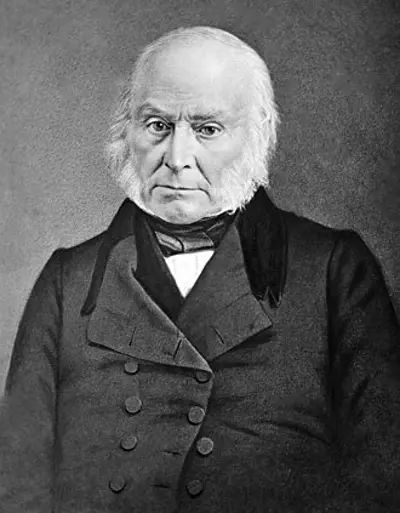
U.S. President John Quincy Adams signs the Tariff of 1828 into law, sparking outrage in the South and leading to the Nullification crisis.
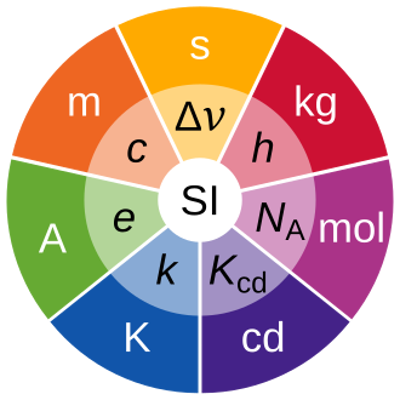
The International System of Units (SI): The base units are redefined, making the international prototype of the kilogram obsolete.
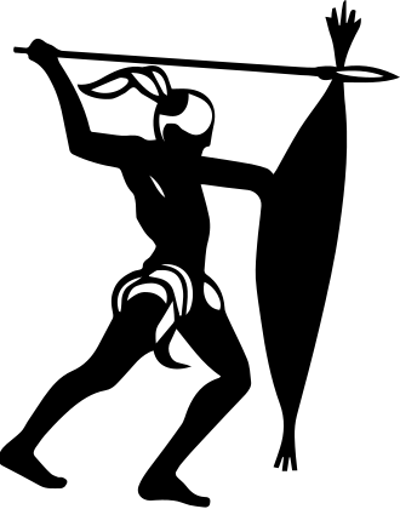
Church Street bombing: A car bomb planted by UMkhonto we Sizwe explodes on Church Street in South Africa's capital, Pretoria, killing 19 people and injuring 217 others.
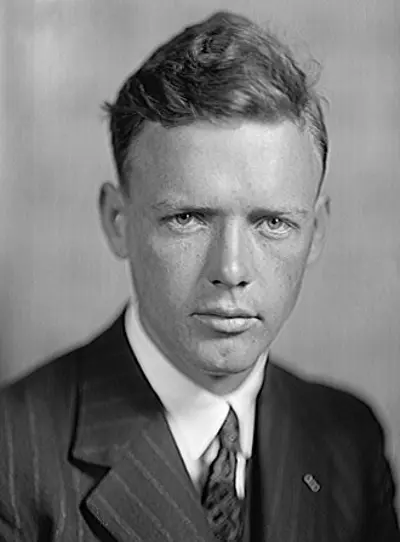
Charles Lindbergh takes off for Paris from Roosevelt Field in Long Island, N.Y., aboard the Spirit of St. Louis on the first nonstop solo flight across the Atlantic Ocean, landing 33+1⁄2 hours later.
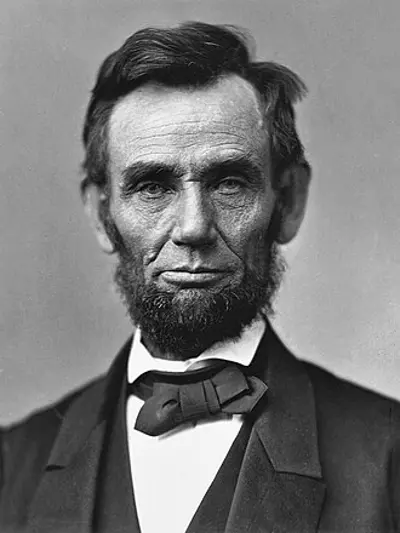
U.S. President Abraham Lincoln signs the Homestead Act into law, opening eighty-four million acres (340,000 km2) of public land to settlers.
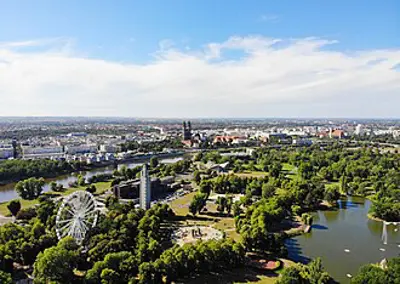
The city of Magdeburg in Germany is seized by forces of the Holy Roman Empire and most of its inhabitants massacred, in one of the bloodiest incidents of the Thirty Years' War.
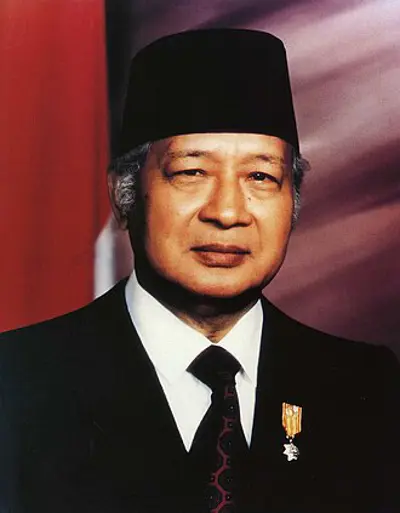
President Suharto of Indonesia resigns following the killing of students from Trisakti University earlier that week by security forces and growing mass protests in Jakarta against his ongoing corrupt�
American civil rights movement: Alabama Governor John Malcolm Patterson declares martial law in an attempt to restore order after race riots break out.
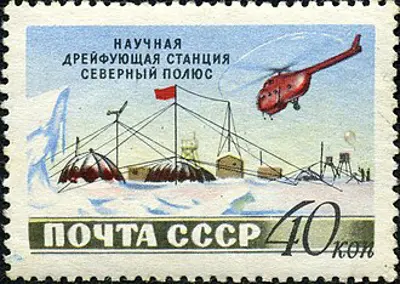
A Soviet station, North Pole-1, becomes the first scientific research settlement to operate on the drift ice of the Arctic Ocean.