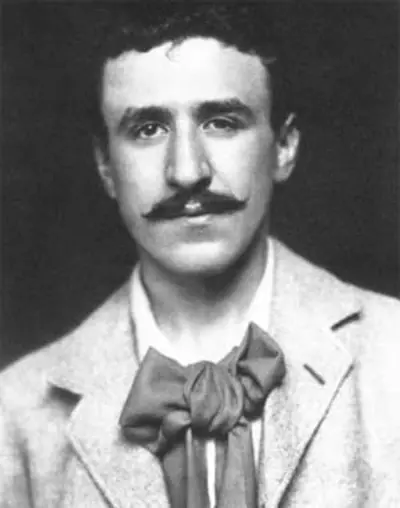
1868
Charles Rennie Mackintosh, Scottish painter and architect (died 1928)
Charles Rennie Mackintosh, Scottish painter and architect (died 1928)
78540 results for “A. R. Gurney” (5768 ms)
Charles Rennie Mackintosh, Scottish painter and architect (died 1928)
Robina Nicol, New Zealand photographer and suffragist (died 1942)
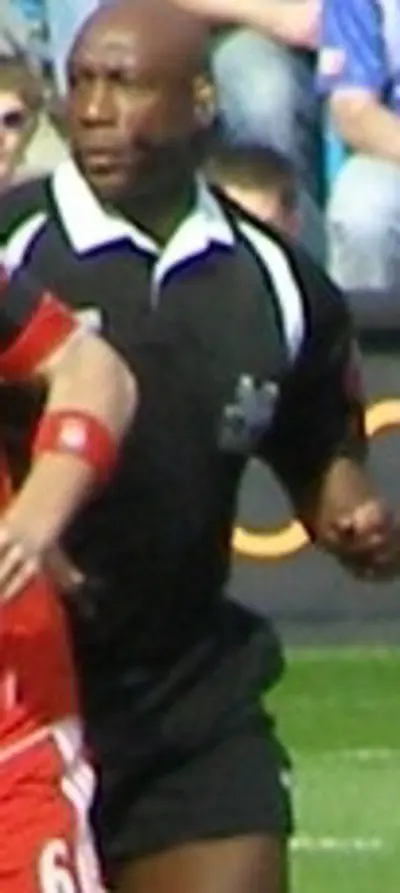
Uriah Rennie, English Association Football Referee (born 1959)

Richard Ramirez, American serial killer and sex offender (born 1960)
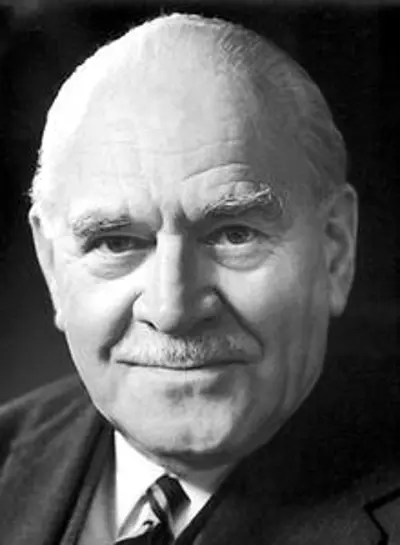
Ronald George Wreyford Norrish, English chemist and academic, Nobel Prize laureate (born 1897)
Anatoly Maltsev, Russian mathematician and academic (born 1909)
Archie Birkin, English motorcycle racer (born 1905)
Charles Reed Bishop, American banker and politician, founded the First Hawaiian Bank (born 1822)
The Israeli Air Force attacked a nuclear reactor under the assumption that it was about to start producing plutonium to further an Iraqi nuclear-weapons program.
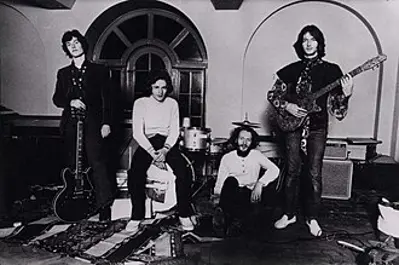
In their only UK concert, the rock supergroup Blind Faith, featuring Eric Clapton, Steve Winwood and Ginger Baker, debuted in London's Hyde Park in front of 100,000 fans.
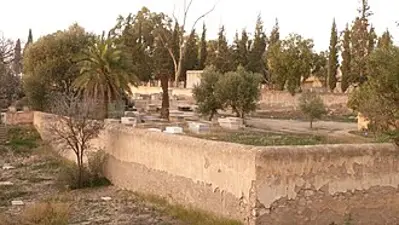
Anti-Jewish riots broke out in the French protectorate in Morocco, during which 44 people were killed and 150 injured.
Homer Plessy, a mixed-race man from New Orleans, was arrested for refusing to leave his seat in the "whites-only" car of a train; he lost the resulting court case, Plessy v. Ferguson.
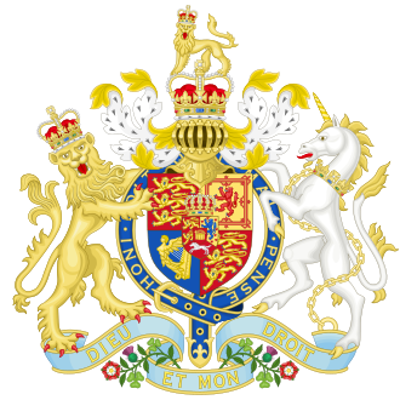
The Reform Act, which is widely credited with launching modern democracy in the United Kingdom, received royal assent.
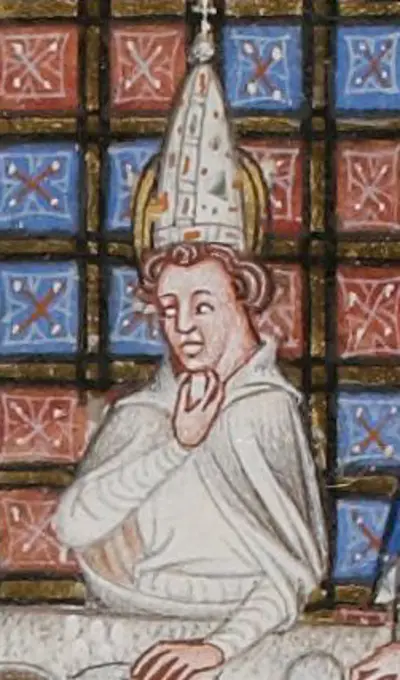
Pope John VIII officially recognised Croatia as an independent state, and Branimir (monument pictured) as its duke.
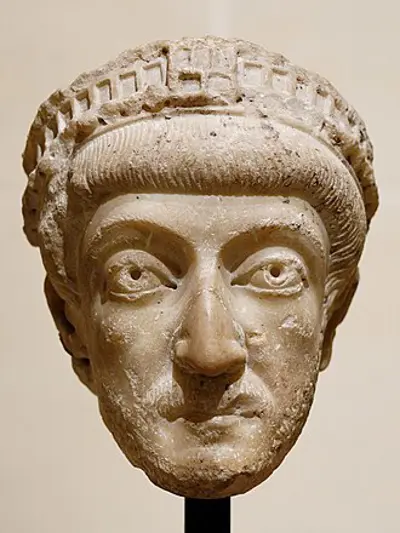
Roman emperor Theodosius II married Aelia Eudocia (pictured), who later helped to protect Greek pagans and Jews from persecution.
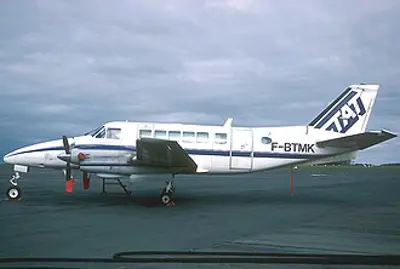
GP Express Airlines Flight 861 crashes on approach to Anniston Regional Airport in Anniston, Alabama, killing three.
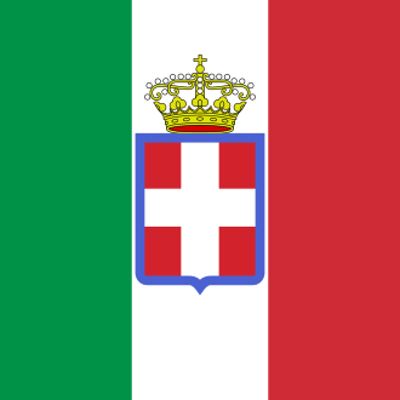
World War II: The two-day Battle of Porta between the Royal Italian Army and the Greek People's Liberation Army begins.
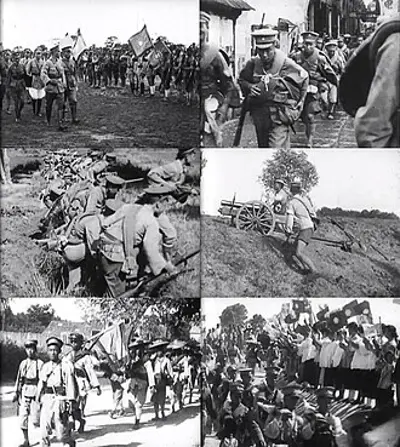
Second Northern Expedition: The National Revolutionary Army captures Beijing, whose name is changed to Beiping ("Northern Peace").
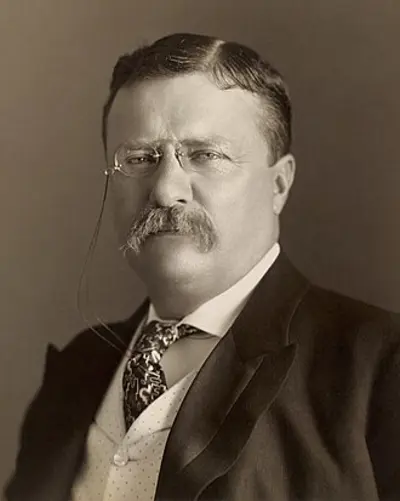
Theodore Roosevelt signs the Antiquities Act into law, authorizing the President to restrict the use of certain parcels of public land with historical or conservation value.
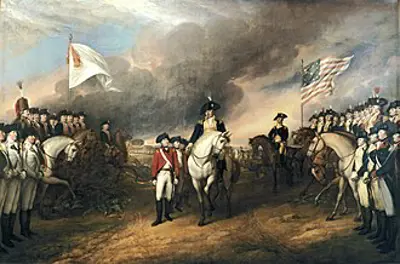
American Revolutionary War: Continental Army attackers are driven back at the Battle of Trois-Rivières.