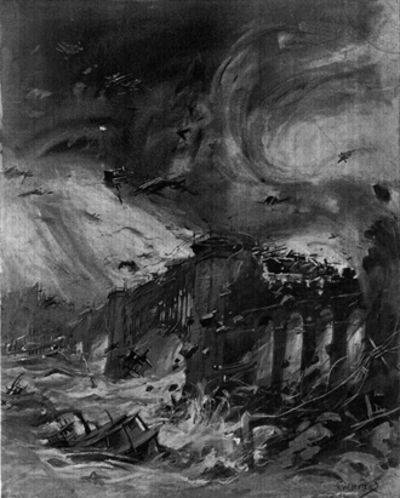
1896
The St
The St. Louis–East St. Louis tornado, one of the deadliest and most destructive tornadoes in U.S. history, struck St. Louis, Missouri, and East St. Louis, Illinois, killing more than 255 people and i�
1880 results for “Charles E. Osgood” — type: selected (785 ms)
The St. Louis–East St. Louis tornado, one of the deadliest and most destructive tornadoes in U.S. history, struck St. Louis, Missouri, and East St. Louis, Illinois, killing more than 255 people and i�
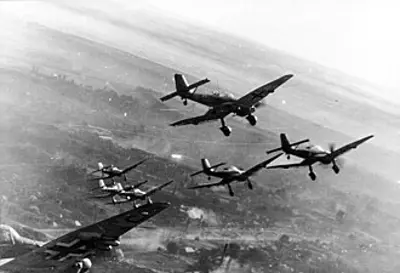
Second World War: Belgium surrendered to Nazi Germany, ending the Battle of Belgium.
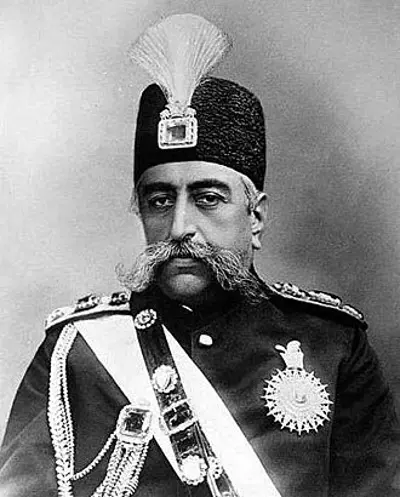
Mozaffar ad-Din (pictured), Shah of Persia, granted exclusive rights to prospect for oil in the country to William Knox D'Arcy.

Scottish-American preservationist John Muir (pictured) founded the environmental organization Sierra Club in California.
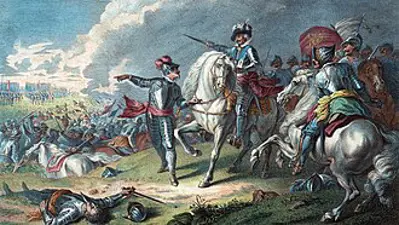
English Civil War: Royalist troops stormed and captured the Parliamentarian stronghold of Bolton, leading to a massacre of defenders and local residents.
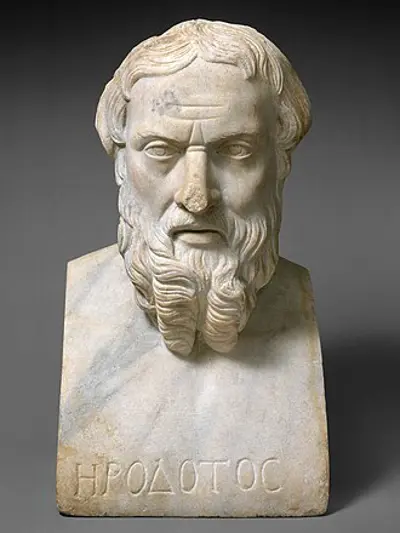
According to the Greek historian Herodotus, a solar eclipse, accurately predicted by Thales of Miletus, abruptly ended the Battle of Halys between the Lydians and the Medes.
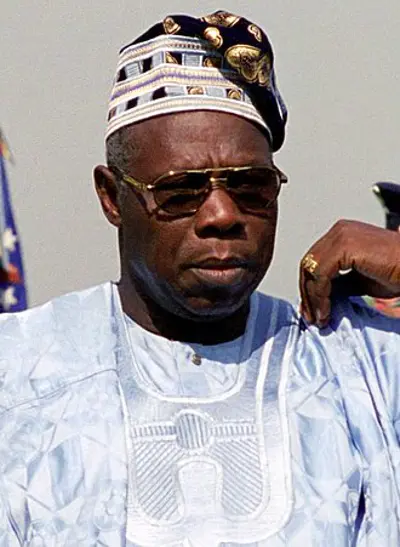
President Olusegun Obasanjo took office as Nigeria's first elected and civilian head of state after 16 years of military dictatorship.

Charlotte Perrelli, representing Sweden, won the Eurovision Song Contest, the first edition not to feature an orchestra or live accompaniment.
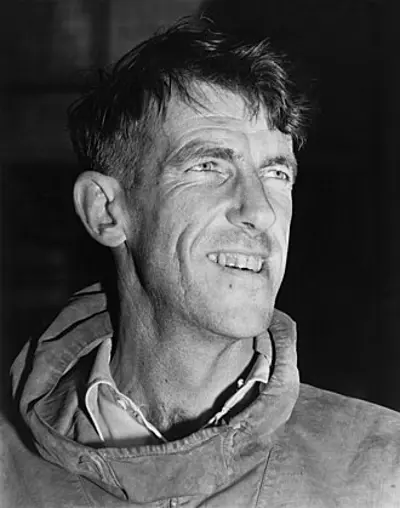
The mountaineers Edmund Hillary and Tenzing Norgay (both pictured) became the first people to reach the summit of Mount Everest.
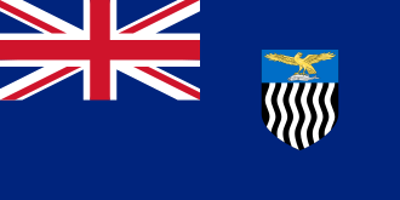
A strike by copper miners in Northern Rhodesia ended after six workers were shot and killed by police.
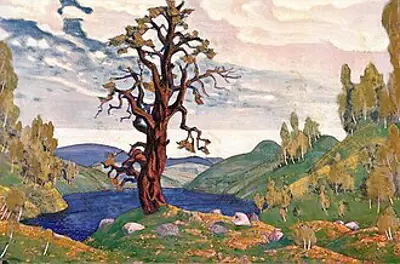
During the premiere of the ballet Le Sacre du printemps by Igor Stravinsky at the Théâtre des Champs-Élysées in Paris, the avant-garde nature of the music and choreography caused a near-riot in the �
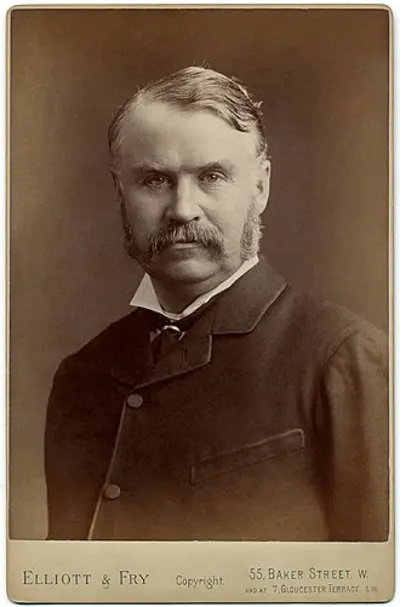
English dramatist W. S. Gilbert of the songwriting duo Gilbert and Sullivan died while saving a young woman from drowning in his lake.
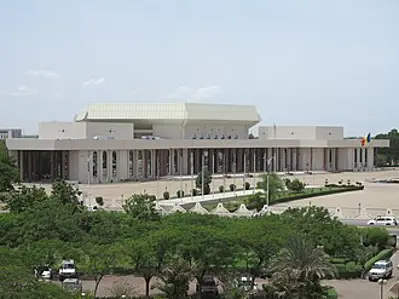
N'Djamena, now the capital of Chad, was founded as Fort-Lamy by French commander Émile Gentil.
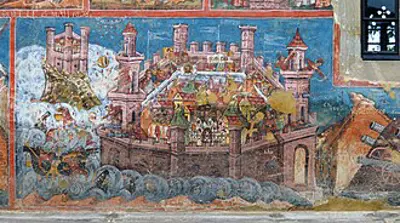
With the fall of Constantinople, the Byzantine Empire fell to the Ottomans.
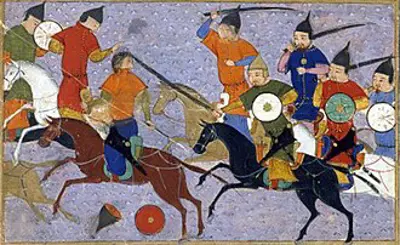
Mongol–Jin War: The Mongols entered and began looting Kaifeng, the capital of the Jin dynasty of China, after a 13-month siege.
Wars of the Guelphs and Ghibellines: Troops of the Lombard League defeated forces of the Holy Roman Empire near Legnano in present-day Italy.

Members of the Japanese Red Army carried out the Lod Airport massacre in Tel Aviv, Israel, on behalf of PFLP External Operations, killing over 20 people and injuring almost 80 others.
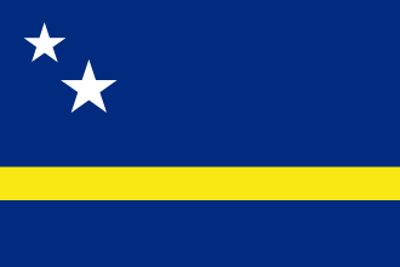
A demonstration by workers and activists on the Caribbean island of Curaçao escalated into a violent uprising which destroyed much of Willemstad.

The Kansas–Nebraska Act became law, establishing the U.S. territories of Nebraska and Kansas, and allowing their settlers to determine if slavery would be permitted.

Johann Sebastian Bach (pictured) assumed the office of Thomaskantor in Leipzig, presenting the cantata Die Elenden sollen essen in St. Nicholas Church.