1918
World War I: U
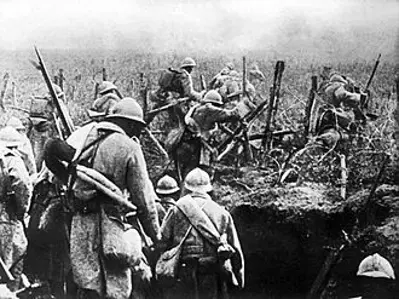
World War I: U.S. Marine Corps suffers its worst single day's casualties during the Battle of Belleau Wood while attempting to recapture the wood at Château-Thierry (the losses are exceeded at the Ba�
4076 results for “Antoine N'Gossan” — type: events (627 ms)
World War I: U.S. Marine Corps suffers its worst single day's casualties during the Battle of Belleau Wood while attempting to recapture the wood at Château-Thierry (the losses are exceeded at the Ba�
The Shewan forces of Menelik II of Ethiopia defeat the Gojjame army in the Battle of Embabo. The Shewans capture Negus Tekle Haymanot of Gojjam, and their victory leads to a Shewan hegemony over the �
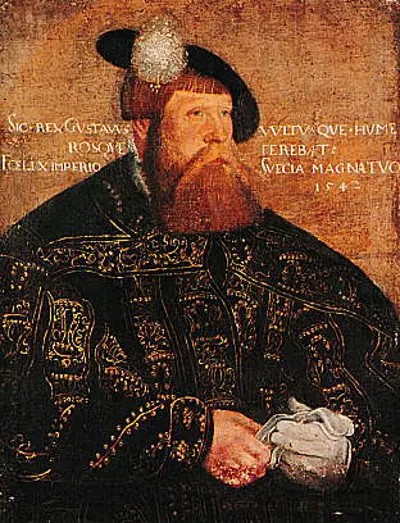
Swedish regent Gustav Vasa is elected King of Sweden and, marking a symbolic end to the Kalmar Union, 6 June is designated the country's national day.
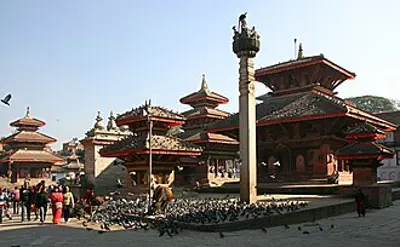
The M8.2–8.8 Lo Mustang earthquake affects Tibet and Nepal, causing severe damage in Kathmandu and parts of the Indo-Gangetic plain.
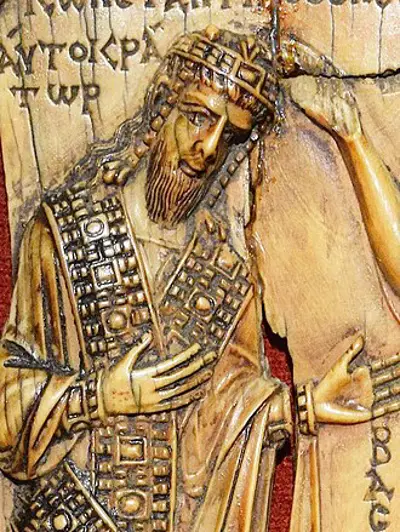
Constantine VII, the eight-year-old illegitimate son of Leo VI the Wise, becomes nominal ruler of the Byzantine Empire under the regency of a seven-man council headed by Patriarch Nicholas Mystikos, �
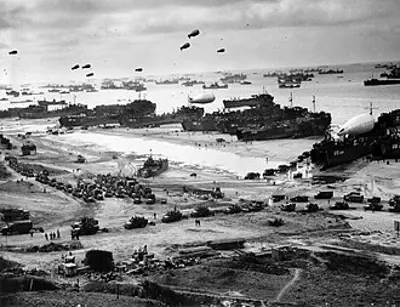
World War II: Commencement of Operation Overlord: The Allied invasion of Normandy begins with the execution of Operation Neptune—commonly referred to as D-Day—the largest seaborne invasion in history�
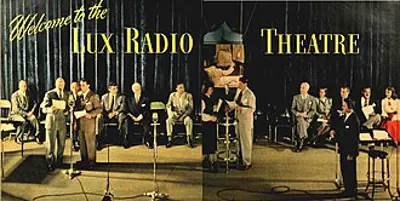
Lux Radio Theatre signs off the air permanently. The show launched in New York in 1934, and featured radio adaptations of Broadway shows and popular films.
Norway's parliament dissolves its union with Sweden. The vote was confirmed by a national plebiscite on August 13 of that year.
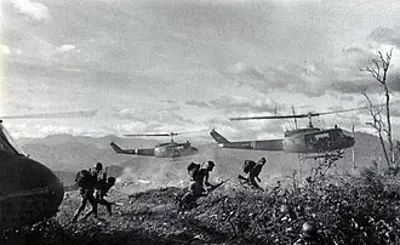
Vietnam War: Nine-year-old Phan Thị Kim Phúc is burned by napalm, an event captured by Associated Press photographer Nick Ut moments later while the young girl is seen running naked down a road, in w�
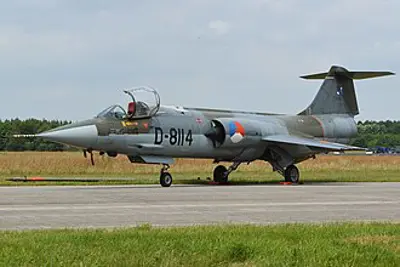
An F-104 Starfighter collides with XB-70 Valkyrie prototype no. 2, destroying both aircraft during a photo shoot near Edwards Air Force Base. Joseph A. Walker, a NASA test pilot, and Carl Cross, a Un�

American Civil War: A Confederate victory by forces under General Stonewall Jackson at the Battle of Cross Keys, along with the Battle of Port Republic the next day, prevents Union forces from reinfo�
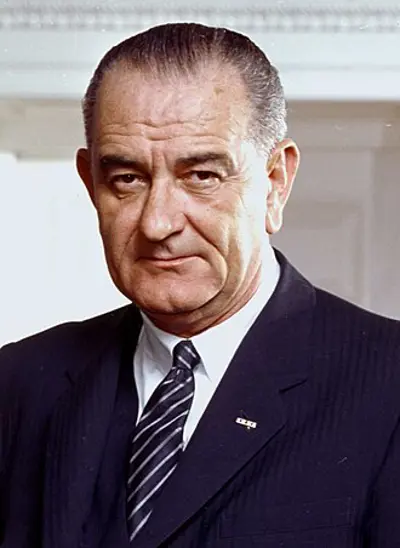
U.S. President Lyndon B. Johnson declares a national day of mourning following the assassination of Senator Robert F. Kennedy.

The civilian Prime Minister of South Vietnam, Phan Huy Quát, resigns after being unable to work with a junta led by Nguyễn Cao Kỳ.
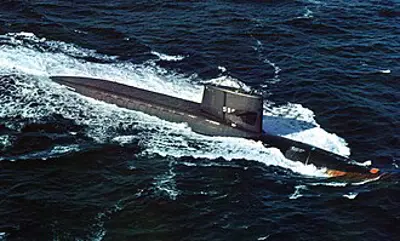
The USS George Washington is launched. It is the first nuclear-powered ballistic missile submarine.

The Equal Pay Act of 1963, aimed at abolishing wage disparity based on sex, was signed into law by John F. Kennedy as part of his New Frontier Program.
The Austro-Hungarian battleship SMS Szent István sinks off the Croatian coast after being torpedoed by an Italian MAS motorboat; the event is recorded by camera from a nearby vessel.
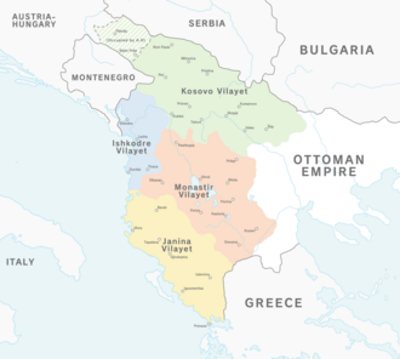
League of Prizren is established, to oppose the decisions of the Congress of Berlin and the Treaty of San Stefano, as a consequence of which the Albanian lands in the Balkans were being partitioned a�
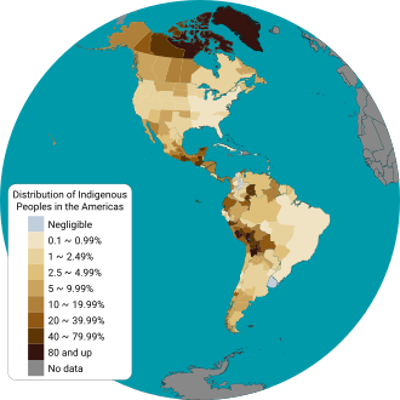
The U.S. Government forcibly removes the last holdouts to the Native American Occupation of Alcatraz, ending 19 months of control.
American Civil Rights Movement: Governor of Alabama George Wallace defiantly stands at the door of Foster Auditorium at the University of Alabama in an attempt to block two black students, Vivian Mal�
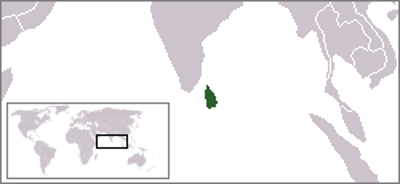
Start of Gal Oya riots, the first reported ethnic riots that target minority Sri Lankan Tamils in the Eastern Province. The total number of deaths is reportedly 150.