1862
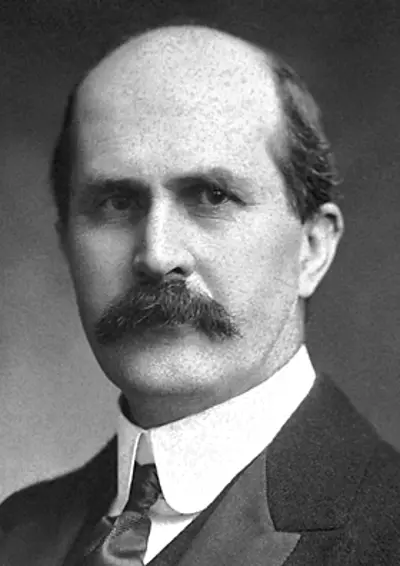
William Henry Bragg, English physicist, chemist, and mathematician, Nobel Prize laureate (died 1942)
William Henry Bragg, English physicist, chemist, and mathematician, Nobel Prize laureate (died 1942)
76210 results for “A. W. Mailvaganam” (4023 ms)
William Henry Bragg, English physicist, chemist, and mathematician, Nobel Prize laureate (died 1942)
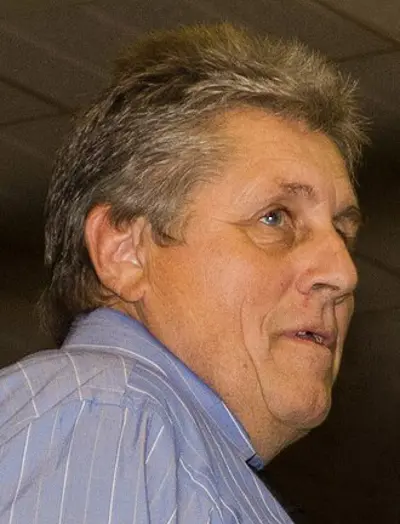
Smith Hart, American-born Canadian professional wrestler (born 1948)
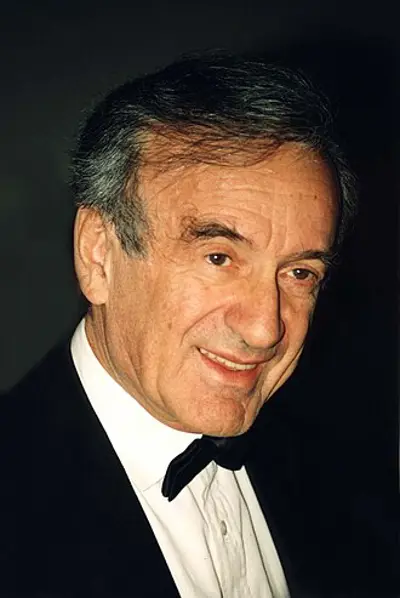
Elie Wiesel, Holocaust survivor, activist, and author (born 1928)
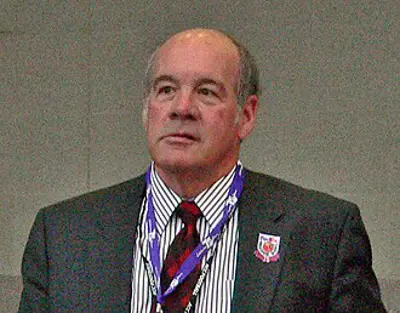
Jim Weaver, American football player and coach (born 1945)
Louis Zamperini, American runner and World War II US Army Air Forces captain (born 1917)
Anthony Llewellyn, Welsh-American chemist, academic, and astronaut (born 1933)
Ferdinand Schörner, German field marshal and convicted war criminal (born 1892)
Ernest Hemingway, American novelist, short story writer, and journalist, Nobel Prize laureate (born 1899)
William Louis Marshall, American general and engineer (born 1846)
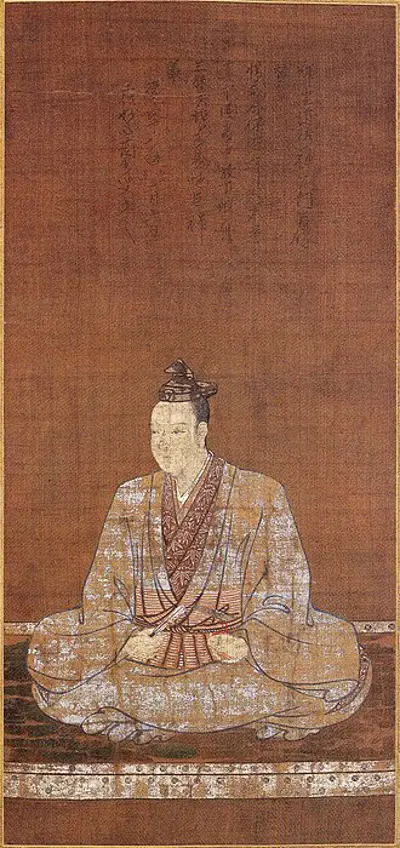
Akechi Mitsuhide, Japanese samurai and warlord (born 1528)
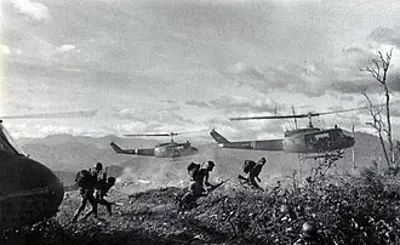
More than a year after the end of the Vietnam War, North and South Vietnam officially merged under communist rule to form the Socialist Republic of Vietnam.

The Civil Rights Act was signed into law, outlawing segregation in schools, at the workplace, and other facilities that served the general public in the United States.
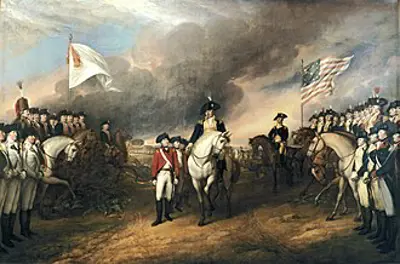
American Revolutionary War: French troops landed near St. George's, Grenada, and began their capture of the island.

First English Civil War: The combined forces of Scottish Covenanters and English Parliamentarians defeated Royalist troops at the Battle of Marston Moor.
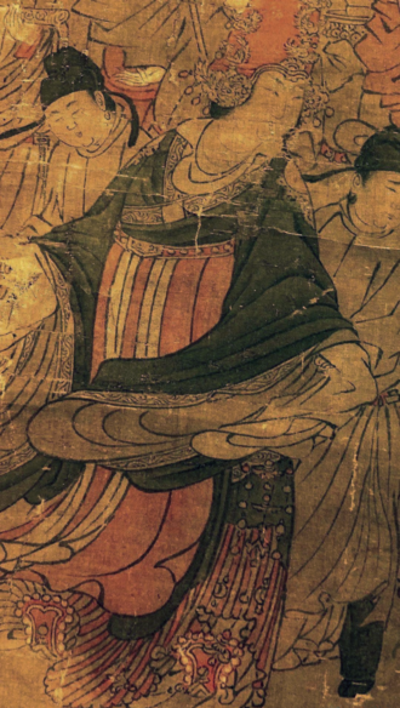
The bodies of Emperor Gaozong of Tang and Empress Wu Zetian were interred in the Qianling Mausoleum.
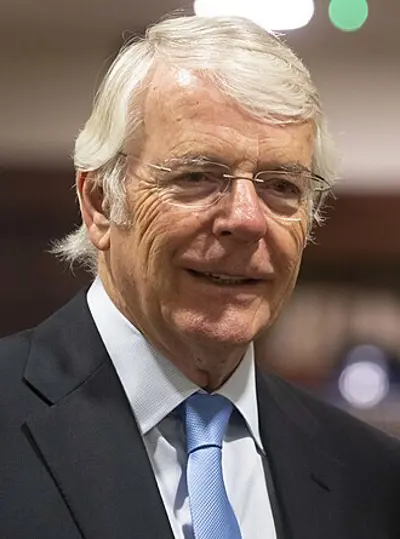
British Prime Minister John Major announced the Stone of Scone would be returned to Scotland.
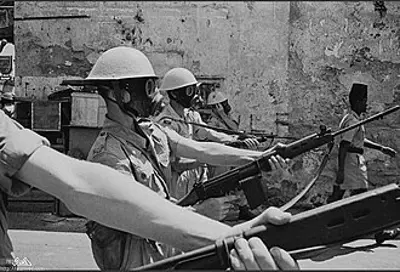
The Aden Emergency: The Battle of the Crater in which the British Argyll and Sutherland Highlanders retake the Crater district following the Arab Police mutiny.
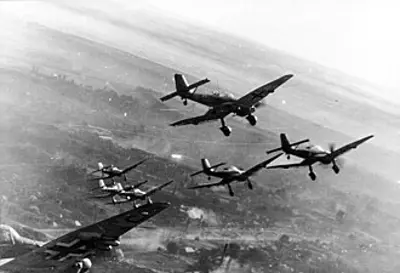
World War II: The Royal Navy attacks the French naval squadron in Algeria, to ensure that it will not fall under German control. Of the four French battleships present, one is sunk, two are damaged, �
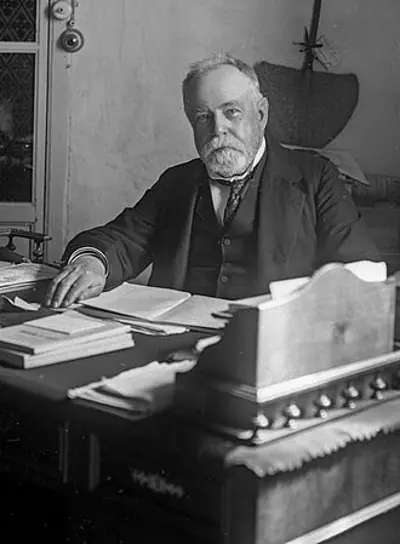
A Spanish squadron, led by Pascual Cervera y Topete, is defeated by an American squadron under William T. Sampson in the Battle of Santiago de Cuba.
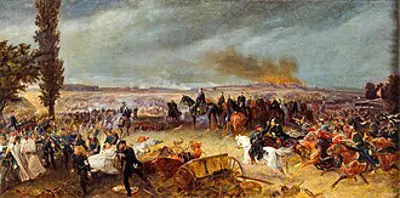
Austro-Prussian War is decided at the Battle of Königgrätz, enabling Prussia to exclude Austria from German affairs.