World War II: The Moscow Armistice between Finland and the Soviet Union is signed, which officially ended the…
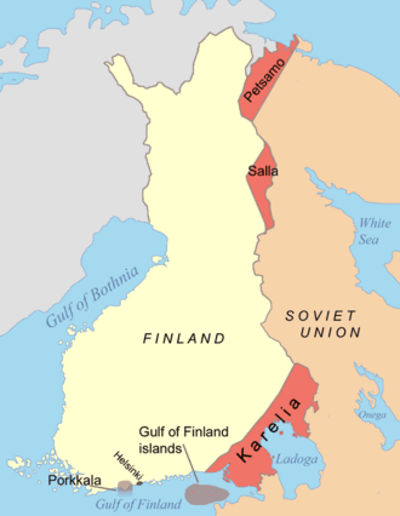
World War II: The Moscow Armistice between Finland and the Soviet Union is signed, which officially ended the Continuation War.
76205 results for “A. W. Mailvaganam” (3206 ms)
World War II: The Moscow Armistice between Finland and the Soviet Union is signed, which officially ended the Continuation War.
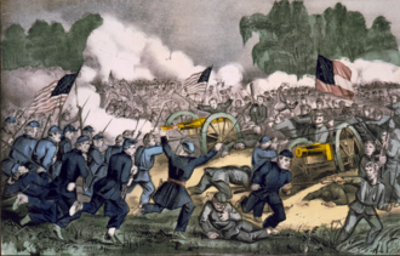
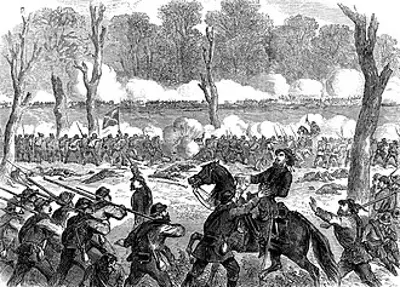
American Civil War: The first day of the Battle of Chickamauga, in northwestern Georgia, the bloodiest two-day battle of the conflict, and the only significant Confederate victory in the war's Wester�
William I of Aquitaine gifts abbot Berno a group of lands close to Mâcon to found a new monastery. Contrary to other Benedictine monasteries, William sets the monastery outside of the control of any �
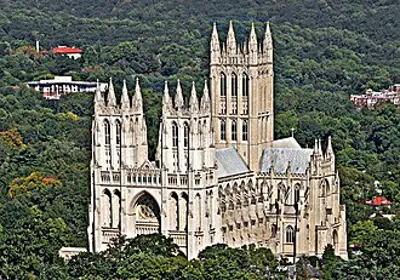
Construction of the Cathedral Church of Saint Peter and Saint Paul (better known as Washington National Cathedral) is completed in Washington, D.C.
World War I: Germany's Supreme Army Command tells Kaiser Wilhelm II and Imperial Chancellor Georg Michaelis to open negotiations for an armistice to end the war.
The cornerstone is laid at the Cathedral Church of Saint Peter and Saint Paul (better known as Washington National Cathedral) in Washington, D.C.
A hunter discovers three gray whales trapped under the ice near Alaska; the situation becomes a multinational effort to free the whales.
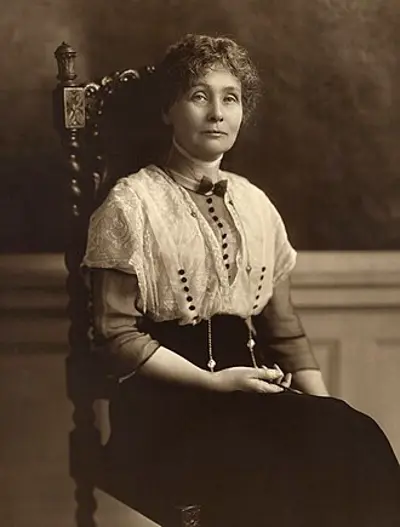
Emmeline Pankhurst (pictured) founded the Women's Social and Political Union, a militant organisation campaigning for women's suffrage in the United Kingdom.
American Revolutionary War: In an act of retaliation against ports that supported Patriot activities in the early stages of the war, the Royal Navy destroyed what is now Portland, Maine.
American Civil War: Union forces under Colonel Edward Baker are defeated by Confederate troops in the second major battle of the war.
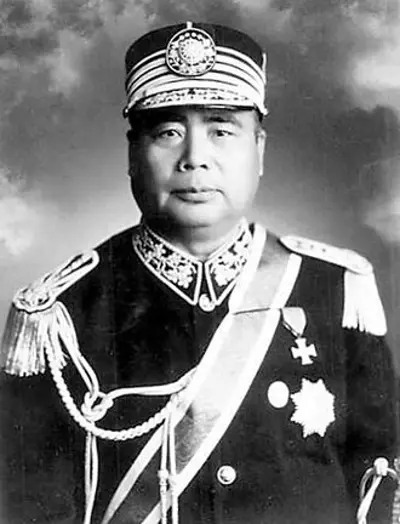
�stages a coup in Beijing against his erstwhile superiors in the Zhili clique, crippling their nearly victorious war effort against the Fengtian clique and forcing them to withdraw from northern China.
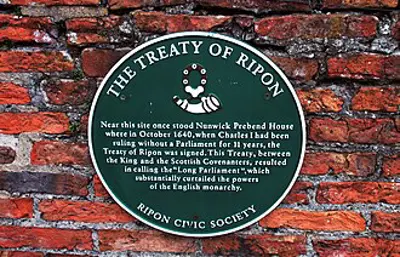
The Treaty of Ripon was agreed, ending the Second Bishops' War and forcing Charles I to summon the Long Parliament, ultimately leading to the First English Civil War.
American Civil War: Battle of Wauhatchie: Forces under Union General Ulysses S. Grant repel a Confederate attack led by General James Longstreet in one of the few night battles of the war, protecting�
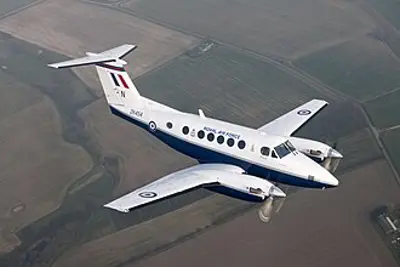
Four people are killed when a Beechcraft Super King Air crashes at Wichita Dwight D. Eisenhower National Airport in Wichita, Kansas.
World Savings Day is announced in Milan, Italy by the Members of the Association at the 1st International Savings Bank Congress (World Society of Savings Banks).
Vietnam War: US President Lyndon B. Johnson and "The Wise Men" conclude that the American people should be given more optimistic reports on the progress of the war.
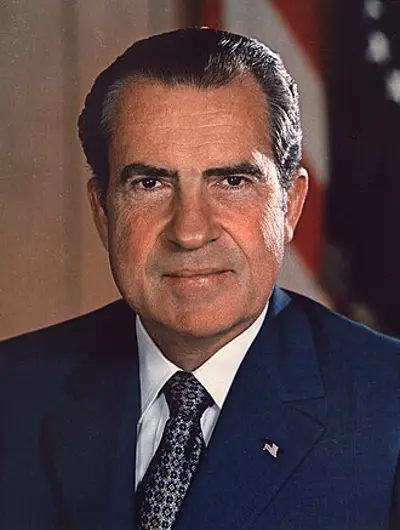
Vietnam War: U.S. President Richard Nixon addresses the nation on television and radio, asking the "silent majority" to join him in solidarity on the Vietnam War effort and to support his policies.
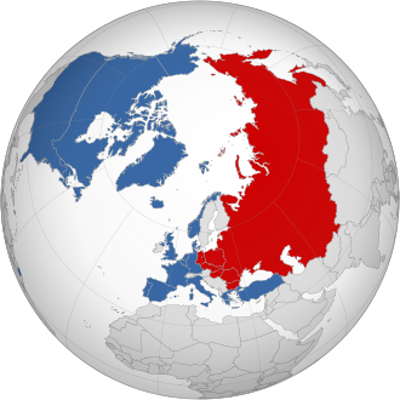
Cold War: The command post exercise Able Archer 83 begins, eventually leading to the Soviet Union to place air units in East Germany and Poland on alert, for fear that NATO was preparing for war
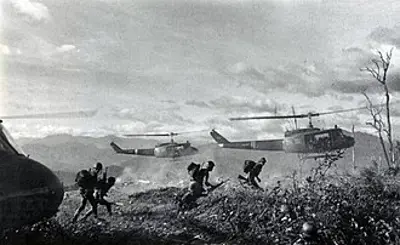
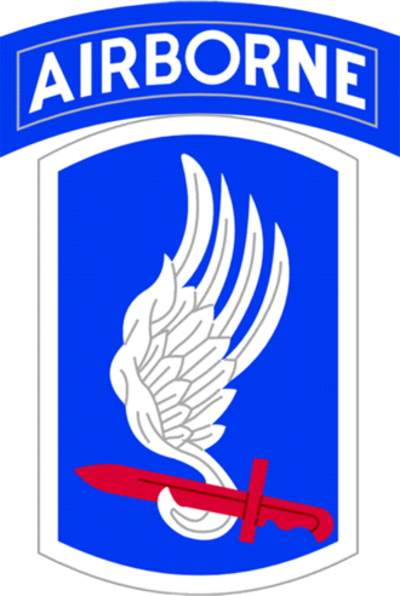
The 173rd Airborne is ambushed by over 1,200 Viet Cong in Operation Hump during the Vietnam War, while the 1st Battalion, Royal Australian Regiment fight one of the first set-piece engagements of the�
Vietnam War: The Supreme Court of the United States votes 6–3 against hearing a case to allow Massachusetts to enforce its law granting residents the right to refuse military service in an undeclared�