
1998
White supremacists murdered James Byrd Jr
White supremacists murdered James Byrd Jr., an African American, by chaining him behind a pickup truck and dragging him along an asphalt road in Jasper, Texas.
387 results for “Armin Shimerman, American actor” — type: selected (758 ms)
White supremacists murdered James Byrd Jr., an African American, by chaining him behind a pickup truck and dragging him along an asphalt road in Jasper, Texas.
The racehorse Secretariat, of Meadow Stables (racing colors pictured), won the Belmont Stakes by 31 lengths, achieving the first American Triple Crown victory in a quarter of a century.

Union general Ulysses S. Grant pulled his troops out of the Battle of Cold Harbor in Hanover County, Virginia, ending one of the bloodiest, most lopsided battles in the American Civil War.
The Maryland province of the Jesuits contracted to sell 272 slaves to buyers in Louisiana in one of the largest slave sales in American history.
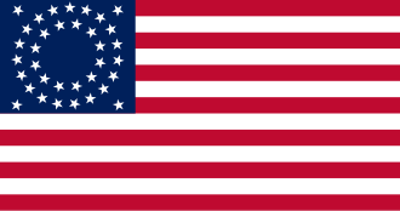
More than 50,000 Union and Confederate veterans gathered at the Gettysburg Battlefield, the largest combined reunion of American Civil War veterans ever held.

Confederate forces were defeated by the Union Army on the last day of the Battle of Gettysburg (pictured), a turning point in the American Civil War.

In Philadelphia, the Continental Congress adopted the Declaration of Independence (signing pictured), announcing that the thirteen American colonies were no longer a part of the British Empire.

�olice of Ngô Đình Nhu, brother and chief political adviser of South Vietnamese president Ngô Đình Diệm, attacked a group of American journalists who were covering a protest during the Buddhist crisis.

Politician William Jennings Bryan made his Cross of Gold speech advocating bimetallism, considered one of the greatest political speeches in American history.

Four days of rioting began in New York City in response to laws passed by the U.S. Congress to draft men to fight in the American Civil War.

The United States Congress established the Indian Peace Commission to seek peace treaties with a number of Native American tribes.
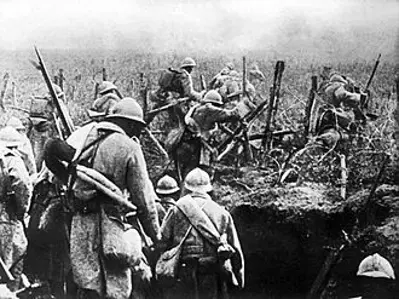
World War I: An Imperial German Navy U-boat opened fire on a small convoy of barges and defending aircraft near the American town of Orleans, Massachusetts.

Soviet premier Nikita Khrushchev and U.S. vice president Richard Nixon held an impromptu debate (pictured) at the opening of the American National Exhibition at Sokolniki Park in Moscow.

In New York City, the NAACP and church and community leaders organized a silent march of at least 8,000 people to protest violence directed towards African Americans.
The Second Continental Congress passed a resolution commissioning the Marquis de Lafayette (pictured) as a major general in the American revolutionary forces.

�B. Johnson signed the Voting Rights Act into law, outlawing literacy tests and other discriminatory voting practices that had been responsible for the widespread disfranchisement of African Americans.
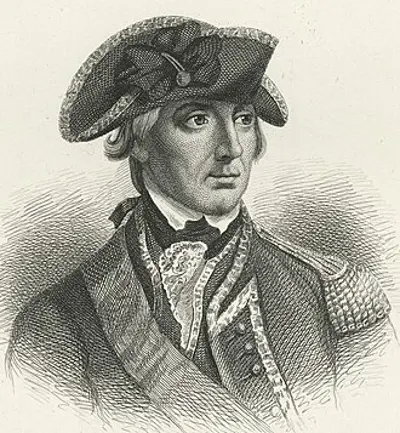
British forces led by William Howe defeated the Continental Army under George Washington at the Battle of Long Island, the largest battle of the American Revolutionary War.
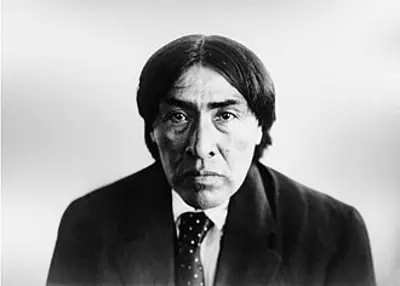
The last member of the Yahi, known as Ishi, emerged from the wilderness near Oroville, California, to join European American society.
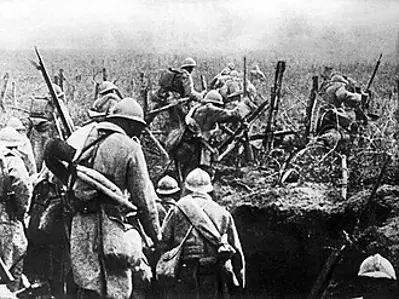
�during the Meuse–Argonne offensive in France's Forest of Argonne, American Corporal Alvin York led the 7 remaining men on an attack against a German machine gun nest; 25 German soldiers were killed an�
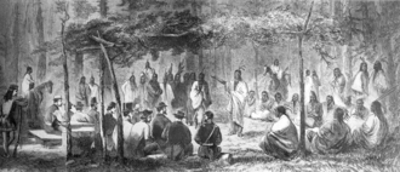
�d near Medicine Lodge, Kansas, between the United States federal government and several Native American tribes in the Great Plains, requiring them to relocate to areas in present-day western Oklahoma.