Second World War: The Royal Navy lost its first warship in the war when German submarine U-29 torpedoed and sank…
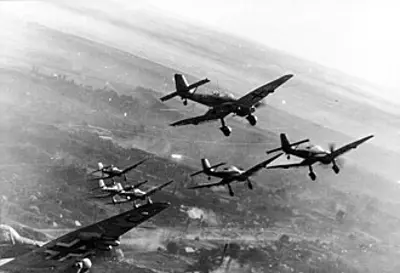
Second World War: The Royal Navy lost its first warship in the war when German submarine U-29 torpedoed and sank HMS Courageous.
39541 results for “Barbara C. Freeman” (1629 ms)
Second World War: The Royal Navy lost its first warship in the war when German submarine U-29 torpedoed and sank HMS Courageous.
War of the Pyrenees: Forces from the French Army of the Eastern Pyrenees defeated two divisions of the Army of Catalonia, ending the furthest Spanish encroachment in their invasion of Roussillon.
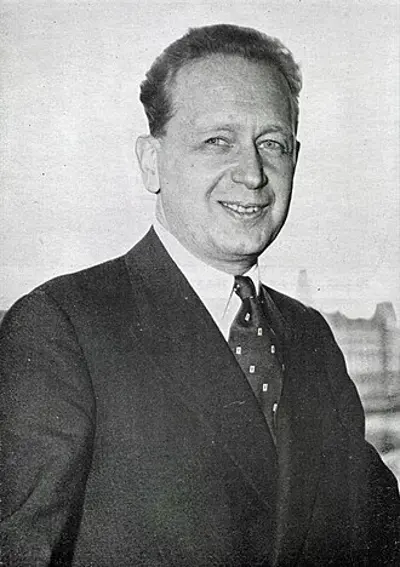
United Nations Secretary-General Dag Hammarskjöld dies in an air crash while attempting to negotiate peace in the Katanga region of the Democratic Republic of the Congo.
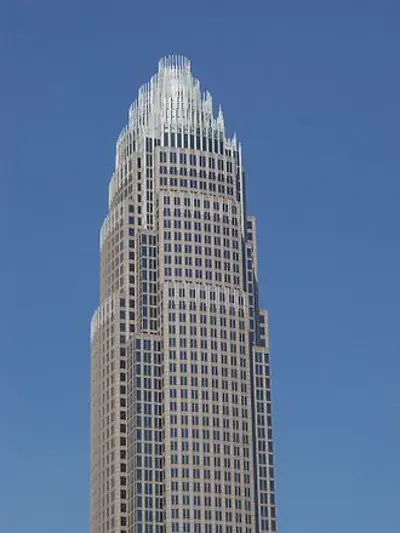
The Bank of America introduces its first credit card, the BankAmericard (later renamed the VISA Card), in a test market in Fresno County, California.
The U.S. ends its military occupation of the Dominican Republic, after invading in May 1916 to force the Dominican government to pay its debts to European creditors.
In Washington, D.C., George Owen Squier demonstrated the first system to allow multiplexing of telephone transmissions, sending a message between two laboratories of the U.S. Signal Corps.
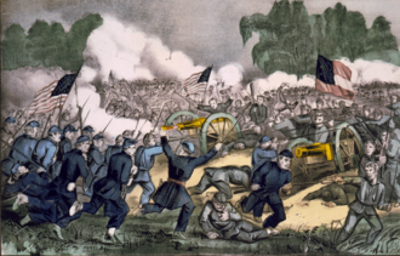
American Civil War: The Battle of Chickamauga begins between Confederate and Union forces. It involves the second highest amount of casualties for any American Civil War battle apart from Gettysburg.
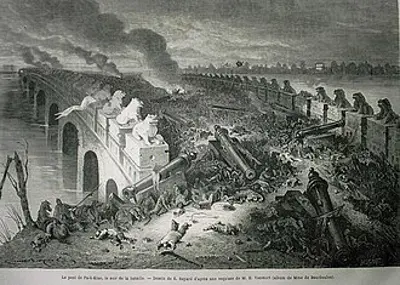
Second Opium War: Battle of Zhangjiawan: Now heading towards Beijing after having recently occupied Tianjin, the allied Anglo-French force engages and defeats a larger Qing Chinese army at Zhangjiawa�
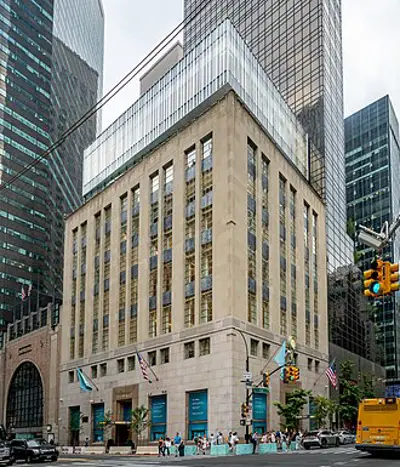
Tiffany & Co. (first named Tiffany & Young) is founded by Charles Lewis Tiffany and Teddy Young in New York City. The store is called a "stationery and fancy goods emporium".
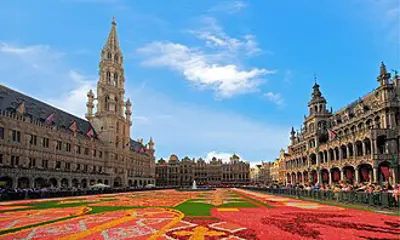
While posing as an aristocrat, Belgian serial killer Nestor Pirotte murdered an antiques dealer in Brussels, for which crime he was sentenced to death.
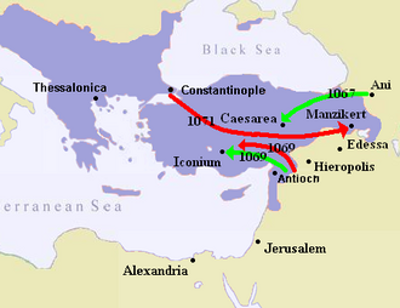
Byzantine–Seljuk wars: Byzantine forces defeated their Seljuk opponents in the flanks of the nocturnal Battle of Kapetron, but learned of their Georgian allies' defeat in the centre the next morning.
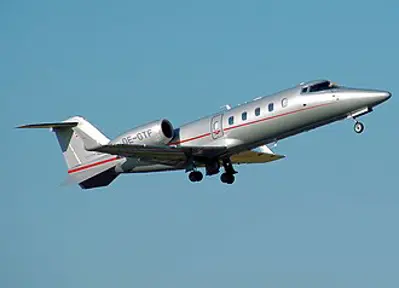
A Learjet 60 carrying musicians Travis Barker and Adam "DJ AM" Goldstein crashes during a rejected takeoff from Colombia Metropolitan Airport in West Columbia, South Carolina, killing four of the six�
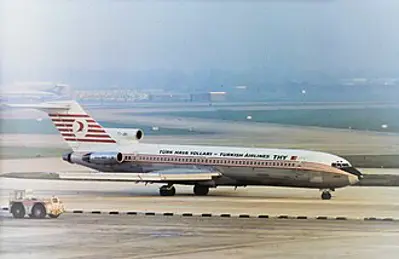
Turkish Airlines Flight 452 hits the Taurus Mountains, outskirt of Karatepe, Turkey, killing all 154 passengers and crew.
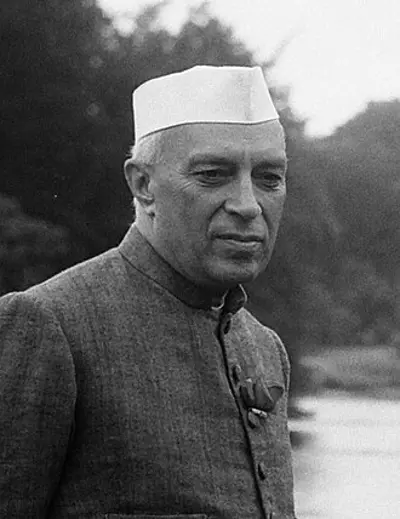
Indian Prime Minister Jawaharlal Nehru and Pakistani President Ayub Khan sign the Indus Waters Treaty for the control and management of the Indus, Chenab, Jhelum, Ravi, Sutlej and Beas rivers.
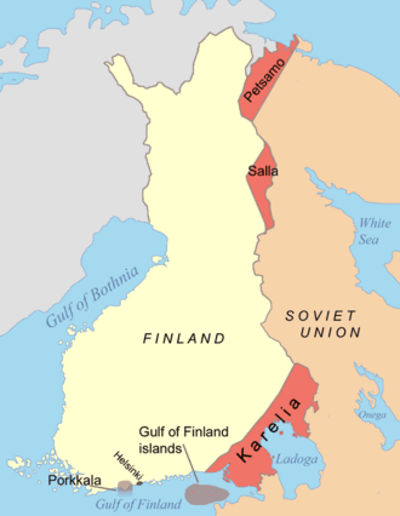
World War II: The Moscow Armistice between Finland and the Soviet Union is signed, which officially ended the Continuation War.
Between 15,000 and 20,000 protesters march on Jena, Louisiana, United States, in support of six black youths who had been convicted of assaulting a white classmate.
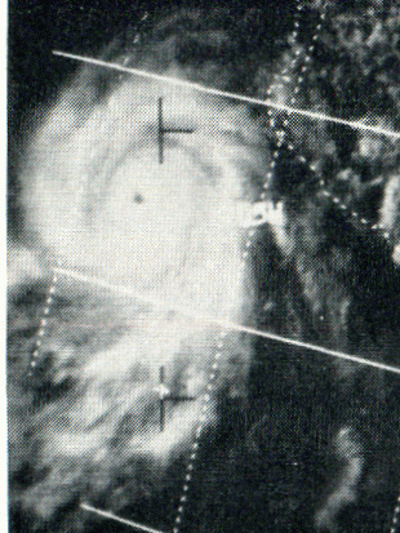
�g landfall in Nicaragua the previous day, Hurricane Irene regains enough strength to be renamed Hurricane Olivia, making it the first known hurricane to cross from the Atlantic Ocean into the Pacific.
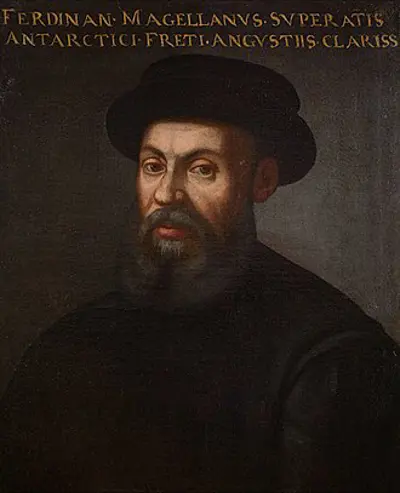
Ferdinand Magellan sets sail from Sanlúcar de Barrameda with about 270 men on his expedition which ultimately culminates in the first circumnavigation of the globe.
Hurricane Erika, the strongest and longest-lasting hurricane of the 1997 Atlantic hurricane season, dissipated after causing flooding and power outages throughout Puerto Rico.
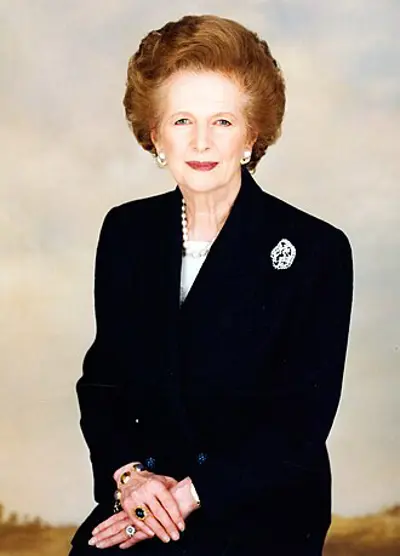
British prime minister Margaret Thatcher gave a landmark speech at the Belfry of Bruges, Belgium, against federalism in the European Economic Community.