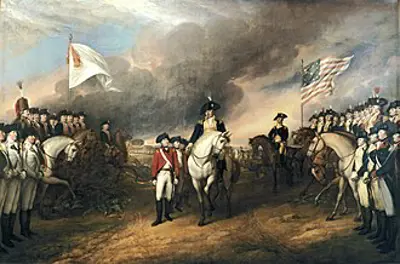
American Revolutionary War: The militia of the Province of South Carolina repelled a British attack on Charleston
American Revolutionary War: The militia of the Province of South Carolina repelled a British attack on Charleston.
53 results for “Charles Adolphe Wurtz” — type: selected (78 ms)
American Revolutionary War: The militia of the Province of South Carolina repelled a British attack on Charleston.
French acrobat Charles Blondin crossed Niagara Gorge, making him one of the world's most famous tightrope walkers.
U.S. president James A. Garfield (pictured) was fatally shot by Charles J. Guiteau at the Baltimore and Potomac Railroad station in Washington, D.C.
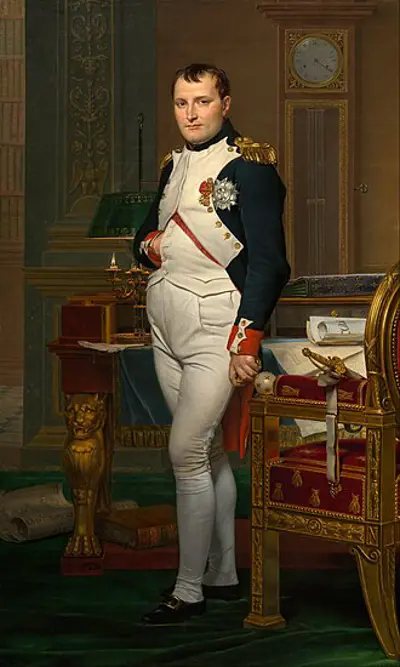
Napoleon's French forces defeated Archduke Charles' Austrian army at the Battle of Wagram, the decisive confrontation of the War of the Fifth Coalition.
King Mwambutsa IV of Burundi was deposed in a coup d'état by his son, Prince Charles Ndizi.
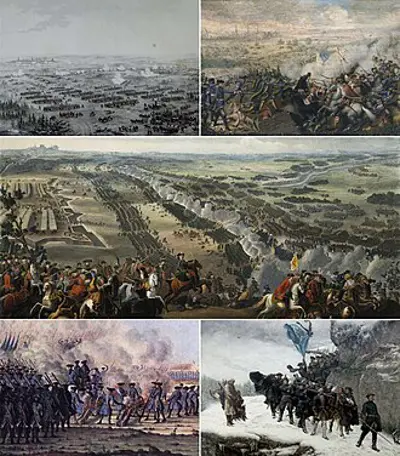
Great Northern War: Swedish forces under Charles XII were defeated by Russian troops led by Peter the Great at the Battle of Poltava.
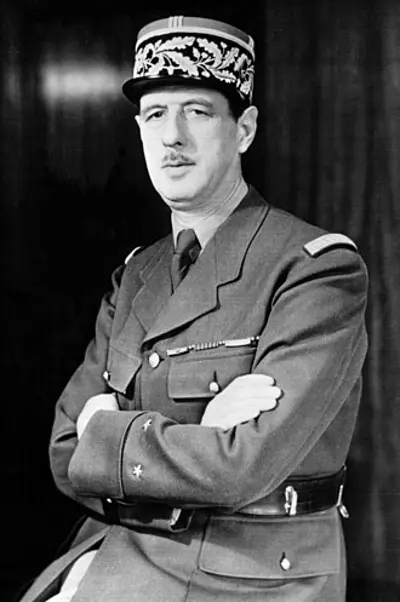
During a speech in Montreal, French president Charles de Gaulle (pictured) declared "Long live free Quebec!", a statement that was interpreted as support for Quebec independence from Canada.
�h and Indian War: Troops led by French brigadier general François-Charles de Bourlamaque attempted to blow up Fort Carillon, near present-day Ticonderoga, New York, rather than defending it against ap�
First World War: British mariner Charles Fryatt was executed in Bruges, Belgium, after a German court-martial found him guilty of being a franc-tireur.
Two followers of the Indian mystic Rajneesh were convicted of a 1985 plot to assassinate Charles Turner, the U.S. attorney for the District of Oregon.
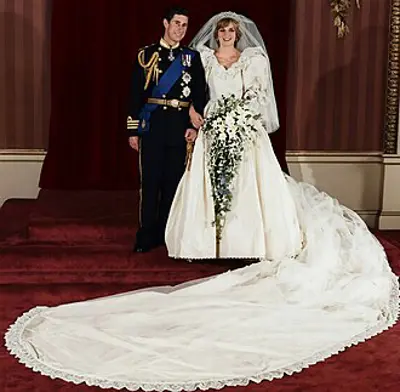
An estimated worldwide television audience of 750 million watched the wedding of Prince Charles and Lady Diana Spencer (combined coat of arms pictured) at St Paul's Cathedral in London.
Prussia declared its intervention in the War of the Austrian Succession on behalf of Charles VII, beginning the Second Silesian War.
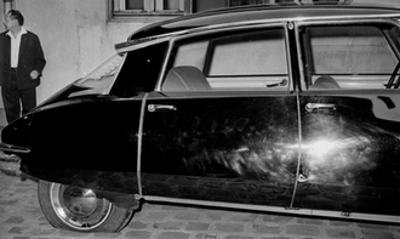
An assassination attempt orchestrated by the OAS takes place against Charles de Gaulle, although he is uninjured.
King Charles I raised the royal standard at Nottingham, marking the beginning of the First English Civil War.
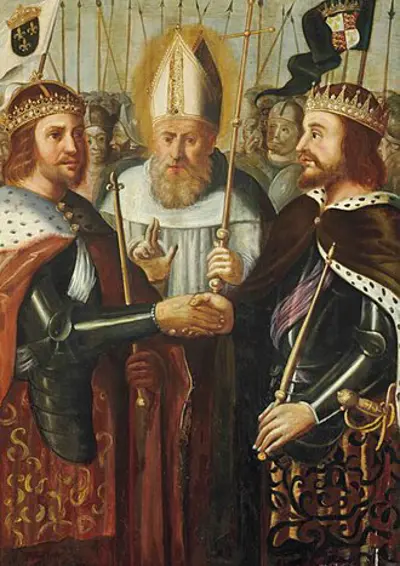
France signed the Treaty of Picquigny with England, freeing Louis XI to deal with the threat posed by Charles the Bold, Duke of Burgundy.
The 7.0 Mw Charleston earthquake struck southeastern South Carolina with a maximum Mercalli intensity of X (Extreme), killing 60 people and causing damage worth an estimated $5–6 million.
Squeaky Fromme (pictured), a devotee of Charles Manson, attempted to assassinate U.S. president Gerald Ford in Sacramento, California.
Queen Elizabeth II (pictured) died at Balmoral Castle in Scotland; her eldest son Charles III acceded to the throne as King of the United Kingdom and other Commonwealth realms.
French president Charles de Gaulle delivered his "speech to the German youth" to 20,000 people in the courtyard of Ludwigsburg Palace (pictured).
In Des Moines, Iowa, American aviator Charles Lindbergh delivered an antisemitic speech (reporting pictured) accusing Jews of controlling the media and manipulating the United States into joining Worl�