King John of England and a group of rebel barons agreed on the text of Magna Carta, an influential charter of rights
King John of England and a group of rebel barons agreed on the text of Magna Carta, an influential charter of rights.
86 results for “John Walter (publisher)” — type: selected (226 ms)
King John of England and a group of rebel barons agreed on the text of Magna Carta, an influential charter of rights.
John Isner defeated Nicolas Mahut at the Wimbledon Championships, concluding the longest match in tennis history, which lasted 11 hours and 5 minutes over three days.
The first flight departed New York City's John F. Kennedy International Airport, then known as New York International Airport.
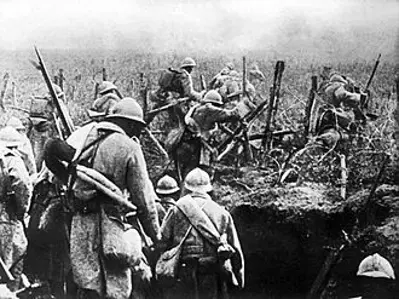
World War I: Allied forces led by the Australian general John Monash won the Battle of Hamel, demonstrating the effectiveness of combined-arms techniques in trench warfare.
Baptist minister John Clarke (pictured) was granted the Rhode Island Royal Charter, described as the "grandest instrument of human liberty ever constructed".
The Virginia Governor's Council made John Punch the first legally recognized slave in England's North American colonies.
John Paul Getty III, a grandson of the American oil magnate J. Paul Getty, was kidnapped in Rome.
The Treaty of Tagilde was signed between Ferdinand I of Portugal and representatives of John of Gaunt of England, marking the beginning of the Anglo-Portuguese Alliance, which remains in effect today.
British soldier Frederick John White died after a flogging, leading to a campaign to end the practice in the British Army.
William Cranch Bond and John Adams Whipple took a daguerreotype of Vega, the first astrophotograph of a star other than the Sun.
American actress Rebecca Schaeffer was shot and killed by Robert John Bardo, eventually prompting the passage of anti-stalking laws in California.
Rain from a stalled thunderstorm caused six dams to fail, flooding Johnstown, Pennsylvania, resulting in 84 deaths and $340 in damages.
American high school biology teacher John T. Scopes was found guilty of violating Tennessee's Butler Act by teaching evolution in class.
Boris Johnson became Prime Minister of the United Kingdom after winning the Conservative Party leadership election.
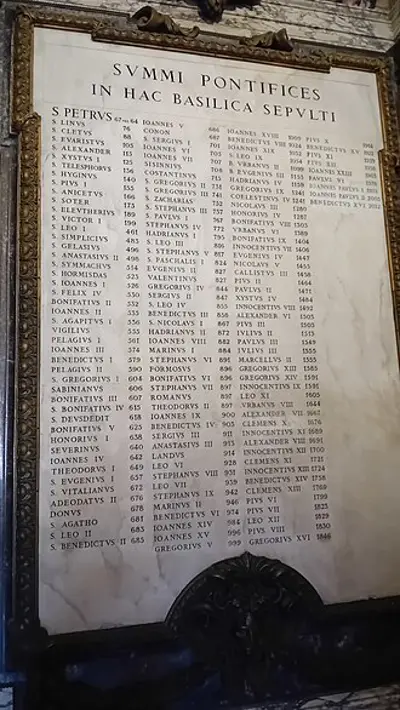
Sergius IV became the 142nd pope, succeeding John XVIII.
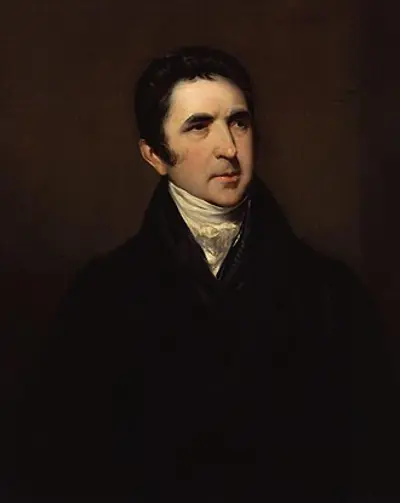
Sir John Barrow, secretary at the Admiralty, rejected a proposal to use Francis Ronalds's electrical telegraph, deeming it "wholly unnecessary".
Scottish nobleman John Ruthven, 3rd Earl of Gowrie, was killed during what was most likely a failed attempt to kidnap King James VI.
U.S. president Lyndon B. Johnson signed the Voting Rights Act into law, outlawing literacy tests and other discriminatory voting practices that had been responsible for the widespread disfranchisement�
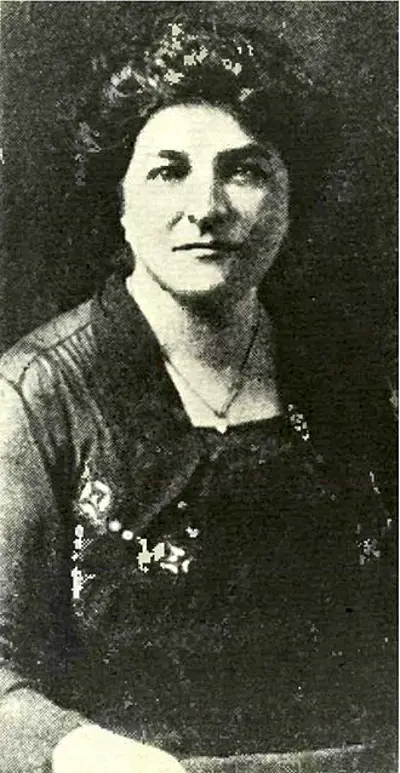
Opha May Johnson became the first woman to enlist in the United States Marine Corps.
John White, governor of the Roanoke Colony, the first English settlement in North America (located in present-day North Carolina), returned after a three-year absence to find it deserted (depicted).