
1483
The last monarch of the House of York and the Plantagenet dynasty, Richard III, was crowned King of England.
The last monarch of the House of York and the Plantagenet dynasty, Richard III, was crowned King of England.
50 results for “Richard Stone (composer)” — type: selected (206 ms)
The last monarch of the House of York and the Plantagenet dynasty, Richard III, was crowned King of England.

The ten-year-old Richard II was crowned King of England at Westminster Abbey.

Soviet premier Nikita Khrushchev and U.S. vice president Richard Nixon held an impromptu debate (pictured) at the opening of the American National Exhibition at Sokolniki Park in Moscow.

On the verge of an impeachment and removal from office amid the Watergate scandal, Richard Nixon became the first president of the United States to resign.
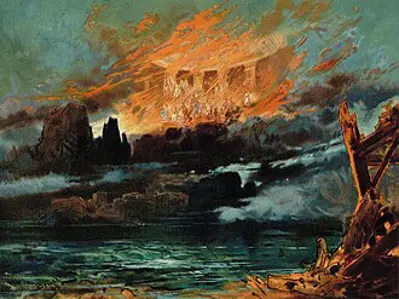
The premiere of Götterdämmerung by Richard Wagner (pictured) closed the first Bayreuth Festival.
The skeleton of King Richard III of England was discovered under a car park in Leicester.
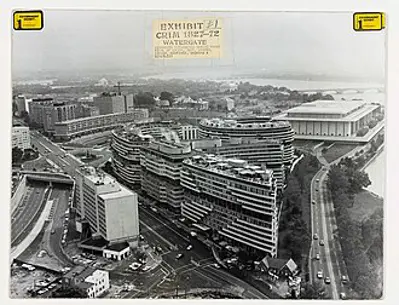
Watergate scandal: U.S. president Gerald Ford gave his recently resigned predecessor Richard Nixon a controversial full and unconditional pardon for any crimes he committed while in office.
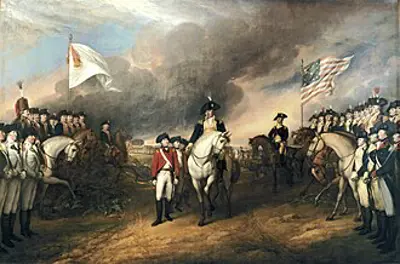
American Revolutionary War: The Continental Army under Richard Montgomery began the Siege of Fort St. Jean in the British province of Quebec.
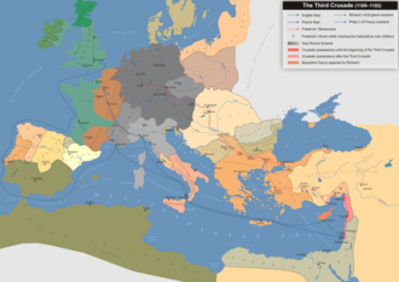
Third Crusade: Crusaders under Richard I of England defeated Ayyubid troops under Saladin at the Battle of Arsuf (depicted) in present-day Israel.
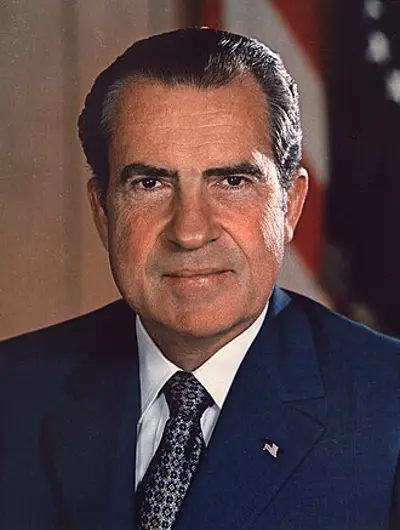
U.S. vice-presidential candidate Richard Nixon delivered the Checkers speech, one of the first political uses of television to appeal directly to the populace.
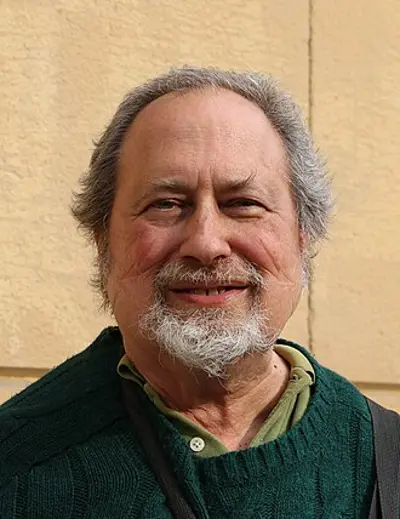
American software developer Richard Stallman announced plans for the Unix-like operating system GNU, the first free software developed by the GNU Project.
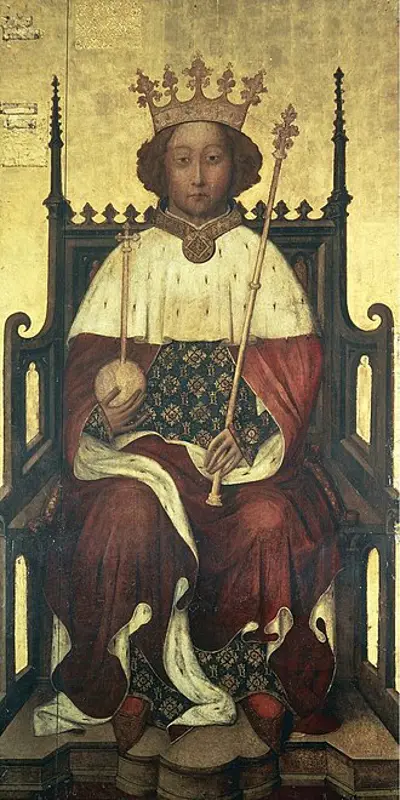
The Wonderful Parliament met at Westminster Abbey to address King Richard II's need for money, but soon changed focus to the reform of his administration.
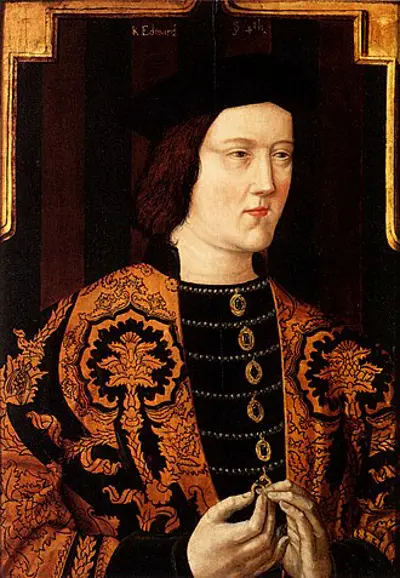
With King Edward IV of England forced to flee to the Burgundian Netherlands after a rebellion organised by Richard Neville, 16th Earl of Warwick, Henry VI was restored to the throne.
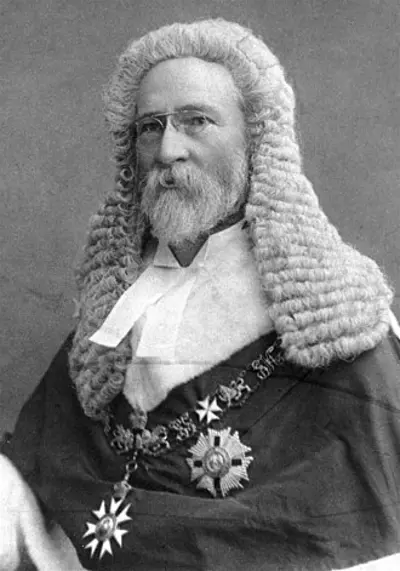
Samuel Griffith (pictured) became the first Chief Justice of Australia, while Edmund Barton and Richard O'Connor became the first Puisne Justices of the High Court of Australia.
U.S. president Richard Nixon made a plea for support from the "silent majority", referring to those Americans who did not join in the large demonstrations against the Vietnam War at the time.
U.S. president Richard Nixon signed an act authorizing the construction of the Trans-Alaska Pipeline to transport oil from the Beaufort Sea to the Gulf of Alaska.

"Advance Australia Fair", written by Scottish-born composer Peter Dodds McCormick, officially replaced "God Save the Queen" as Australia's national anthem.

German composer Max Bruch (pictured) conducted the premiere of his first violin concerto, which later became his most famous work.

French composer Claude Joseph Rouget de Lisle wrote "La Marseillaise", now the national anthem of France.

Italian composer Claudio Monteverdi debuted his second opera L'Arianna, now one of his lost works, at a royal wedding in Mantua.