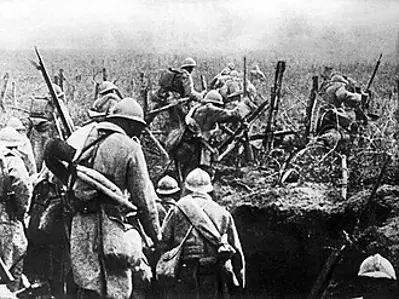
1914
World War I: The first contingent of the First Australian Imperial Force departed Albany, Western Australia.
World War I: The first contingent of the First Australian Imperial Force departed Albany, Western Australia.
41 results for “Tom Conti” — type: selected (62 ms)
World War I: The first contingent of the First Australian Imperial Force departed Albany, Western Australia.
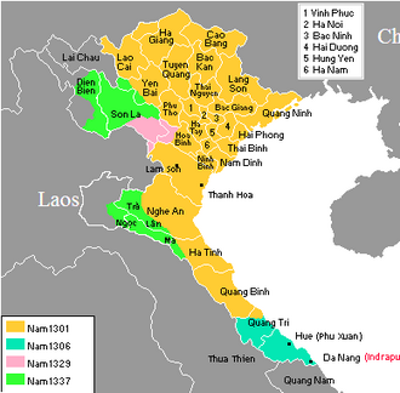
Trần Thánh Tông, the second emperor of Vietnam's Trần dynasty, took up the title of retired emperor, but continued to co-rule with his son Nhân Tông for eleven more years.
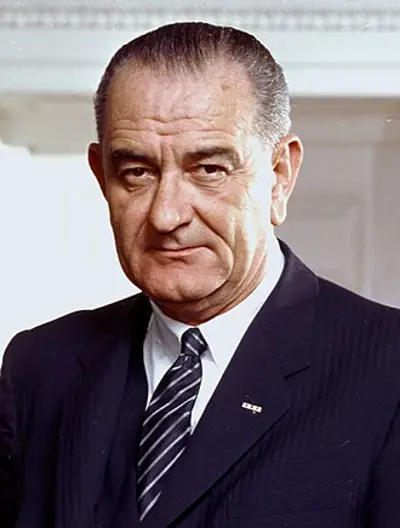
President Lyndon B. Johnson delivered the "Let Us Continue" speech, in which he advocated for civil-rights legislation and national cohesion, to a joint session of the U.S. Congress five days after th�
The University of Santo Tomas (seminary building pictured) in Manila, one of the oldest existing universities in Asia and one of the world's largest Catholic universities by enrollment, was founded.
A crowd crush killed 45 people during the annual pilgrimage to the tomb of Rabbi Shimon bar Yochai in Israel.

The Cadaver Tomb of René of Chalon (pictured) in Bar-le-Duc, France, was designated a monument historique.
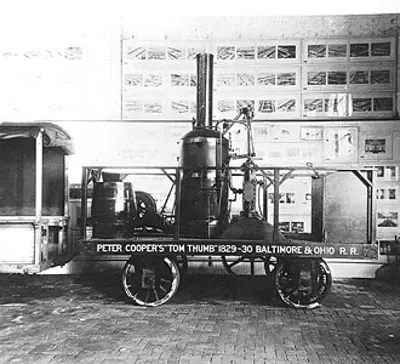
Tom Thumb (replica pictured), the first American-built steam locomotive, took part in an impromptu race against a horse-drawn car in Maryland.
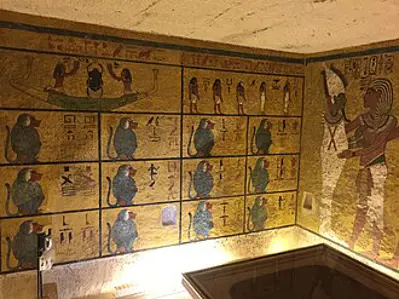
The tomb of Tutankhamun (pictured) was discovered by a team led by British Egyptologist Howard Carter.
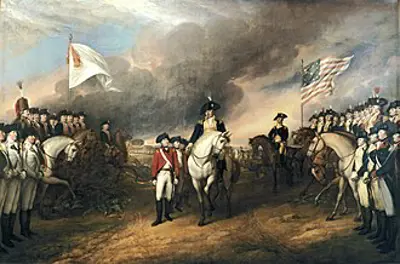
�: Delegates from the Thirteen Colonies met in Philadelphia, Pennsylvania, to convene the Second Continental Congress, which would serve as the de facto national government of the future United States.

Fifty-nine days after leaving New York City with three passengers, Alice Huyler Ramsey arrived in San Francisco to become the first woman to drive an automobile across the contiguous United States.
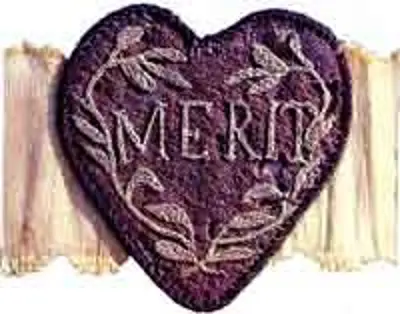
The Badge of Military Merit (pictured), the precursor to the U.S. Purple Heart, was established as a military decoration of the Continental Army.
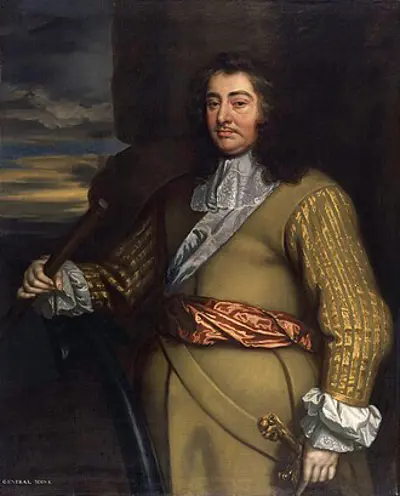
General George Monck founded the predecessor to the Coldstream Guards, the oldest regular regiment of the British Army in continuous active service.
Seven Years' War: Having damaged several French vessels, British ships pursued the remainder of the fleet to Lagos, Portugal, and continued the battle there in violation of Portuguese neutrality.

Adolf Hitler ordered the suspension of the T4 euthanasia program of the mentally ill and disabled, although killings continued in secret for the remainder of World War II.
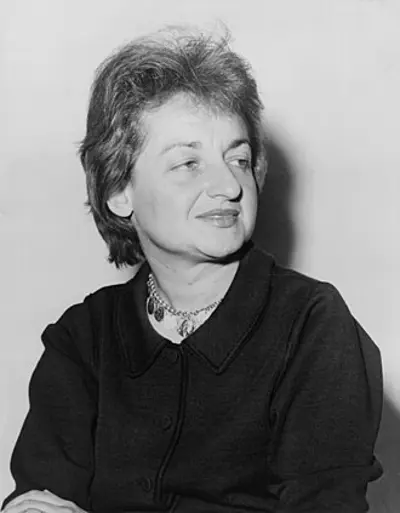
Betty Friedan and the National Organization for Women organized the Women's Strike for Equality in New York City, in which 50,000 women protested the continuing lack of gender equality.
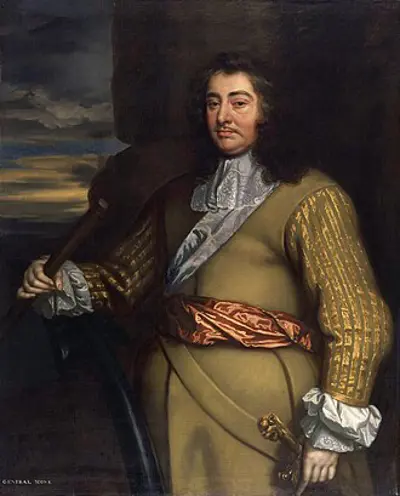
General George Monck founded Monck's Regiment of Foot, the predecessor to the Coldstream Guards, the oldest regular regiment of the British Army in continuous active service.
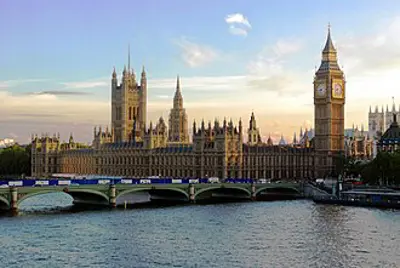
�the British Parliament's enactment of the so-called Intolerable Acts, representatives from twelve of the Thirteen Colonies convened the First Continental Congress at Carpenters' Hall in Philadelphia.
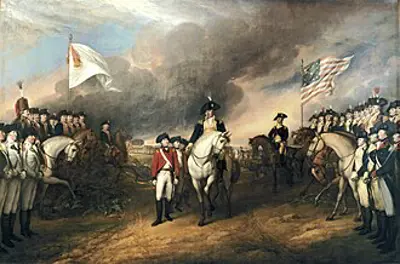
American Revolutionary War: British officer John André was captured by Patriot forces, thereby revealing a plot by Continental Army general Benedict Arnold to hand over West Point, New York.
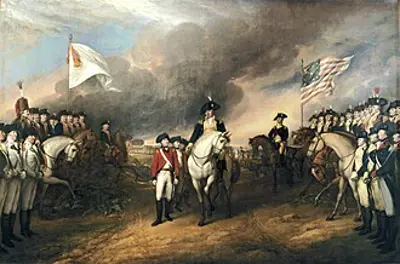
American Revolutionary War: A Dutch fort on Sint Eustatius fired The First Salute to the brig Andrew Doria of the Continental Navy, marking the first international recognition of the American flag.
American Revolutionary War: The Battle of Fort Lee saw the invasion of New Jersey by British and Hessian forces and the subsequent general retreat of the Continental Army.