
1976
The Soviet Union's robotic probe Luna 24 successfully lands on the Moon.
The Soviet Union's robotic probe Luna 24 successfully lands on the Moon.
37 results for “moon” — type: events (42 ms)
The Soviet Union's robotic probe Luna 24 successfully lands on the Moon.
American astronomer Asaph Hall discovers Phobos, one of Mars's moons.
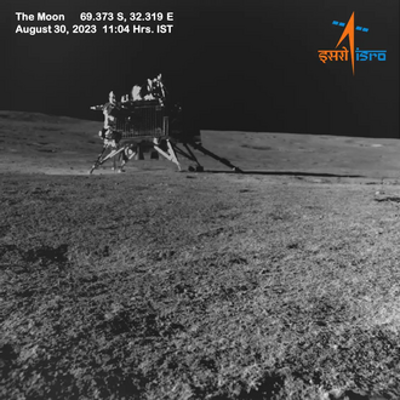
Chandrayaan-3 mission initiated first Moon landing in Indian history.
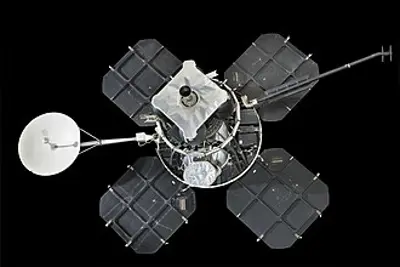
Lunar Orbiter 1 takes the first photograph of Earth from orbit around the Moon.
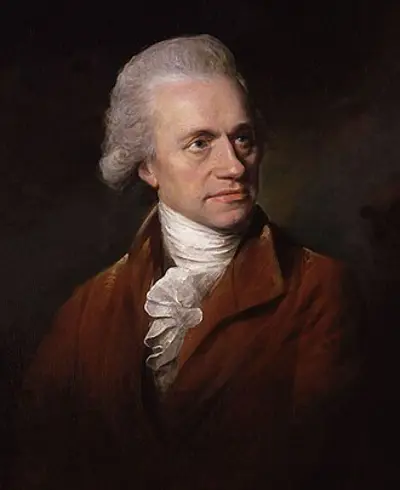
William Herschel discovers a new moon of Saturn: Enceladus.
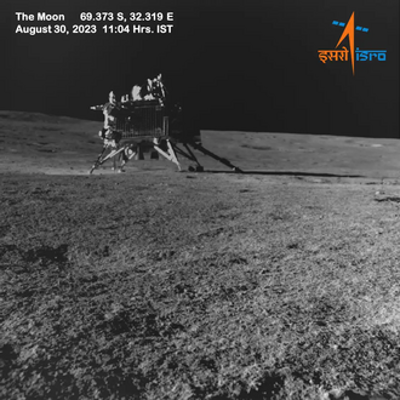
Chandrayaan-3 mission initiates first Moon landing in Indian history.

NASA announces the cancellation of two Apollo missions to the Moon, Apollo 15 (the designation is re-used by a later mission), and Apollo 19.
Amalthea becomes the last moon to be discovered without the use of photography.
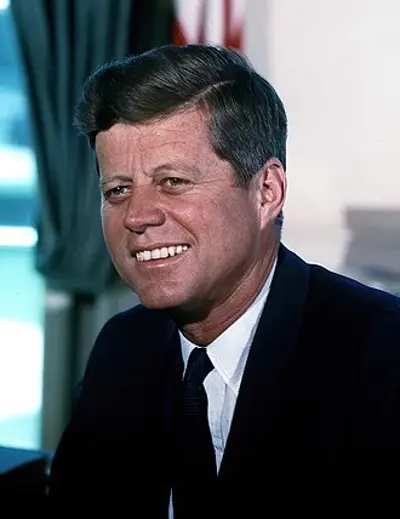
US President John F. Kennedy delivers his "We choose to go to the Moon" speech at Rice University.

The Soviet Union launches a large rocket, Lunik II, at the Moon.
The Soviet Zond 5 spaceship is launched, becoming the first spacecraft to fly around the Moon and re-enter the Earth's atmosphere.
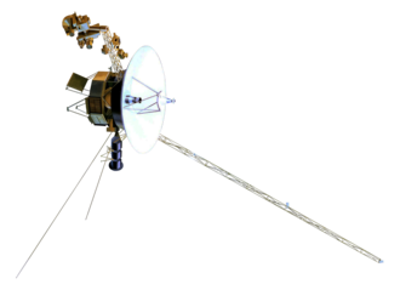
Voyager I takes the first distant photograph of the Earth and the Moon together.
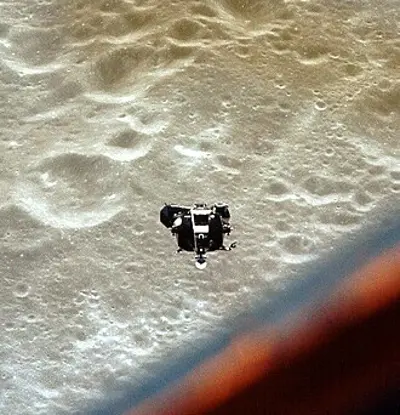
Apollo 10's Lunar Module flies within 8.4 nautical miles (16 km) of the Moon's surface.
�joint session of the U.S. Congress, that the United States "should commit itself to achieving the goal, before this decade is out, of landing a man on the Moon and returning him safely to the Earth."
Apollo program: Apollo 10 returns to Earth after a successful eight-day test of all the components needed for the forthcoming first crewed Moon landing.
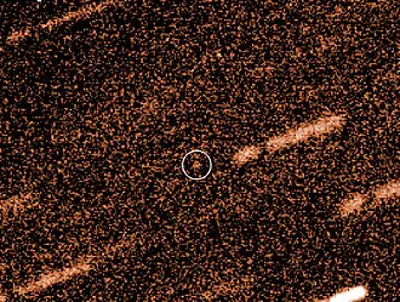
Near-Earth asteroid 2002 MN misses the Earth by 75,000 miles (121,000 km), about one-third of the distance between the Earth and the Moon.
Project Apollo: At a press conference, NASA announces lunar orbit rendezvous as the means to land astronauts on the Moon, and return them to Earth.