1864
American Civil War: The Army of the Potomac, under General Ulysses S
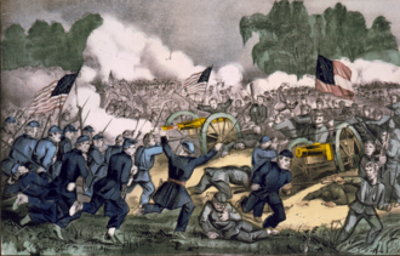
American Civil War: The Army of the Potomac, under General Ulysses S. Grant, breaks off from the Battle of the Wilderness and moves southwards.
464 results for “Kim Sou” — type: events (156 ms)
American Civil War: The Army of the Potomac, under General Ulysses S. Grant, breaks off from the Battle of the Wilderness and moves southwards.
A 71-day standoff between federal authorities and the American Indian Movement members occupying the Pine Ridge Reservation at Wounded Knee, South Dakota ends with the surrender of the militants.
�Skyway Bridge over Tampa Bay, making a 430-meter (1,400 ft) section of the southbound span collapse. Thirty-five people in six cars and a Greyhound bus fall 46 metres (150 ft) into the water and die.
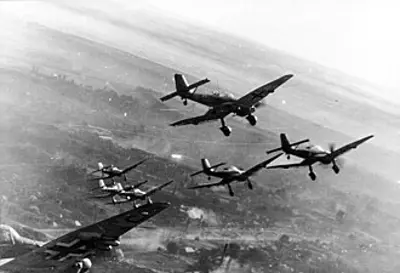
�stern Ukraine, Red Army forces under Marshal Semyon Timoshenko launch a major offensive from the Izium bridgehead, only to be encircled and destroyed by the troops of Army Group South two weeks later.
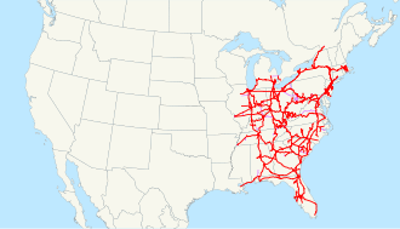
�ineer fails to reboard it after setting a yard switch. It travels south driverless for 66 miles (106 km) until it was brought to a halt near Kenton. The incident became the inspiration for the 2010 fi�
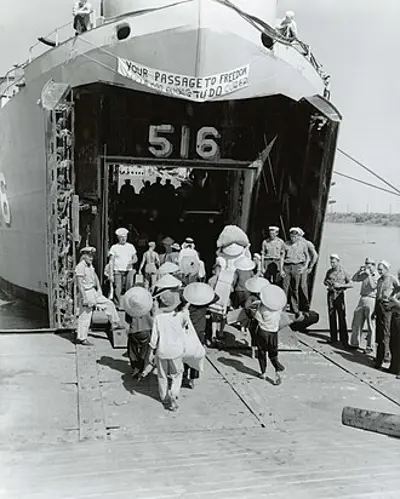
�the evacuation of 310,000 Vietnamese civilians, soldiers and non-Vietnamese members of the French Army from communist North Vietnam to South Vietnam following the end of the First Indochina War, ends.
The North Vietnamese Army establishes Group 559, whose responsibility is to determine how to maintain supply lines to South Vietnam; the resulting route is the Ho Chi Minh trail.
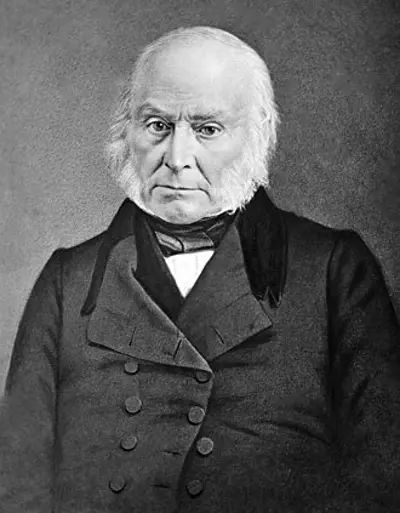
U.S. President John Quincy Adams signs the Tariff of 1828 into law, sparking outrage in the South and leading to the Nullification crisis.
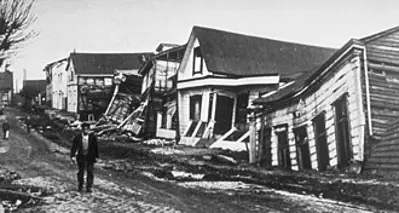
The Great Chilean earthquake, measuring 9.5 on the moment magnitude scale, hits southern Chile, becoming the most powerful earthquake ever recorded.
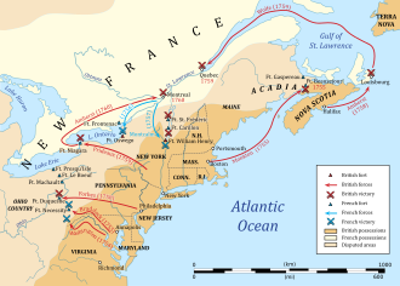
�nia militia under the 22-year-old Lieutenant colonel George Washington defeat a French reconnaissance party in the Battle of Jumonville Glen in what is now Fayette County in southwestern Pennsylvania.
Washington State Ferries, the largest ferry system in the United States, begins operation under state ownership after a buyout of the Puget Sound Navigation Company.
World War II: After a brief lull in the Battle of France, the Germans renew the offensive against the remaining French divisions south of the River Somme in Operation Fall Rot ("Case Red").
�Ethiopia defeat the Gojjame army in the Battle of Embabo. The Shewans capture Negus Tekle Haymanot of Gojjam, and their victory leads to a Shewan hegemony over the territories south of the Abay River.
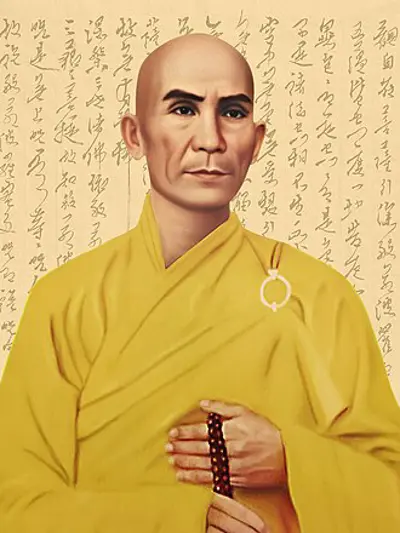
Buddhist monk Thích Quảng Đức burns himself with gasoline in a busy Saigon intersection to protest the lack of religious freedom in South Vietnam.
�ampaign: Battle of Cold Harbor: Ulysses S. Grant gives the Confederate forces under Robert E. Lee a victory when he pulls his Union troops from their position at Cold Harbor, Virginia and moves south.
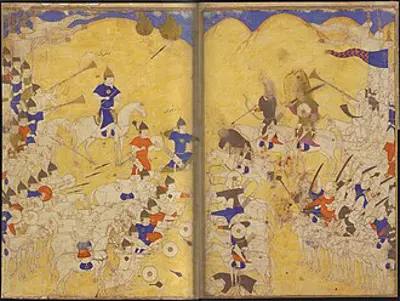
Tokhtamysh–Timur war: Battle of the Kondurcha River: Timur defeats Tokhtamysh of the Golden Horde in present-day southeast Russia.
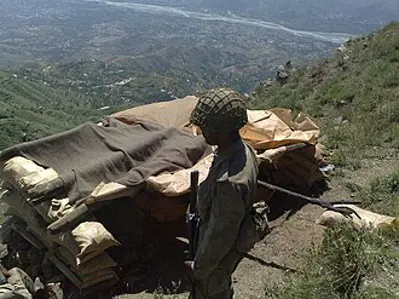
War in North-West Pakistan: The Pakistani Armed Forces open Operation Rah-e-Nijat against the Taliban and other Islamist rebels in the South Waziristan area of the Federally Administered Tribal Areas.
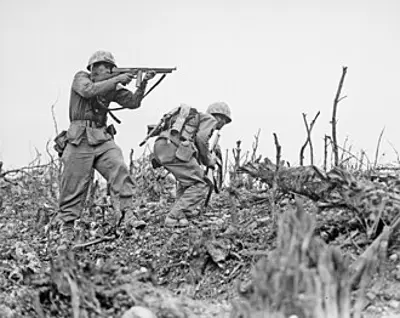
World War II: The Battle of Okinawa ends when the organized resistance of Imperial Japanese Army forces collapses in the Mabuni area on the southern tip of the main island.

A Washington D.C Metro train traveling southbound near Fort Totten station collides into another train waiting to enter the station. Nine people are killed in the collision (eight passengers and the t�
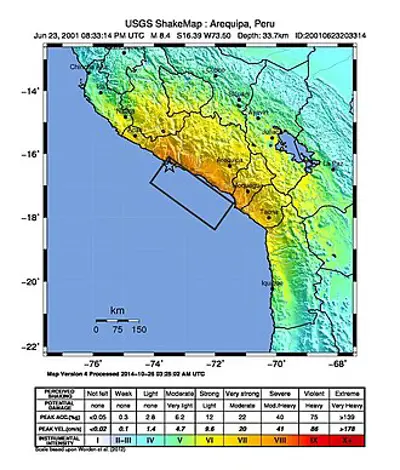
The 8.4 Mw southern Peru earthquake shakes coastal Peru with a maximum Mercalli intensity of VIII (Severe). A destructive tsunami followed, leaving at least 74 people dead, and 2,687 injured.