Vietnam War: Operation Frequent Wind: The U
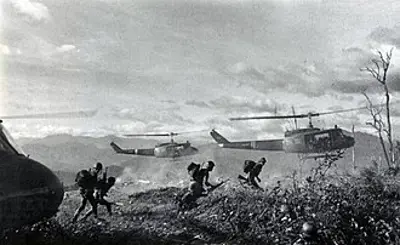
Vietnam War: Operation Frequent Wind: The U.S. begins to evacuate U.S. citizens from Saigon before an expected North Vietnamese takeover. U.S. involvement in the war comes to an end. This happens afte�
2966 results for “War of the First Coalition: Napoleon Bonaparte conquers Venice” — type: events (516 ms)
Vietnam War: Operation Frequent Wind: The U.S. begins to evacuate U.S. citizens from Saigon before an expected North Vietnamese takeover. U.S. involvement in the war comes to an end. This happens afte�
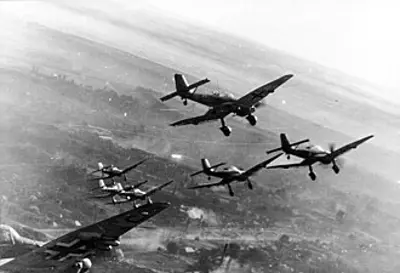
World War II: Following the coup d'état against Iraq Crown Prince 'Abd al-Ilah earlier that year, the United Kingdom launches the Anglo-Iraqi War to restore him to power.
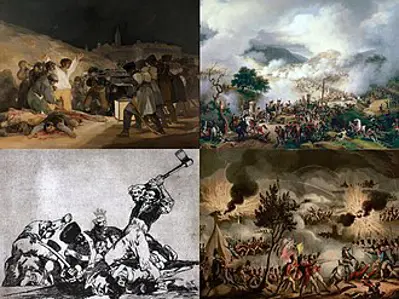
Neapolitan War: Joachim Murat, King of Naples, is defeated by the Austrians at the Battle of Tolentino, the decisive engagement of the war.
World War II: Gunners of the Ceylon Garrison Artillery on Horsburgh Island in the Cocos Islands rebel in the Cocos Islands Mutiny. Their mutiny is crushed and three of them are executed, the only Brit�
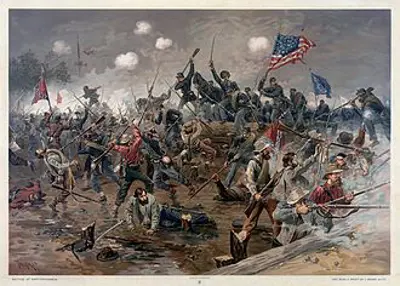
American Civil War: The Battle of Spotsylvania Court House: Union troops assault a Confederate salient known as the "Mule Shoe", with some of the fiercest fighting of the war, much of it hand-to-hand�
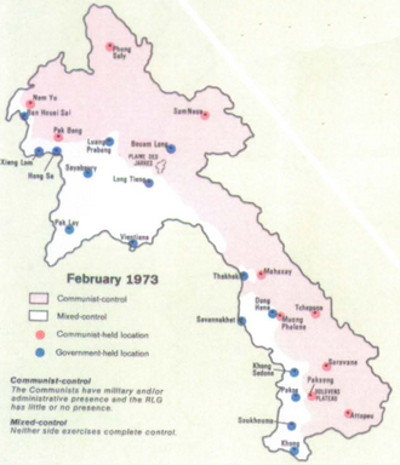
The United States government acknowledges the existence of the "Secret War" in Laos and dedicates the Laos Memorial in honor of Hmong and other "Secret War" veterans.
Peninsular War: The allies Spain, Portugal and United Kingdom fight an inconclusive battle against the French at the Albuera. It is, in proportion to the numbers involved, the bloodiest battle of the�
Memorial Day: The remains of two unidentified American servicemen, killed in action during World War II and the Korean War respectively, are buried at the Tomb of the Unknown Soldier in Arlington Nati�
World War I: Battle of Jutland: The British Grand Fleet engages the High Seas Fleet in the largest naval battle of the war, which proves indecisive.
War of 1812: U.S. President James Madison asks the Congress to declare war on the United Kingdom.
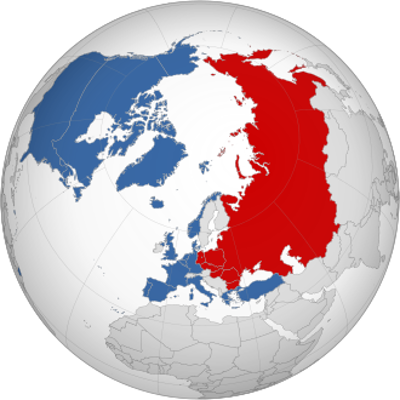
Cold War: Marshall Plan: In a speech at Harvard University, the United States Secretary of State George Marshall calls for economic aid to war-torn Europe.
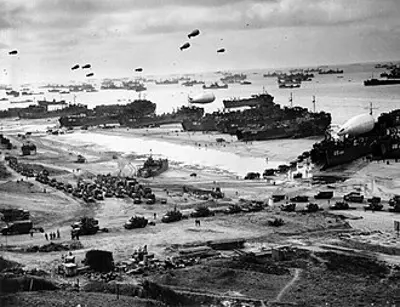
World War II: Battle of Normandy: At Ardenne Abbey, members of the SS Division Hitlerjugend massacre 23 Canadian prisoners of war.
Vietnam War: The Viet Cong commences combat with the Army of the Republic of Vietnam in the Battle of Đồng Xoài, one of the largest battles in the war.
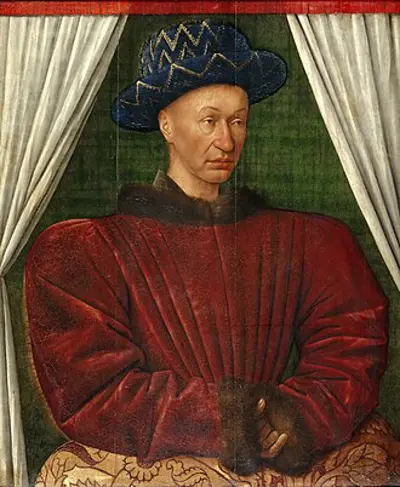
Charles VII's army defeats an English army under John Talbot at the Battle of Patay during the Hundred Years' War. The English lost 2,200 men, over half their army, crippling their efforts during this�
War of 1812: Great Britain revokes the restrictions on American commerce, thus eliminating one of the chief reasons for going to war.
The treaty of Adrianople ends the Russo-Ottoman War of 1711–1713, which restores territory to the Ottomans while allowing the Russians to focus on their war against the Swedes.
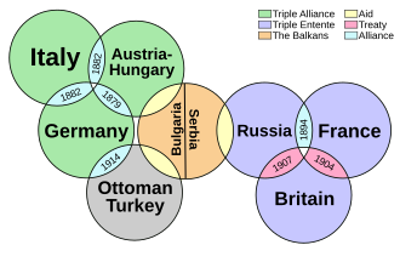
Causes of World War I: Archduke Franz Ferdinand of Austria and his wife Sophie are assassinated in Sarajevo, beginning the July Crisis and providing the casus belli of World War I.
War of the Pacific: Chileans led by Alejandro Gorostiaga defeat Andrés Avelino Cáceres's Peruvian army at the Battle of Huamachuco, hastening the end of the war.
Spanish Civil War: An Armed Forces rebellion against the recently elected leftist Popular Front government of Spain starts the civil war.
Japan completes its last reparation to the Philippines for war crimes committed during imperial Japan's conquest of the country in the Second World War.