1817
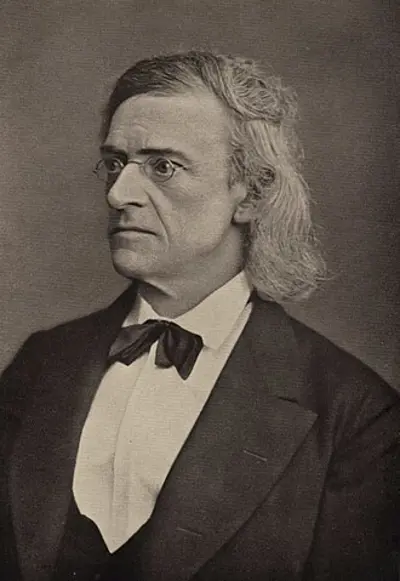
Theodor Mommsen, German jurist, historian, and scholar, Nobel Prize laureate (died 1903)
Theodor Mommsen, German jurist, historian, and scholar, Nobel Prize laureate (died 1903)
4339 results for “Rüdiger Stenzel, German runner” (307 ms)
Theodor Mommsen, German jurist, historian, and scholar, Nobel Prize laureate (died 1903)
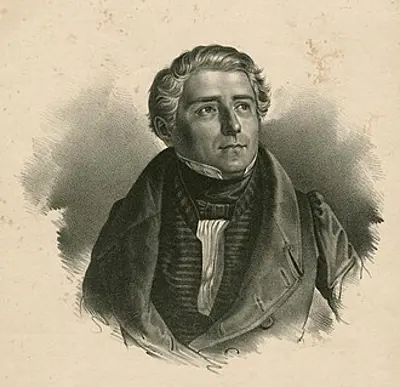
Carl Loewe, German singer, composer, and conductor (died 1869)
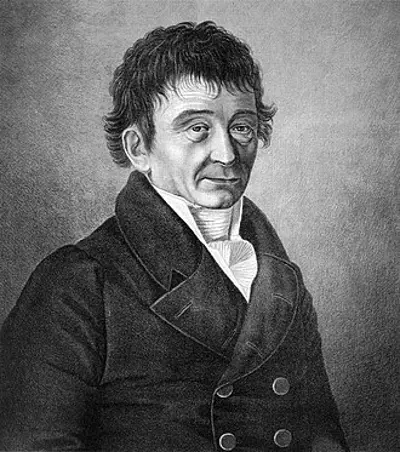
Ernst Chladni, German physicist and author (died 1827)
Andreas Werckmeister, German organist, composer, and theorist (died 1706)
Til Kiwe, German actor and screenwriter (born 1910)
Fritz Eichenberg, German-American illustrator and arts educator (born 1901)
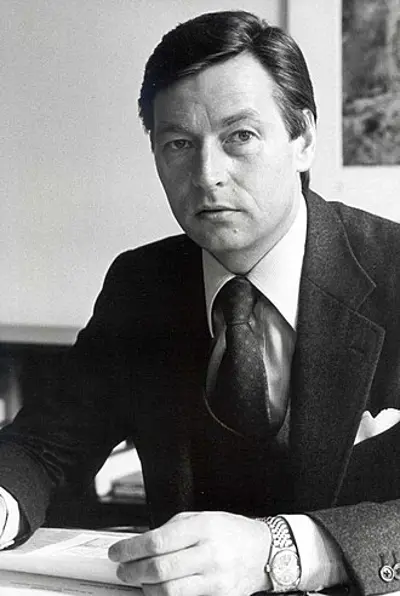
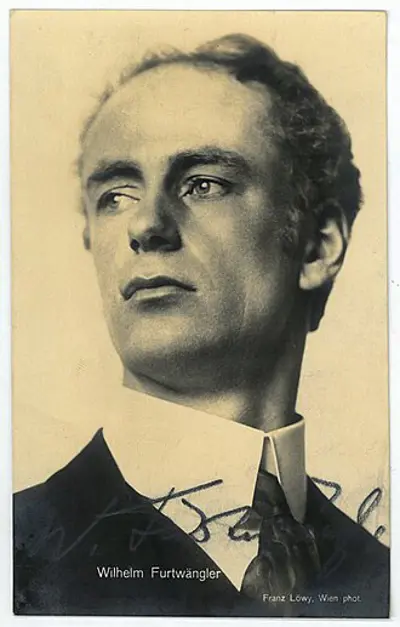
Wilhelm Furtwängler, German conductor and composer (born 1886)
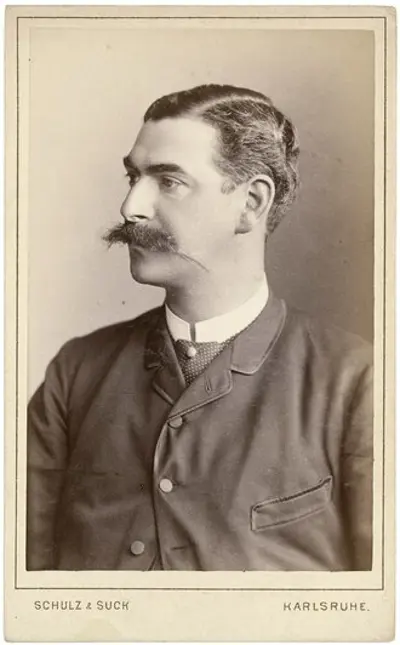

Friederike Caroline Neuber, German actress (born 1697)
Lucius D. Clay, American officer and military governor in occupied Germany (born 1898)

The Operation Big Bang, the largest non-nuclear man-made explosion to that time, destroys bunkers and military installations on the North Sea island of Heligoland, Germany.
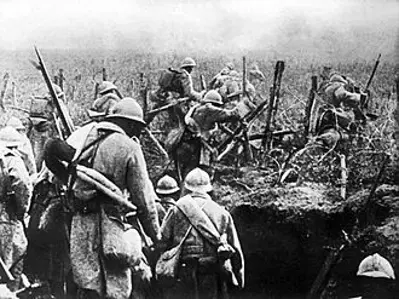
World War I: Hit by ground fire, French aviation pioneer Roland Garros (pictured) landed his aircraft behind enemy lines and was taken prisoner by German forces.
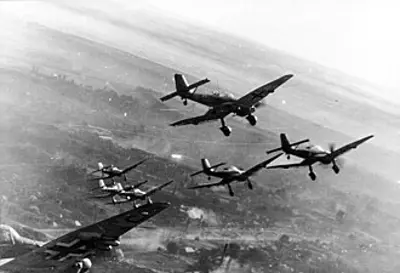
World War II: U.S. troops capture Leipzig, Germany, only to later cede the city to the Soviet Union.

�ler's designated successor, Hermann Göring, sends him a telegram asking permission to take leadership of Nazi Germany. Martin Bormann and Joseph Goebbels advise Göring that the telegram is treasonous.

The Treaty of Berlin is signed. Germany and the Soviet Union each pledge neutrality in the event of an attack on the other by a third party for the next five years.
World War I: First tank-to-tank combat, during the second Battle of Villers-Bretonneux. Three British Mark IVs meet three German A7Vs.

The Franck–Hertz experiment, the first electrical measurement to clearly demonstrate quantum mechanics, was presented to the German Physical Society.
World War II: United States and Soviet reconnaissance troops meet in Torgau and Strehla along the River Elbe, cutting the Wehrmacht of Nazi Germany in two. This would be later known as Elbe Day.

World War II: Liberation Day (Italy): The National Liberation Committee for Northern Italy calls for a general uprising against the German occupation and the Italian Social Republic.