
2002
NATO invites Bulgaria, Estonia, Latvia, Lithuania, Romania, Slovakia and Slovenia to become members.
NATO invites Bulgaria, Estonia, Latvia, Lithuania, Romania, Slovakia and Slovenia to become members.
472 results for “Numerian, Roman emperor” — type: events (181 ms)
NATO invites Bulgaria, Estonia, Latvia, Lithuania, Romania, Slovakia and Slovenia to become members.
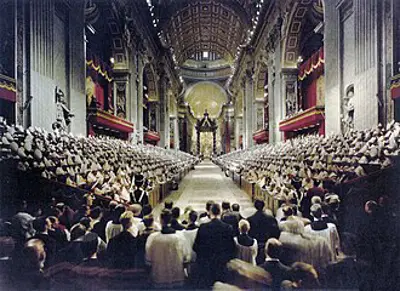
Second Vatican Council: The third session of the Roman Catholic Church's ecumenical council closes.

World War II: Romania becomes a signatory of the Tripartite Pact, officially joining the Axis powers.

The Avdhela Project, an Aromanian digital library and cultural initiative, is founded in Bucharest, Romania.

Românul de la Pind, the longest-running newspaper by and about Aromanians prior to World War II, ceases its publications.

Boris Yeltsin's funeral: The first to be sanctioned by the Russian Orthodox Church for a head of state since the funeral of Emperor Alexander III in 1894.
A week after being arrested by the Prussian Secret Police, French police inspector Guillaume Schnaebelé is released on order of William I, German Emperor, defusing a possible war.
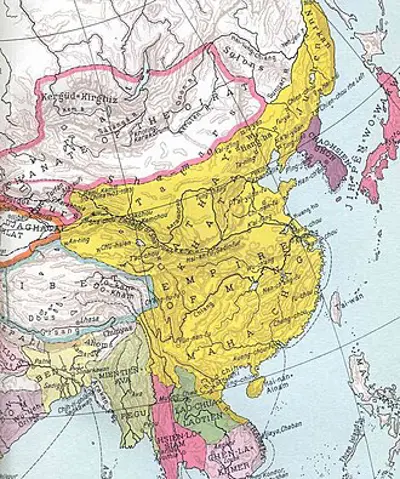
�Anhua rebellion begins when Zhu Zhifan kills all the officials invited to a banquet and declares his intent on ousting the powerful Ming dynasty eunuch Liu Jin during the reign of the Zhengde Emperor.
Empress Ariadne marries Anastasius I. The widowed Augusta is able to choose her successor for the Byzantine throne, after Zeno (late emperor) dies of dysentery.
As the Treaty of Saigon is signed, ceding parts of southern Vietnam to France, the guerrilla leader Trương Định decides to defy Emperor Tự Đức of Vietnam and fight on against the Europeans.
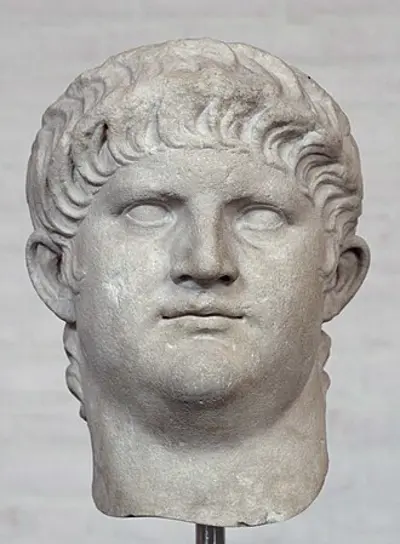
Nero dies by suicide after quoting Vergil's Aeneid, thus ending the Julio-Claudian dynasty and starting the civil war known as the Year of the Four Emperors.
�and educational institutions in China, is started by the Guangxu Emperor, but is suspended by Empress Dowager Cixi after 104 days. (The failed reform led to the abolition of the Imperial examination�
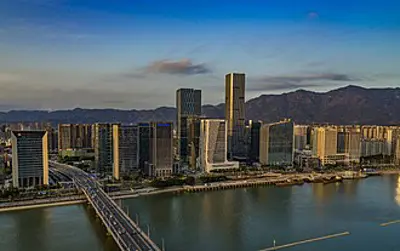
While in exile in Fuzhou, away from the advancing Mongol invaders, the remnants of the Song dynasty court hold the coronation ceremony for Emperor Duanzong.
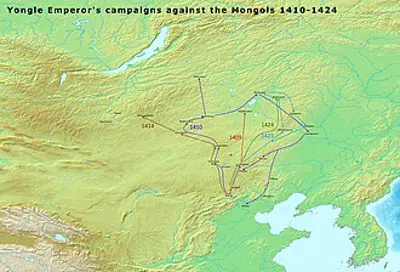
In a decisive battle at Onon River, the Mongol forces of Oljei Temur were decimated by the Chinese armies of the Yongle Emperor.
Mumtaz Mahal dies during childbirth. Her husband, Mughal emperor Shah Jahan I, will spend the next 17 years building her mausoleum, the Taj Mahal.
Battle of Versinikia: The Bulgars led by Krum defeat the Byzantine army near Edirne. Emperor Michael I is forced to abdicate in favor of Leo V the Armenian.
Lê Văn Khôi along with 27 soldiers stage a mutiny taking over the Phiên An citadel, developing into the Lê Văn Khôi revolt against Emperor Minh Mạng.
Ming China's Admiral Zheng He returns to Nanjing after the third treasure voyage and presents the Sinhalese king, captured during the Ming–Kotte War, to the Yongle Emperor.
Battle of Firenzuola: Lombard forces under King Rudolph II and Adalbert I, margrave of Ivrea, defeat the dethroned Emperor Berengar I of Italy at Firenzuola (Tuscany).
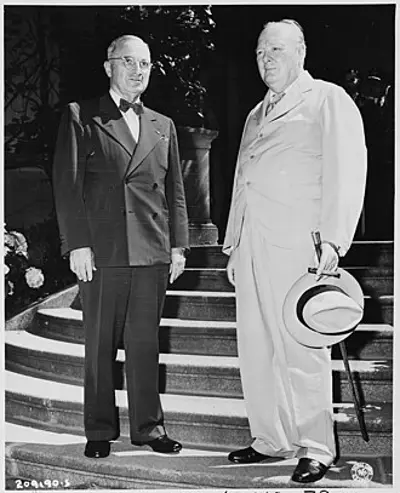
�a message had been sent to the Allies accepting the terms of the Potsdam Declaration provided that it "does not comprise any demand that prejudices the prerogatives of the Emperor as sovereign ruler."