
1885
Serbo-Bulgarian War: The decisive Battle of Slivnitsa begins.
Serbo-Bulgarian War: The decisive Battle of Slivnitsa begins.
5771 results for “Alfonso II d'Este” — type: events (1343 ms)
Serbo-Bulgarian War: The decisive Battle of Slivnitsa begins.
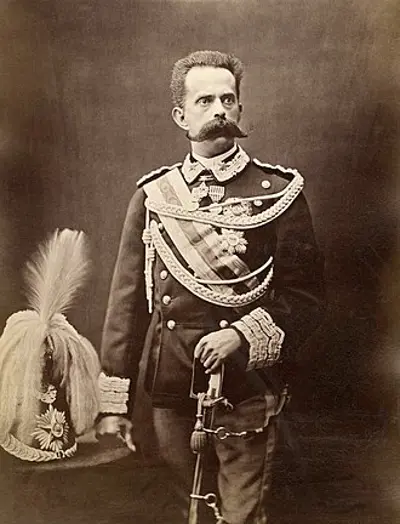
First assassination attempt against Umberto I of Italy by anarchist Giovanni Passannante, who was armed with a dagger. The King survived with a slight wound in an arm. Prime Minister Benedetto Cairol�

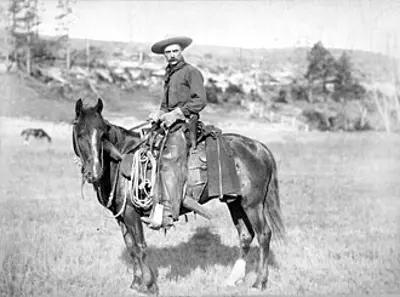
American Old West: On the Sonoita River in present-day southern Arizona, the United States Army establishes Fort Buchanan in order to help control new land acquired in the Gadsden Purchase.
An earthquake in Valdivia, south-central Chile, causes a tsunami that leads to significant destruction along Japan's coast.

Sweden declares war on its ally the United Kingdom to begin the Anglo-Swedish War, although no fighting ever takes place.

French Revolutionary Wars: Battle of the Bridge of Arcole: French forces defeat the Austrians in Italy.
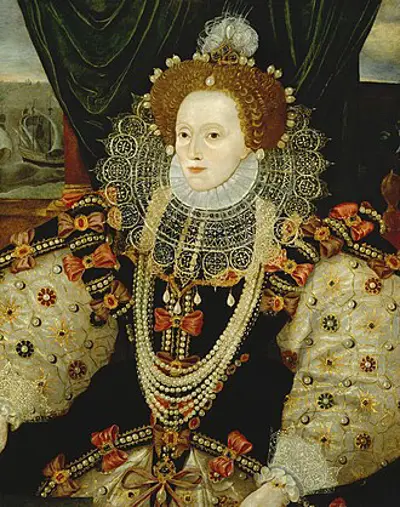
Elizabethan era begins: Queen Mary I of England dies and is succeeded by her half-sister Elizabeth I.

The Utah monolith, built sometime in 2016 is discovered by state biologists of the Utah Division of Wildlife Resources.

Iraq disarmament crisis: United Nations weapons inspectors led by Hans Blix arrive in Iraq.

After an 87-day siege, the Croatian city of Vukovar capitulates to the besieging Yugoslav People's Army and allied Serb paramilitary forces.

King's Cross fire: In London, 31 people die in a fire at the city's busiest underground station, King's Cross St Pancras.

The McDonnell Douglas F/A-18 Hornet makes its first flight, at the Naval Air Test Center in Maryland, United States.

Oman declares its independence from the United Kingdom.

The Ballantyne's Department Store fire in Christchurch, New Zealand, kills 41; it is the worst fire disaster in the history of New Zealand.

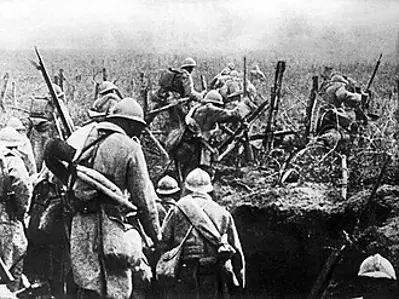
World War I: First Battle of the Somme: In France, British Expeditionary Force commander Douglas Haig calls off the battle which started on July 1, 1916.
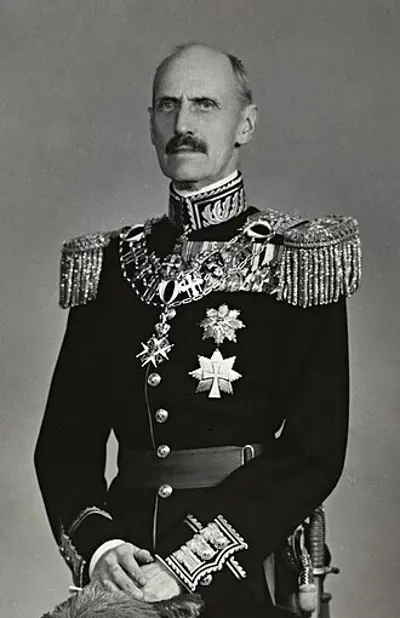
Prince Carl of Denmark becomes King Haakon VII of Norway.
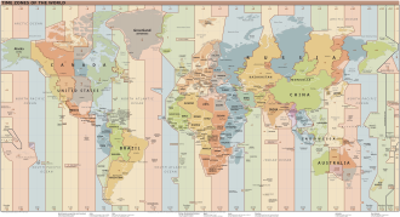
In the "day of two noons", American and Canadian railroad companies institute four standard continental time zones, ending the confusion of thousands of local times.