
1210
The Castle of Termes falls to Simon de Montfort after a four-month siege during the Albigensian Crusade.
The Castle of Termes falls to Simon de Montfort after a four-month siege during the Albigensian Crusade.
5723 results for “Robert D. Keppel” — type: events (1137 ms)
The Castle of Termes falls to Simon de Montfort after a four-month siege during the Albigensian Crusade.
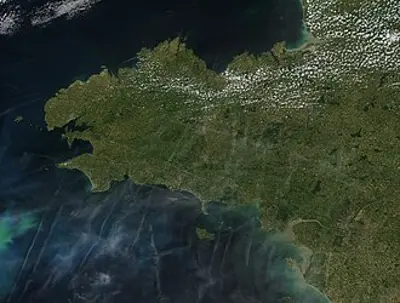
The first duke of Brittany, Nominoe, defeats the Frankish king Charles the Bald at the Battle of Ballon near Redon.
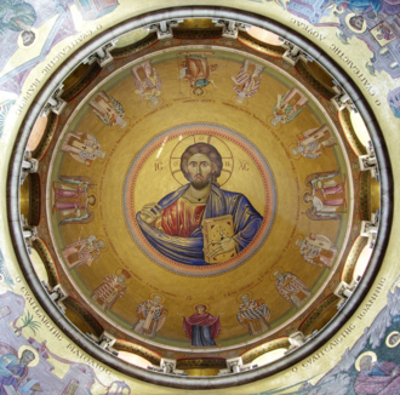
During the Three-Chapter Controversy, Pope Vigilius is abducted on order of emperor Justinian I in order to force him to agree with Byzantine imperial religious policy.
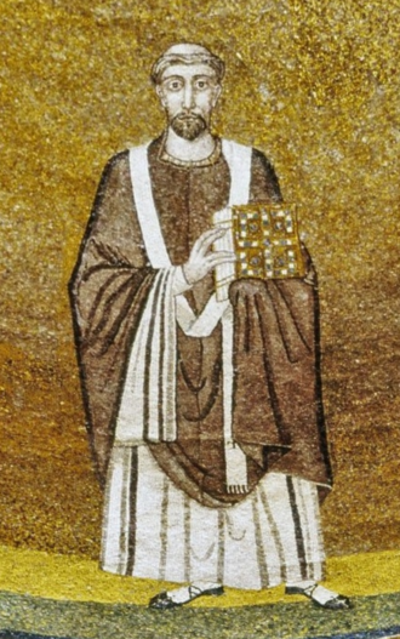
After the death of Anastasius II, Symmachus is elected Pope in the Lateran Palace, while Laurentius is elected Pope in Santa Maria Maggiore.

The last Sumatran rhinoceros in Malaysia, Imam, dies, making the species officially extinct in the country.

Founders of Italian fashion brand Dolce & Gabbana issue an apology following a series of offensive advertisements on social media promoting a fashion show in Shanghai, China, which was canceled.

Arab Spring: After 11 months of protests in Yemen, Yemeni president Ali Abdullah Saleh signs a deal to transfer power to the vice president, in exchange for legal immunity.

A series of bombings kills at least 215 people and injures 257 others in Sadr City, making it the second deadliest sectarian attack since the beginning of the Iraq War in 2003.

Queen lead singer Freddie Mercury announces in a statement that he is HIV-positive. He dies the following day.
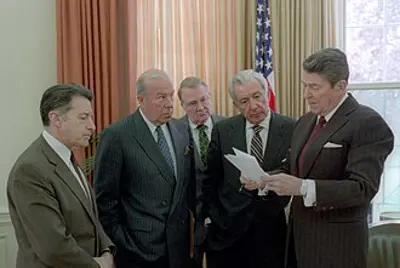
Iran–Contra affair: Ronald Reagan signs the top secret National Security Decision Directive 17 (NSDD-17), giving the Central Intelligence Agency the authority to recruit and support Contra rebels in �
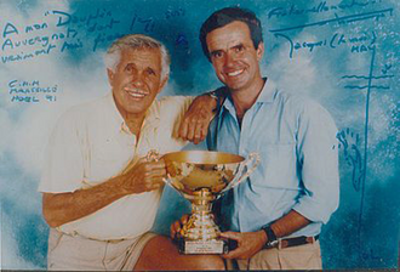
Jacques Mayol is the first man to reach a depth of 100 m (330 ft) undersea without breathing equipment.

The first episode of Doctor Who ("An Unearthly Child") is broadcast by the BBC, which is now the world's longest running science fiction drama.
French President Charles de Gaulle declares in a speech in Strasbourg his vision for "Europe, from the Atlantic to the Urals".
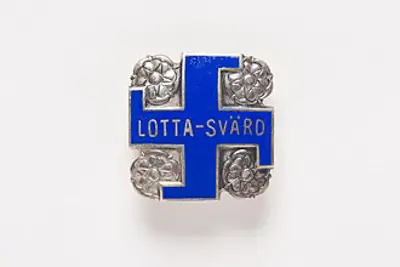
World War II: The Lotta Svärd Movement is disbanded under the terms of the armistice treaty in Finland after the Continuation War.

World War II: The Deutsche Opernhaus on Bismarckstraße in the Berlin neighborhood of Charlottenburg is destroyed. It will eventually be rebuilt in 1961 and be called the Deutsche Oper Berlin.
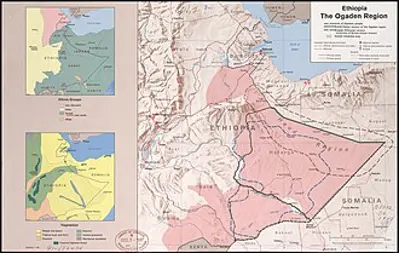
An Anglo-Ethiopian boundary commission in the Ogaden discovers an Italian garrison at Walwal, well within Ethiopian territory. This leads to the Abyssinia Crisis.
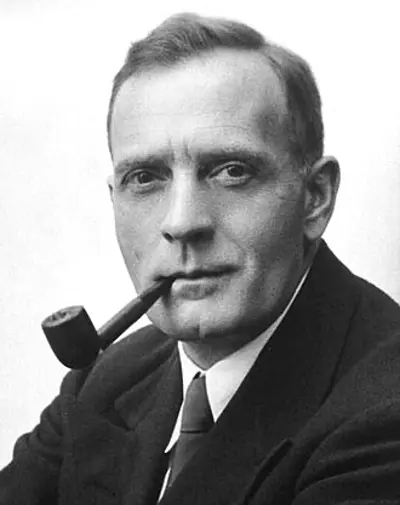
Edwin Hubble's discovery, that the Andromeda "nebula" is actually another island galaxy far outside our own Milky Way, is first published in The New York Times.
Thousands of Irish Republicans end the 1923 Irish hunger strikes, five die from starvation.
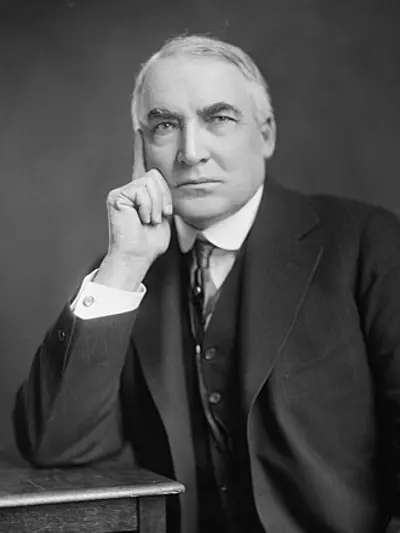
Warren G. Harding, 29th President of the United States, signs the Willis–Campbell Act into law, prohibiting doctors from prescribing beer or liquor for medicinal purposes.
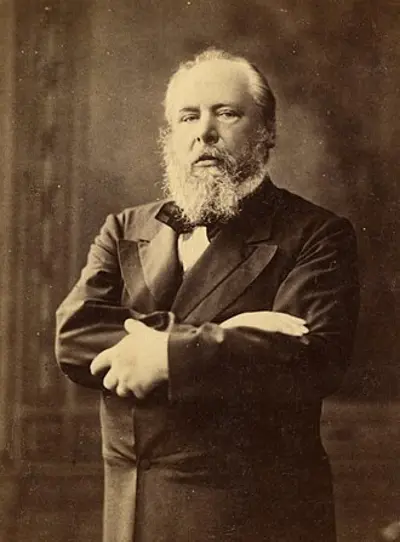
King William III of the Netherlands dies without a male heir and a special law is passed to allow his daughter Princess Wilhelmina to succeed him.