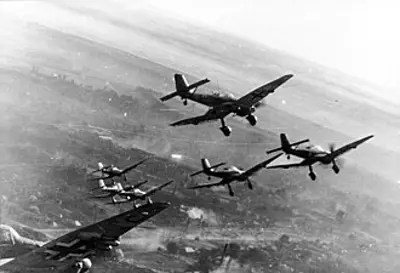
World War II: Finland, the Soviet Union, and the United Kingdom signed the Moscow Armistice to end the Continuation War.
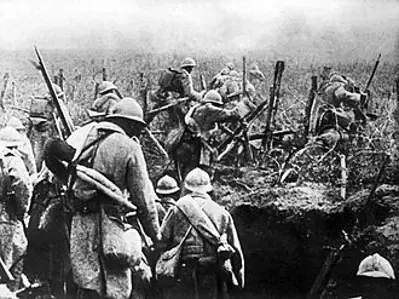
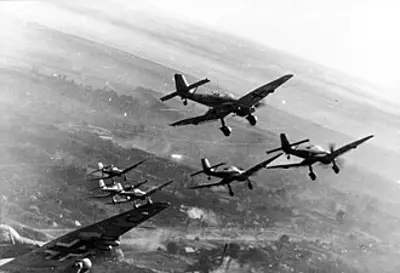
914 results for “The first African FIFA World Cup kicks off in South Africa” — type: selected (441 ms)
World War II: Finland, the Soviet Union, and the United Kingdom signed the Moscow Armistice to end the Continuation War.
World War II: Polish resistance leader Witold Pilecki allowed himself to be captured by German forces and sent to Auschwitz to gather intelligence.
Second World War: Allied forces captured San Marino from the German Army.
World War II: Australian troops led by Gordon Grimsley King defeated Imperial Japanese forces at the Battle of Kaiapit in New Guinea.
The ocean liner RMS Mauretania, the largest and fastest ship in the world at the time, was launched in Tyneside, England.
World War I: The Supreme War Command was established to oversee the armed forces of all the Central Powers.
World War II: Nazi forces began a mass extermination campaign against the civilian residents of around 20 villages on the Greek island of Crete, eventually killing more than 500 men.
Second World War: The German Army began the Massacre of the Acqui Division on the Greek island of Cephalonia, executing 5,155 Italian soldiers in the next five days.
World War I: The Battle of Nazareth ended with the British Empire victorious over the Ottomans.
Second World War: British troops began their withdrawal from the Battle of Arnhem in the Netherlands, ending the Allies' Operation Market Garden in defeat.
World War II: The Soviet Red Army completed the Tallinn offensive, driving German forces out of Estonia.
World War I: The Battle of Polygon Wood, part of the Battle of Passchendaele, began near Ypres, Belgium.
World War II: Nazi Germany, Fascist Italy and the Empire of Japan signed the Tripartite Pact in Berlin, officially forming a military alliance known as the Axis.
World War II: American and Australian forces landed on the Japanese-occupied island of Morotai.
The U.S. Navy submarine Triton completed the first submerged circumnavigation of the world.
Falklands War: HMS Sheffield was struck by an Exocet missile, killing 20 sailors and leading to its sinking six days later—the first Royal Navy ship sunk in action since World War II.
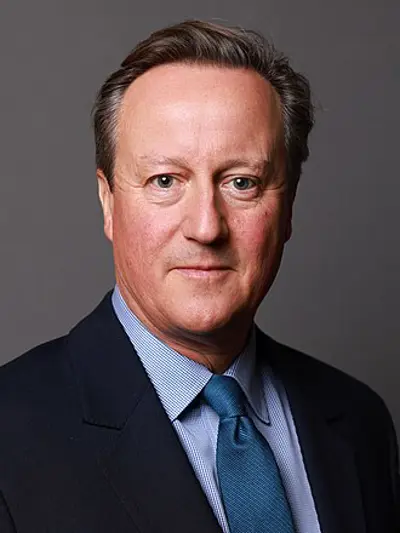
David Cameron took office as Prime Minister of the United Kingdom as the Conservatives and Liberal Democrats formed the country's first coalition government since the Second World War.
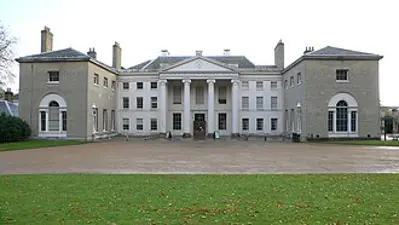
Around 2,000 members of European society attended a ball at Kenwood House, England, in one of the last major social events before the outbreak of the First World War.
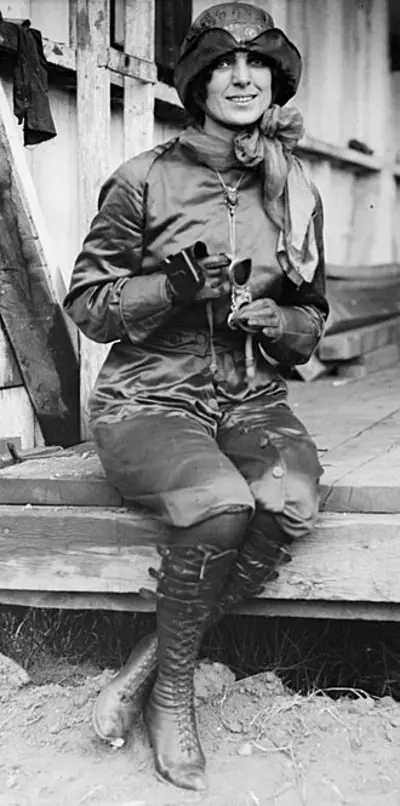
American pilot Harriet Quimby (pictured) became the first woman to fly across the English Channel.
NASA announced the discovery of Kepler-186f, the first exoplanet with a radius similar to Earth's discovered in the habitable zone of another star.