
978
Franco-German war of 978–980: Holy Roman Emperor Otto II lifts the siege of Paris and withdraws.
Franco-German war of 978–980: Holy Roman Emperor Otto II lifts the siege of Paris and withdraws.
5617 results for “William R. Moses” — type: events (1503 ms)
Franco-German war of 978–980: Holy Roman Emperor Otto II lifts the siege of Paris and withdraws.
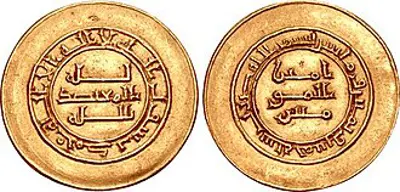
Abu al Abbas celebrates a victory parade in Bagdhad following the suppression of the Zanj Rebellion, the largest slave revolt in the Arab world.
The U.S. Supreme Court rules in the Baze v. Rees decision that execution by lethal injection does not violate the Eighth Amendment ban against cruel and unusual punishment.
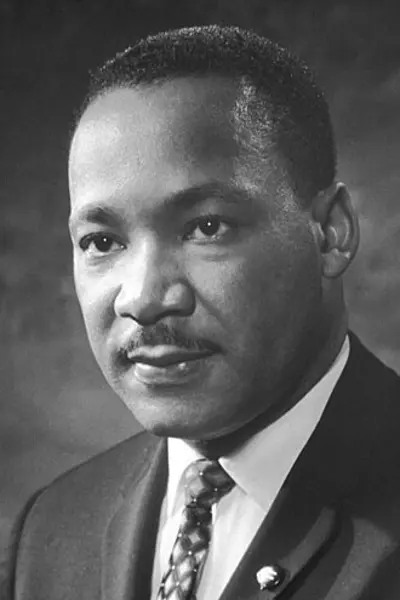
U.S. civil rights campaigner Dr. Martin Luther King Jr. writes his open letter from Birmingham Jail, sometimes known as "The Negro Is Your Brother", while incarcerated in Birmingham, Alabama, for prot�
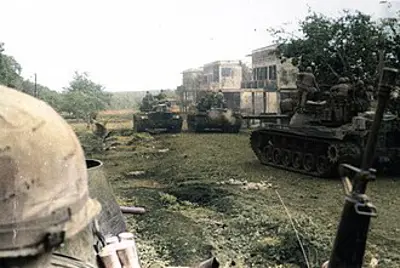
The Cambodian Civil War ends and the Cambodian Genocide begins. The Khmer Rouge captures the capital Phnom Penh and Cambodian government forces surrender.
Forces of the Communist-controlled Greek People's Liberation Army attack the smaller National and Social Liberation resistance group, which surrenders. Its leader Dimitrios Psarros is murdered.
The Supreme Court of the United States decides Lochner v. New York, which holds that the "right to free contract" is implicit in the due process clause of the Fourteenth Amendment to the United State�
The Treaty of Shimonoseki between China and Japan is signed. This marks the end of the First Sino-Japanese War, and the defeated Qing Empire is forced to renounce its claims on Korea and to concede t�
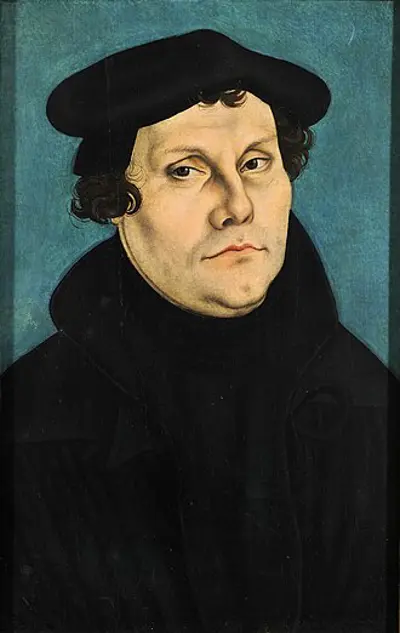
Trial of Martin Luther over his teachings begins during the assembly of the Diet of Worms. Initially intimidated, he asks for time to reflect before answering and is given a stay of one day.

The Republic of Zimbabwe (formerly Rhodesia) comes into being, with Canaan Banana as the country's first President. The Zimbabwean dollar replaces the Rhodesian dollar as the official currency.
Three-Fifths Compromise: The first instance of black slaves in the United States of America being counted as three-fifths of persons (for the purpose of taxation), in a resolution of the Congress of �
American Revolution: The British Army advances up the Charles River in Massachusetts to destroy supplies of American militias, while Paul Revere and other riders rapidly warn the countryside.
Trial of Martin Luther begins its second day during the assembly of the Diet of Worms. He refuses to recant his teachings despite the risk of excommunication.
Peace of Ferrara between Republic of Venice, Duchy of Milan, Republic of Florence and House of Gonzaga: ending of the second campaign of the Wars in Lombardy fought until the Treaty of Lodi in 1454, �

Students in South Korea hold a nationwide pro-democracy protest against president Syngman Rhee, eventually forcing him to resign.

World War II: In German-occupied Poland, the Warsaw Ghetto Uprising begins, after German troops enter the Warsaw Ghetto to round up the remaining Jews.
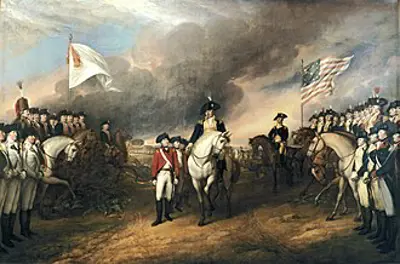
American Revolutionary War: The war begins during the Battles of Lexington and Concord with a victory of American minutemen and other militia over British forces, later referred to as the "shot heard�
Following the attempt of Byzantine Emperor Michael V Kalaphates to depose his wife and empress Zoe Porphyrogenita, a popular uprising in Constantinople breaks out with the intention to restore her.

Ten people are killed in a bomb attack on a convoy carrying food supplies to a United Nations compound in Garowe in the Somali region of Puntland.